In industrial environments, even minor machine imbalance can lead to serious operational problems over time. Heavy duty levelling pads play a critical role in ensuring that machinery remains stable, properly aligned, and isolated from harmful vibrations. Rather than being a basic accessory, these components directly influence machine accuracy, performance consistency, and long-term reliability.
Choosing the right Heavy Duty Levelling Pads Manufacturer India helps industries achieve better operational control while minimizing wear and maintenance issues.
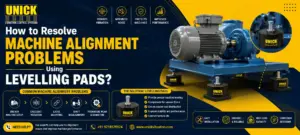
How Heavy Duty Levelling Pads Improve Machine Precision
In industrial terms, precision refers to a machine’s ability to repeatedly perform operations with consistent accuracy and minimal deviation. When a machine is not properly levelled, uneven weight distribution causes micro-movements during operation. These small shifts reduce precision by affecting tool alignment, output consistency, and calibration stability.
Heavy duty levelling pads correct floor irregularities and evenly distribute machine load. This stable foundation ensures that machines maintain their calibrated position, resulting in precise, repeatable performance—especially important in CNC machining, printing, and automated production systems.
Common Problems Caused by Poor Machine Levelling
Improper levelling can introduce multiple operational issues that often go unnoticed until damage occurs. Some common problems include:
- Excessive vibration leading to faster component wear
- Increased noise levels in production areas
- Reduced product quality due to inconsistent machine output
- Cracks or damage to factory flooring
- Frequent machine re-alignment and downtime
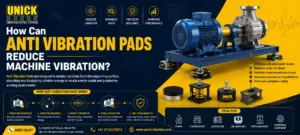
These issues highlight why industries increasingly rely on Industrial Anti Vibration Levelling Pads to isolate machinery from structural vibrations and maintain operational balance.
Engineering Design Behind Anti Vibration Levelling Pads
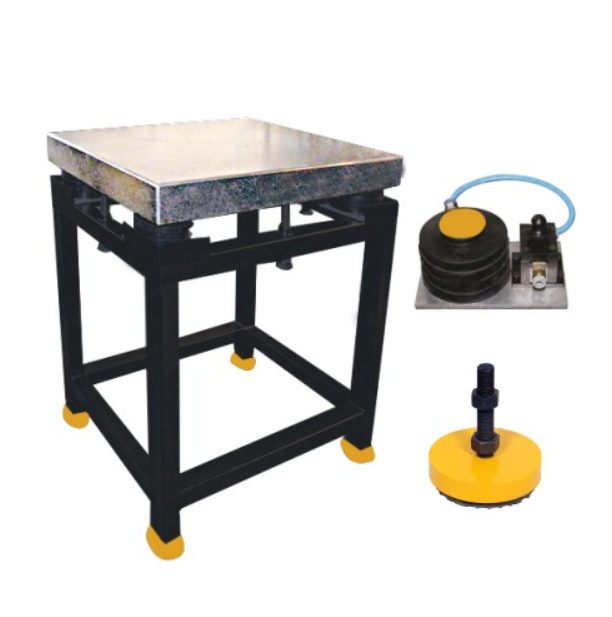
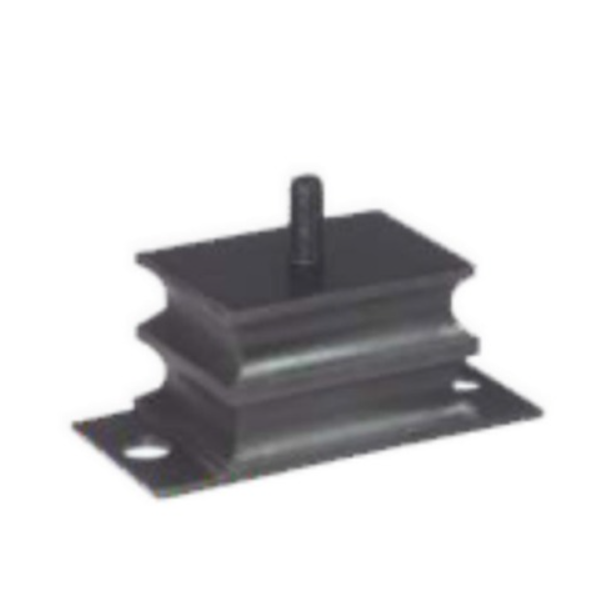
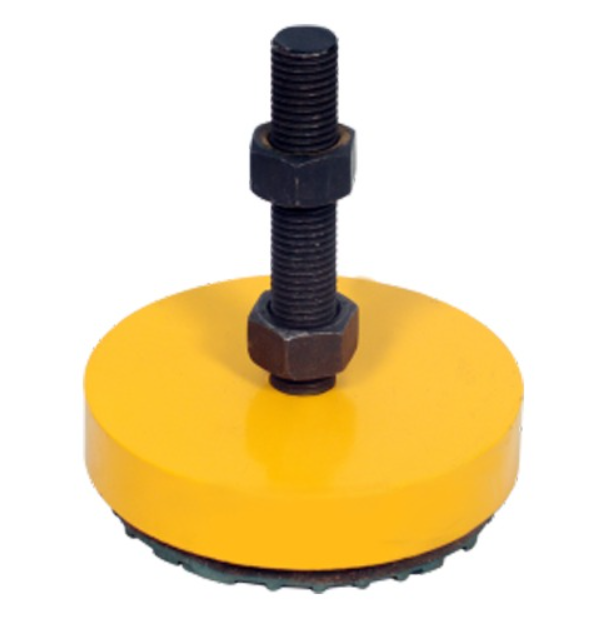
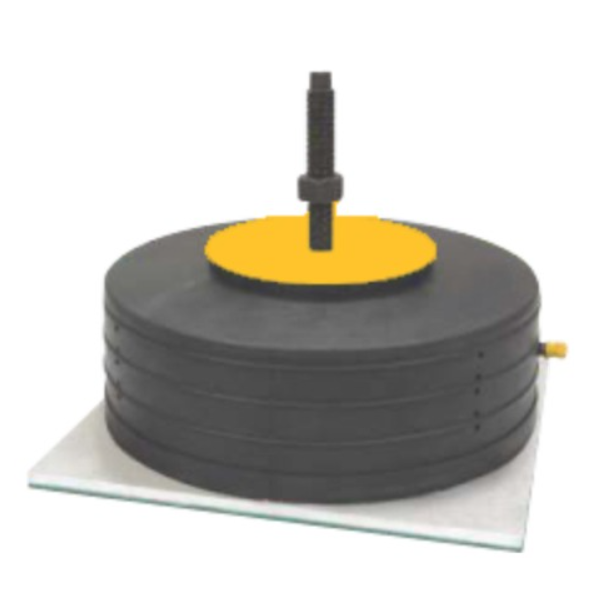
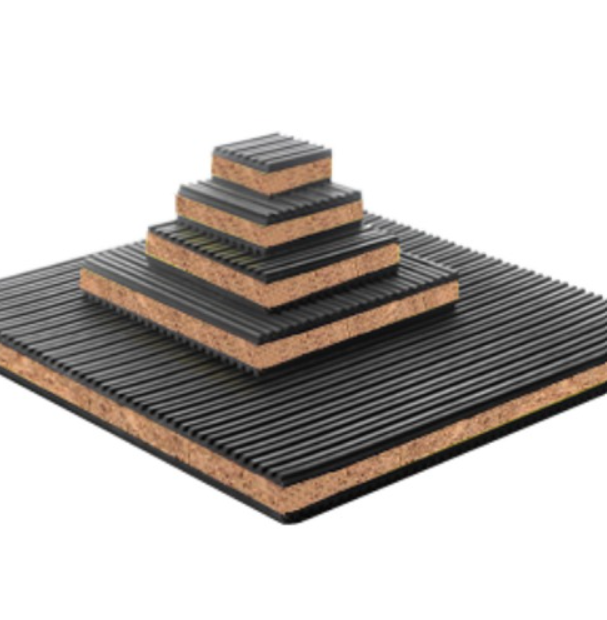
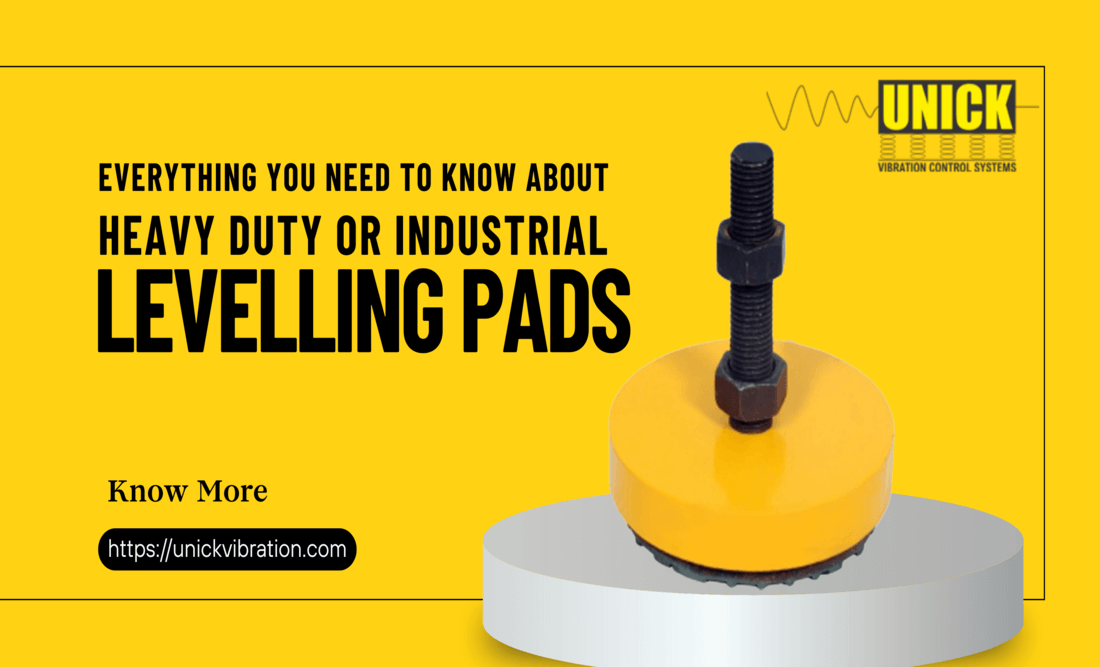
The performance of levelling pads depends largely on their engineering design. A well-designed pad typically consists of a high-strength steel threaded stud combined with a vibration-damping base made from rubber or elastomeric compounds.
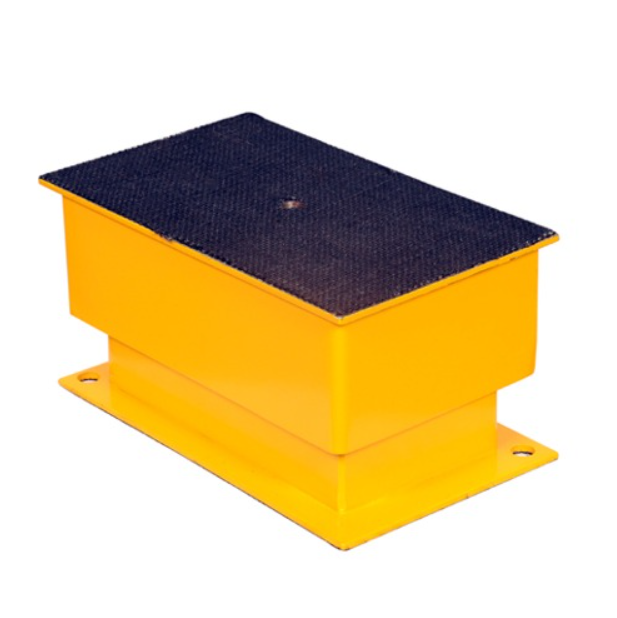
The vibration-absorbing base works by converting mechanical energy into heat, reducing the amount of vibration transmitted to the floor. At the same time, the rigid metal components ensure load stability. A reliable anti vibration levelling pads manufacturer focuses on optimizing this balance between flexibility and strength to achieve effective vibration isolation.
Selecting the Right Levelling Pad for Heavy Machinery
Not all levelling pads are suitable for every machine. Selection should be based on factors such as machine weight, dynamic load during operation, floor condition, and environmental exposure. Using a pad with insufficient load capacity can reduce vibration absorption and compromise stability.
A trusted Levelling Pad Manufacturer in India typically provides technical specifications and load charts to help industries select the correct pad type. This ensures optimal performance without overstressing the levelling system.
Installation and Load Considerations for Industrial Levelling Pads
Proper installation is essential to achieve the full benefits of levelling pads. Pads should be positioned at manufacturer-recommended load points, and the machine should be gradually adjusted to ensure even weight distribution.
Maintaining an appropriate safety margin—usually operating below the maximum rated load—helps extend the life of the pads and ensures consistent vibration control under continuous operation.
Long-Term Cost Benefits of Using Quality Levelling Pads
Although levelling pads may appear to be a small investment, their long-term impact is significant. Proper vibration control reduces mechanical stress, lowers maintenance costs, and minimizes unplanned downtime.
Manufacturers such as Unick Vibration focus on engineering solutions that support long-term machine stability, helping industries improve productivity while controlling operational costs.
Conclusion
Heavy duty levelling pads are essential components in modern industrial setups, supporting machine precision, vibration isolation, and structural protection. By understanding their engineering design, selection criteria, and installation requirements, industries can make informed decisions that enhance machine performance and operational efficiency.