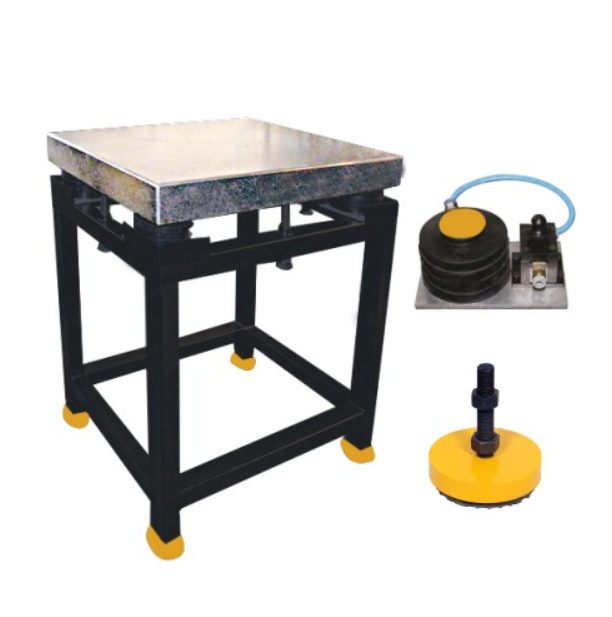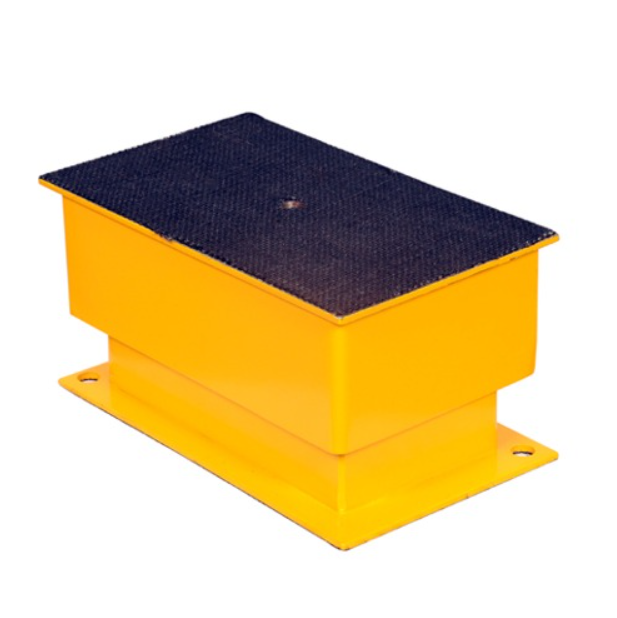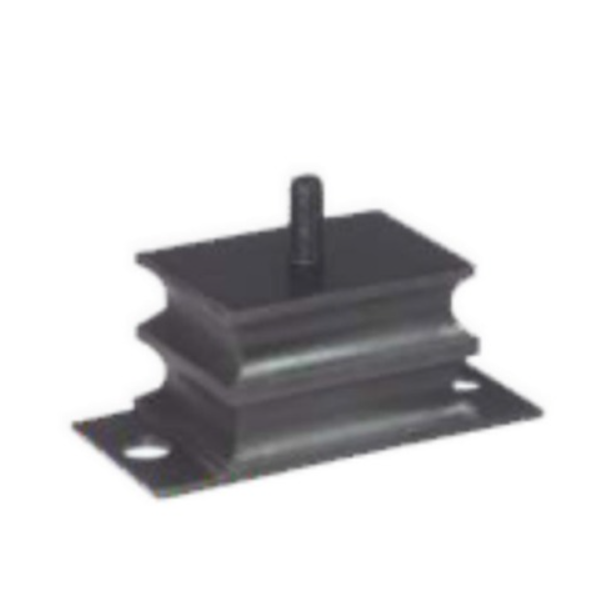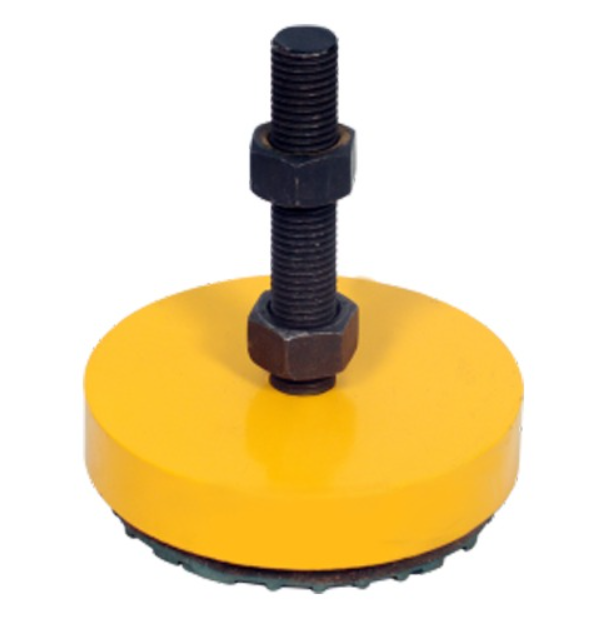
Anti Vibration Pads for Computerised Embroidery Machine
Computerised embroidery machines operate at high speeds and may generate continuous vibration during operation. Excessive machine vibration can affect machine stability, increase vibration transmission to the floor, create unwanted noise and impact the overall working environment.
Unick Vibration provides anti vibration pads for computerised embroidery machine designed to help isolate machine vibration and provide a stable interface between the machine and its supporting surface. The right anti-vibration solution can help improve machine stability, reduce transmitted vibration and support smoother machine operation.
Whether you operate a single-head, multi-head or other computerised embroidery machine, selecting the correct anti vibration pad depends on factors such as machine weight, load distribution, operating conditions, floor type and the required level of vibration isolation.
Why Do Computerised Embroidery Machines Need Anti Vibration Pads?
Computerised embroidery machines contain moving mechanical components that operate continuously during embroidery. At high operating speeds, dynamic forces can be transferred from the machine base to the floor.
If the machine is not properly isolated, vibration may be transmitted through the supporting surface and can affect machine stability.
Anti vibration pads provide an isolation layer between the machine and floor. Depending on the machine and operating conditions, they can help:
- Reduce vibration transmission
- Improve machine stability
- Minimize movement during operation
- Reduce vibration transferred to the floor
- Support consistent machine operation
- Reduce unwanted vibration-related noise
- Protect the machine’s supporting surface
The correct pad should always be selected according to the actual machine load and application rather than simply choosing a pad based on size.
Contact Us
Benefits of Anti Vibration Pads for Embroidery Machines
Reduce Machine Vibration
Anti vibration pads help isolate the machine from the supporting floor and reduce the transmission of mechanical vibration. This can be particularly useful for computerised embroidery machines operating for extended periods.
Improve Machine Stability
stable machine base is important for high-speed machinery. Properly selected anti vibration pads can help maintain a more stable connection between the machine and the floor.
Support Consistent Embroidery Operation
Excessive movement and vibration can negatively affect the operating environment of precision machinery. Vibration isolation helps provide a more stable foundation for the machine during continuous operation.
Reduce Vibration Transmission to the Floor
Machine vibration does not always remain within the machine. It can travel through the machine base and supporting structure. Anti vibration pads create an isolation layer that helps reduce this transmission.
Help Reduce Noise and Disturbance
Mechanical vibration can contribute to structure-borne noise. Appropriate vibration isolation may help reduce vibration-related disturbance in textile and embroidery machine working areas.
How Anti Vibration Pads Reduce Embroidery Machine Vibration
An anti vibration pad works by creating an isolation layer between the machine and its supporting surface. Instead of allowing mechanical forces to transfer directly from the machine base into the floor, the resilient pad helps absorb and isolate a portion of the vibration. The effectiveness of a vibration isolation solution depends on several factors, including:
- Machine weight
- Load carried by each support point
- Number of support points
- Machine operating conditions
- Type and intensity of vibration
- Floor or foundation condition
- Pad material and construction
- Pad dimensions
- Required isolation characteristics
For this reason, selecting an anti vibration pad based only on machine size may not provide the desired result. The actual machine load and application should be considered before selecting the appropriate solution.
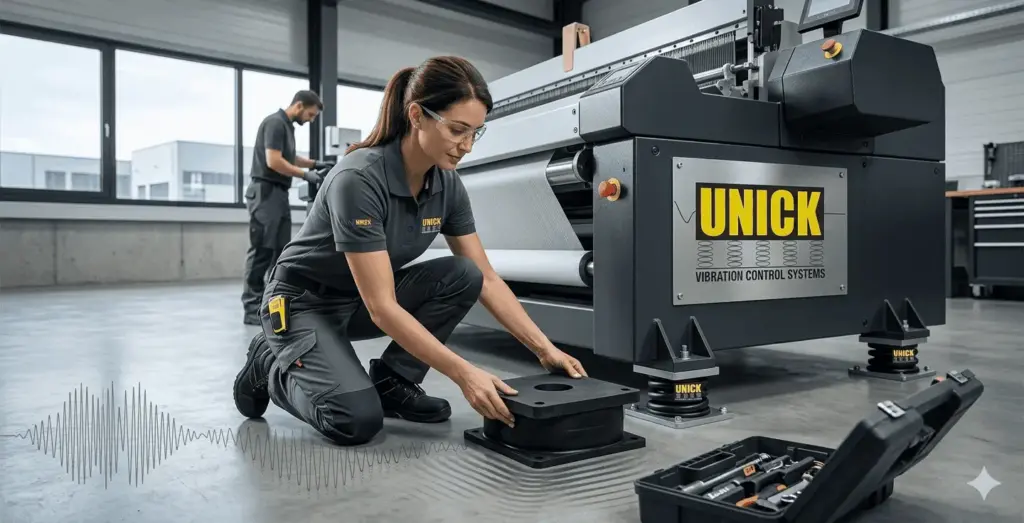
How to Choose the Right Anti Vibration Pads for Computerised Embroidery Machine
Choosing the right anti vibration pad requires more than simply selecting the largest or thickest pad.
Check the Machine Weight
The total weight of the embroidery machine is one of the most important factors when selecting an anti vibration solution.
Determine the Load per Support Point
The machine’s weight should be considered together with the number and position of its support points. This helps determine the load that each individual pad needs to carry.
Consider Operating Conditions
The operating speed, type of machine movement and working cycle can influence the vibration characteristics of the application.
Check the Floor Condition
Concrete, tiled, metal and other supporting surfaces may respond differently to transmitted vibration. The condition and levelness of the floor should therefore be considered.
Select the Appropriate Pad Material
Different materials and constructions provide different levels of resilience, load capacity and vibration isolation. The appropriate material should be selected according to the machine and operating requirements.
Consider Pad Size and Thickness
Pad dimensions should be selected according to the machine’s support arrangement and required load capacity.
Consider the Required Level of Isolation
Not every machine requires the same level of vibration isolation. A suitable solution should be selected according to the actual application rather than using a one-size-fits-all approach.
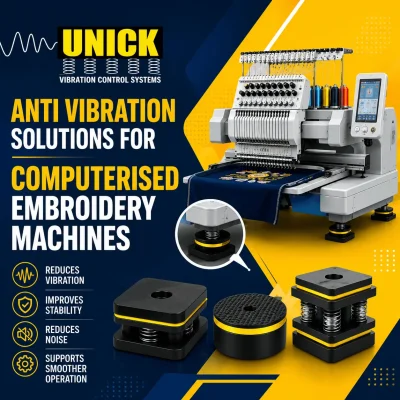
Anti Vibration Solutions for Computerised Embroidery Machines
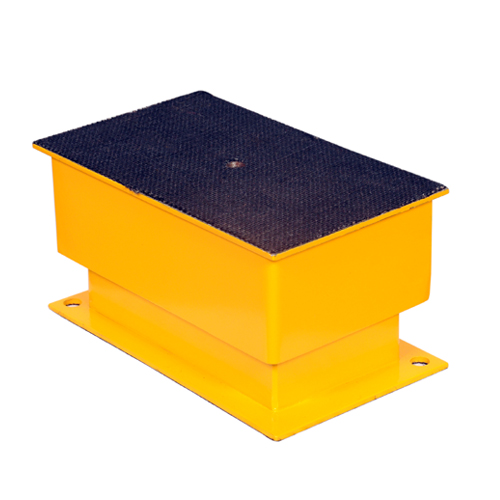
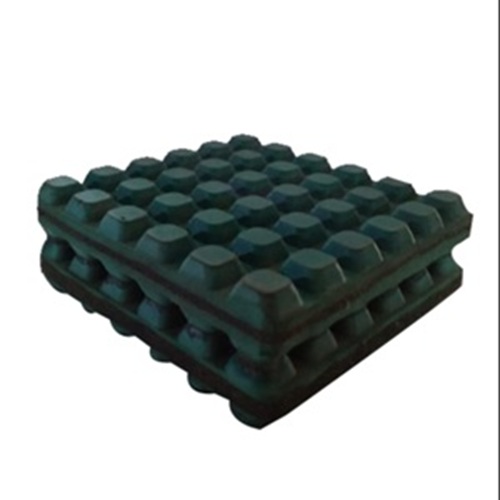
Unick Vibration offers industrial vibration isolation solutions that can be considered for different machinery applications. Depending on the machine configuration and operating requirements, suitable solutions may include:
Best Pads for Embroidery Machines:
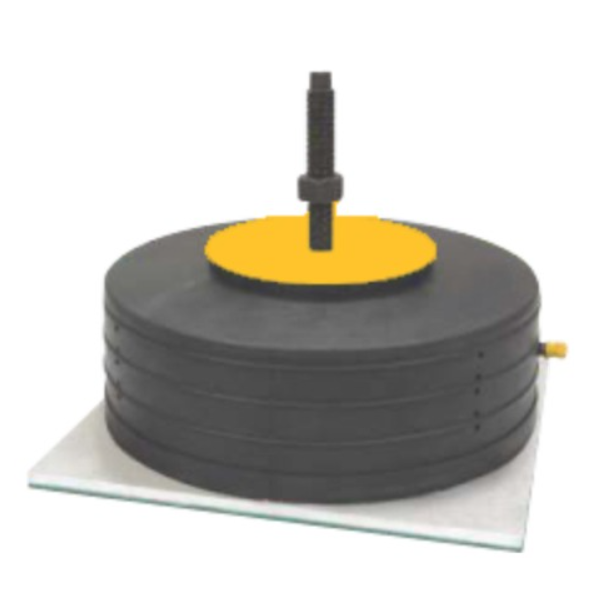
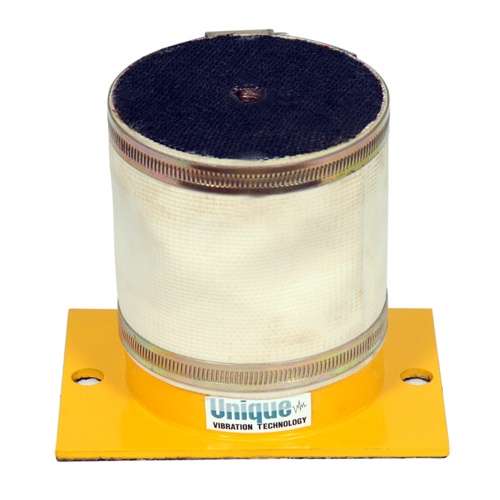
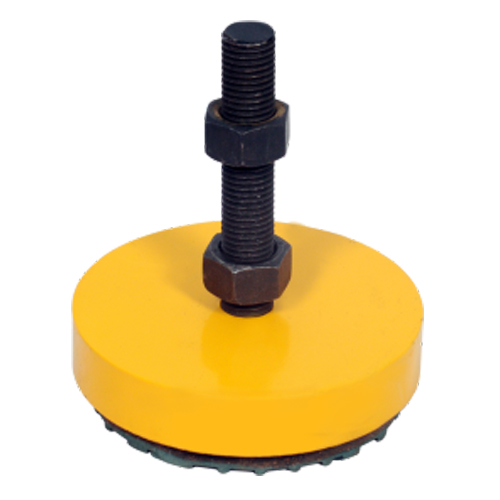
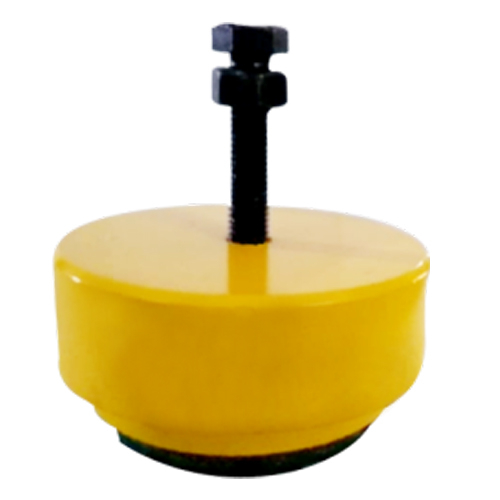
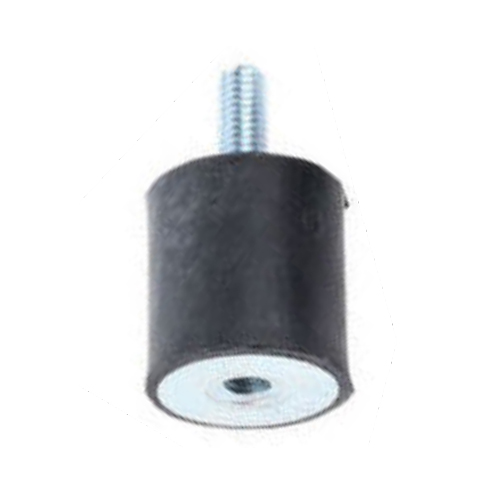
- Spring Pads
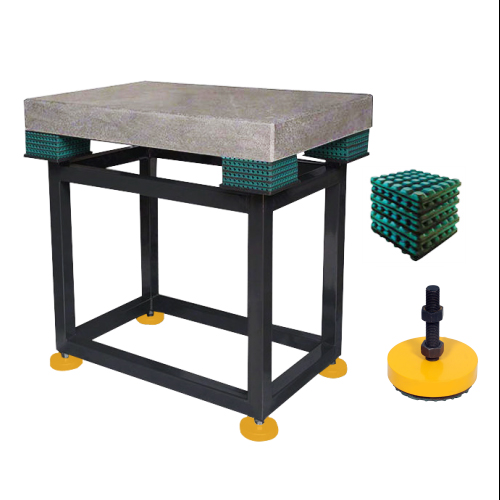
- Levelling Pads
- Wedge Mount
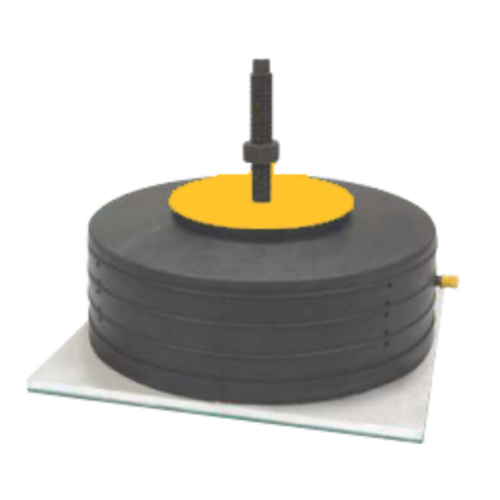
- Sandwich-type Mounts
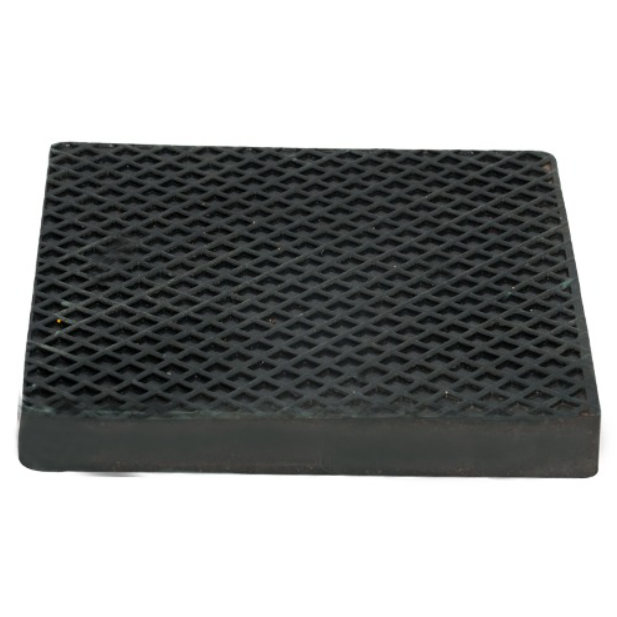
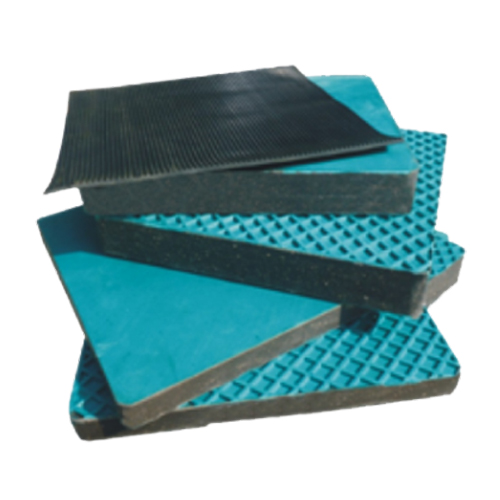
- Anti Vibration Rubber Pads
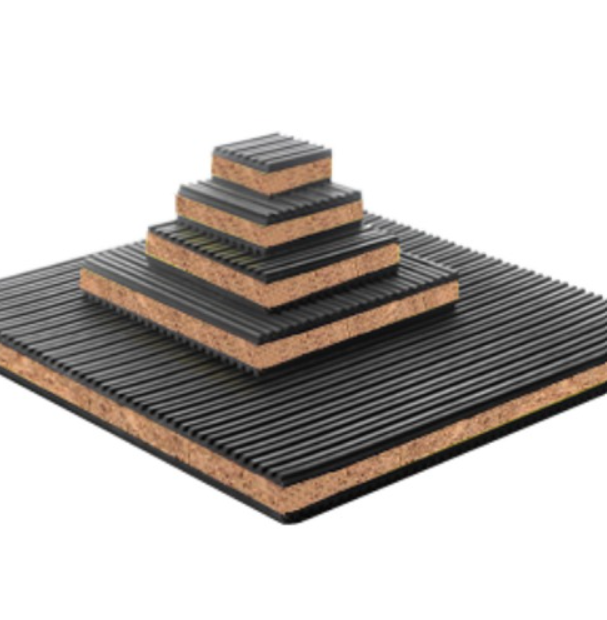
- Rubber Cork Anti Vibration Pads
- Other customized vibration isolation solutions
The appropriate product depends on the machine’s weight, load distribution, operating conditions and installation requirements.
Contact Unick Vibration with your machine details to identify the appropriate Anti Vibration Pads for Computerised Embroidery Machine.
Vibration Reduction Solutions for Textile Machines
Vibration control is not limited to computerised embroidery machines. Similar requirements can exist across different textile and garment machinery applications. Unick Vibration can provide vibration isolation solutions for applications such as:
| Computerised embroidery machines | Single-head embroidery machines |
|---|---|
| Multi-head embroidery machines | Flat embroidery machines |
| Cap embroidery machines | T-shirt and shirt embroidery machines |
| Bag and garment embroidery machines | Industrial embroidery machines |
The appropriate anti vibration solution can vary depending on the machine design, weight, operating speed and foundation conditions.
Anti Vibration Pads for Single-Head and Multi-Head Embroidery Machines
Different embroidery machines can have significantly different weights, dimensions and support arrangements. A single-head machine may have different load requirements from a larger multi-head embroidery machine. Therefore, the same anti vibration pad should not automatically be used for every machine. Unick Vibration can evaluate the application based on relevant machine details and recommend a suitable vibration isolation solution.
- Machine make and model
- Total machine weight
- Number of support points
- Required pad quantity
- Floor or foundation details
- Current vibration-related problem
Why Choose Unick Vibration Control Systems?
Choosing an anti vibration pad is not simply about purchasing a rubber pad. The solution needs to match the machine’s load, operating conditions and installation requirements. Unick Vibration focuses on industrial vibration isolation solutions for machinery applications.
Application-Focused Solutions: We understand that different machines have different vibration and load requirements. Our solutions can be selected according to the specific application.
Industrial Machinery Expertise: Our anti vibration solutions are designed for use across industrial machinery and manufacturing applications where vibration isolation and machine stability are important.
Customized Solutions: Where standard sizes or configurations are not suitable, customized anti vibration solutions may be considered according to application requirements.
Technical Support: Share your machine details and vibration requirements with our team to help identify a suitable vibration isolation solution.
Solutions for Multiple Industries: Our vibration isolation products can be used across machinery, textile, manufacturing and other industrial applications.

Frequently Asked Questions
Computerised embroidery machines can generate continuous mechanical vibration during operation. Anti vibration pads can help isolate the machine from the supporting floor and reduce vibration transmission, particularly where machine stability and vibration control are important.
There is no single anti vibration pad that is best for every embroidery machine. The appropriate solution depends on machine weight, load per support point, operating conditions, floor type and required vibration isolation. Unick Vibration can help identify a suitable solution based on the machine’s application.
Yes, appropriately selected anti vibration pads can help isolate vibration between the machine and supporting surface and reduce the transmission of vibration to the floor.
Start with the machine’s total weight, number of support points, approximate load per support point, operating conditions, floor type and required pad dimensions. These details can be used to determine a suitable anti vibration solution.
Yes, anti vibration solutions can be considered for different types of embroidery machines, including multi-head machines. However, the pad selection should be based on the actual machine weight and load distribution.
Anti vibration pads primarily address vibration transmission. Since vibration can contribute to structure-borne noise, appropriate isolation may also help reduce vibration-related noise transmission.
The required quantity depends on the machine’s support arrangement and the manufacturer’s or installation requirements. The total machine weight and load distribution should be considered when determining the number of pads.
Yes. Similar vibration isolation requirements can occur in sewing, textile processing, garment manufacturing and other industrial machinery. The correct product should be selected according to the specific application.
You can provide the machine make/model, total weight, number of support points, required quantity, dimensions if available, floor condition and details of the vibration problem. This information can help determine a suitable solution.
Depending on the application and product type, customized dimensions or configurations may be possible. Contact Unick Vibration with your machine requirements for confirmation.
Anti vibration pads and anti vibration mounts for embroidery machines serve the same core purpose — isolating machine vibration from the floor or supporting structure. Pads are typically flat, load-bearing isolation layers placed under each support point, while mounts may include additional mechanical components such as springs or fasteners for higher load or higher isolation requirements. The right choice depends on the machine’s weight, operating speed, and installation surface.
Both terms are often used interchangeably. Vibration control pads for computerised embroidery machine applications generally refer to the overall solution used to manage and reduce machine vibration, while vibration isolation pads more specifically describe pads designed to separate the machine from the supporting floor. In practice, most embroidery machine pads perform both functions together.