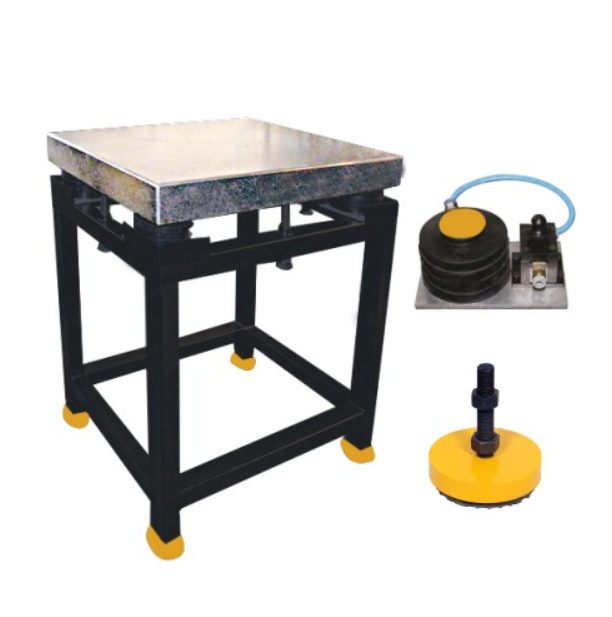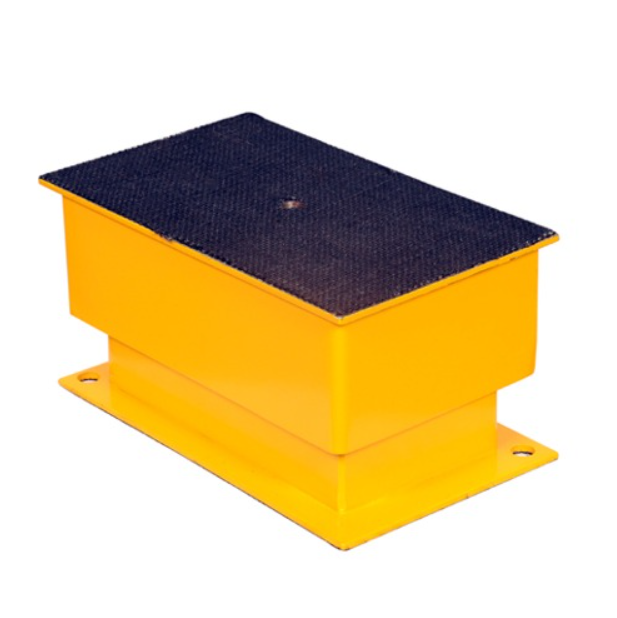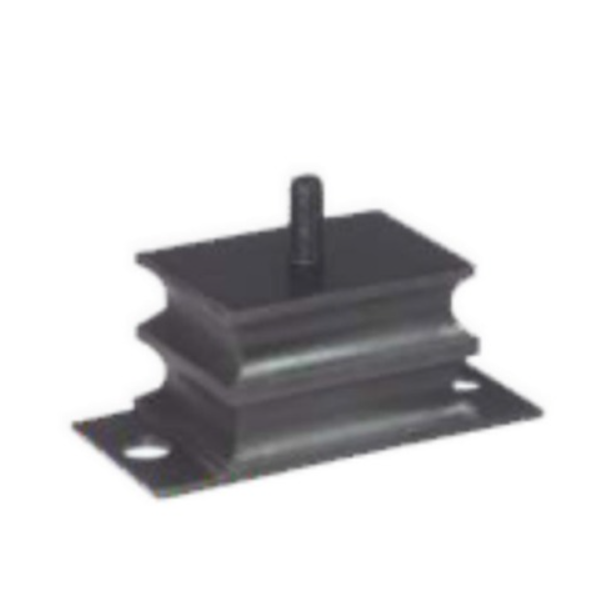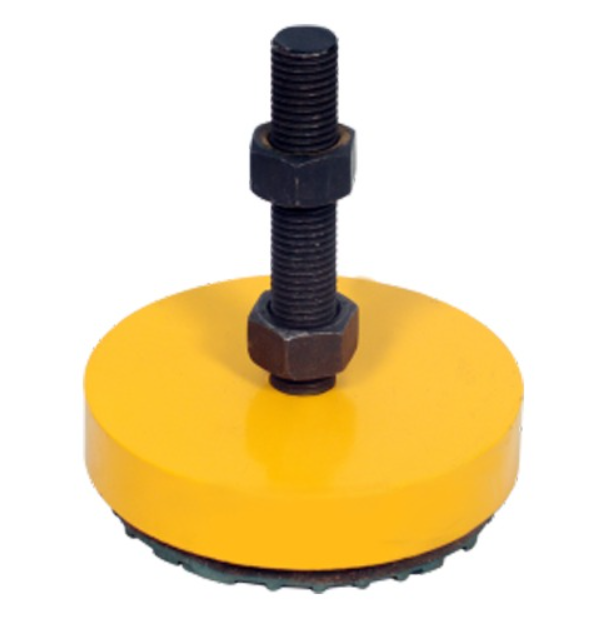
Anti Vibration Rubber Pads for Heavy Machinery provide a practical way to reduce vibration transmitted from industrial equipment to the supporting floor. They are commonly placed below machine feet, base frames or mounting points to absorb movement, reduce structural noise and improve operational stability. Their performance, however, depends on choosing the correct material, size, hardness and load capacity for the machine.
Heavy equipment can generate vibration through rotating parts, reciprocating movement, impact forces, misalignment or uneven loading. If this vibration is allowed to pass into the foundation, it may disturb nearby equipment, increase workplace noise and contribute to premature wear of machine components.
Why Heavy Machinery Requires Vibration Control
Machines such as compressors, generators, pumps, presses, CNC equipment and production systems generate different levels of vibration. The intensity depends on factors such as operating speed, machine weight, foundation condition and the type of movement involved.
Uncontrolled vibration can lead to several problems:
- Loosening of nuts, bolts and mechanical connections
- Increased noise in the surrounding work area
- Movement or instability during operation
- Faster wear of bearings and connected components
- Vibration transfer to nearby machinery
- Damage to floors or supporting structures
- Reduced accuracy in precision operations
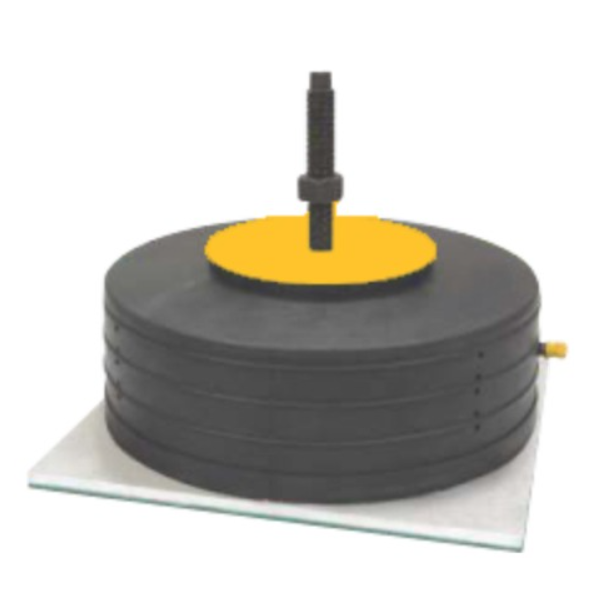
Rubber isolation pads create a flexible layer between the equipment and its base. This layer deforms under load and absorbs part of the vibration energy before it reaches the floor.
Anti Vibration Rubber Pads for Heavy Machinery
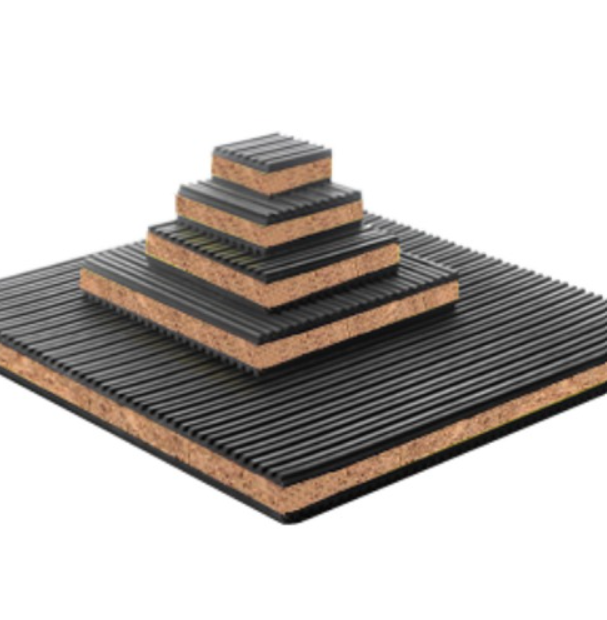
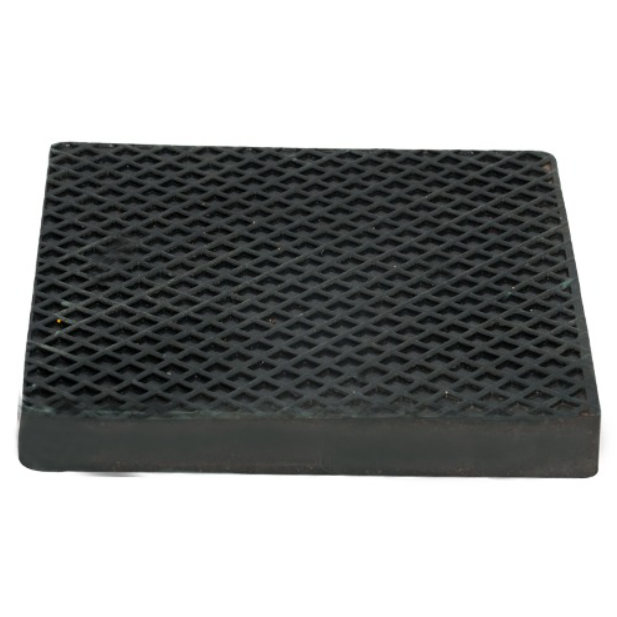
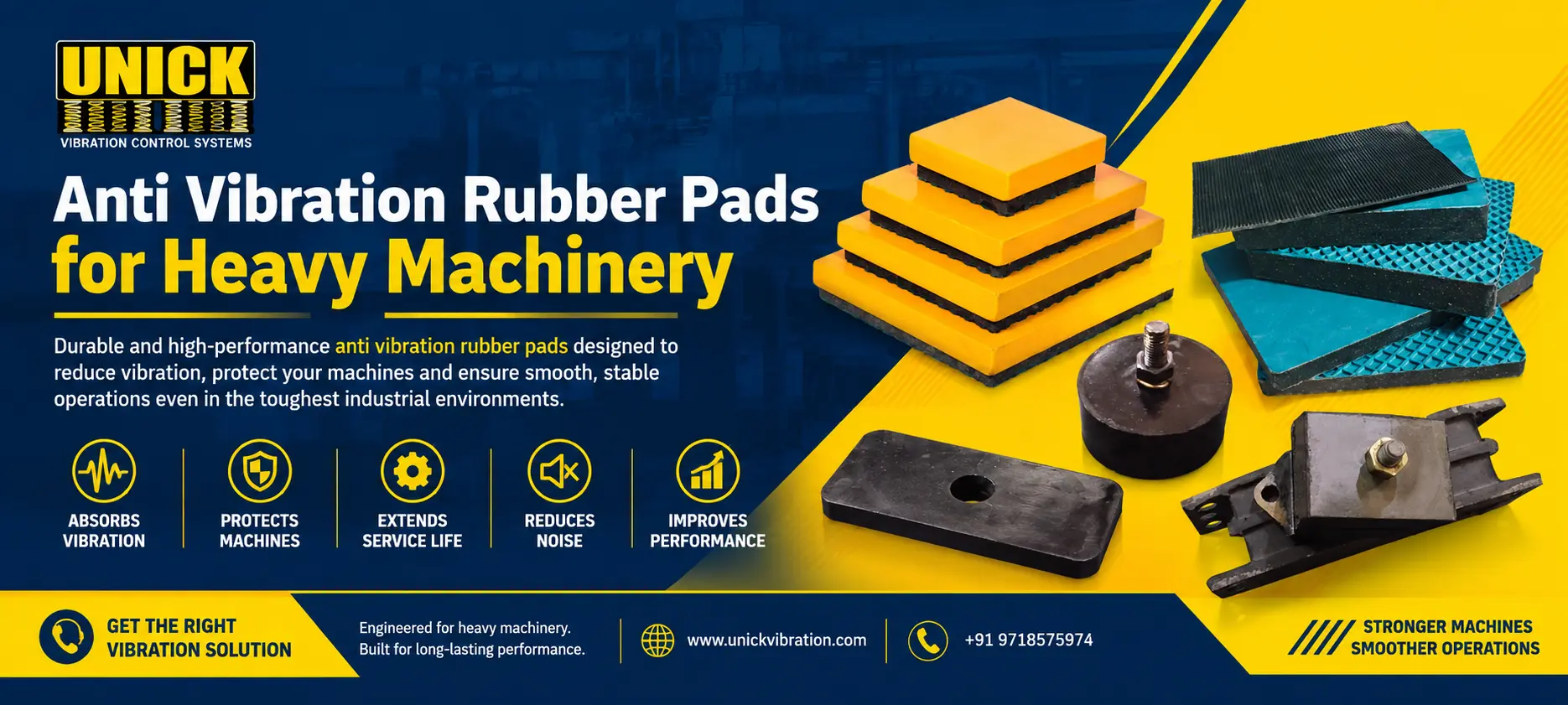
Rubber pads are manufactured from natural rubber, neoprene, nitrile rubber or other elastomeric compounds. Some designs use a single solid layer, while others include ribbed, grooved or multi-layer surfaces to improve grip and vibration absorption.
When a machine is placed on these pads, the rubber compresses according to the applied load. This controlled compression helps isolate vibration and prevents direct metal-to-floor contact.
The pad must remain flexible enough to absorb movement but firm enough to support the equipment without excessive deformation. If it is too soft, the machine may become unstable. If it is too hard, it may transfer more vibration instead of isolating it.
Need Help Choosing Rubber Pads?
How Rubber Isolation Pads Work
Rubber is both elastic and naturally damped. Elasticity allows it to compress and return to its original shape, while damping helps convert a portion of the vibration energy into a small amount of heat.
Three properties influence performance:
Elasticity
The material should deform under the machine load without becoming permanently compressed. This movement creates the isolation effect.
Damping
Internal damping controls repeated movement and helps the machine settle after vibration or impact.
Surface Grip
Textured or ribbed surfaces can improve contact between the machine base, pad and floor. This helps limit unwanted sliding during operation.
Unlike rigid mounting arrangements, rubber pads do not transfer every movement directly into the foundation. Their simple construction also makes them suitable for many installations where spring-based systems may not be necessary.
Common Applications
Industrial rubber vibration pads may be used below:
- CNC and machining equipment
- Air compressors
- Industrial pumps
- Diesel generators
- Printing machines
- Textile equipment
- Packaging machines
- Power presses
- Lathes and milling machines
- Blowers and fans
- Woodworking machinery
- Food-processing equipment
The same pad should not be assumed to work for every application. A high-speed motor and a slow impact machine may produce completely different vibration patterns even when their total weights are similar.
Important Selection Factors
Machine Weight
The total weight of the equipment is the starting point, but load distribution is equally important. Motors, gearboxes and other heavy components can place more weight on one side of the machine.
Each mounting point should be checked separately. Dividing the total weight equally by the number of feet may produce an incorrect result when the load is uneven.
Load Capacity
Every pad has a recommended load range. The operating load should remain within this range so that the material achieves suitable compression.
An overloaded pad may deform excessively or fail early. An underloaded pad may remain too stiff to provide effective isolation.
Rubber Hardness
Rubber hardness is commonly measured on the Shore A scale. Softer rubber generally allows greater compression, while harder rubber provides firmer support.
The correct hardness depends on machine weight, required stability and vibration characteristics. Selecting the softest available material does not automatically provide better performance.
Pad Thickness
A thicker pad may allow more deflection, but thickness alone does not determine isolation quality. Material hardness, surface area and load must also be considered.
Stacking several pads without technical guidance can create instability and uneven compression.
Operating Environment
The pad material should suit the conditions around the machine. Important factors include:
- Exposure to oil or grease
- Contact with water or chemicals
- Operating temperature
- Indoor or outdoor use
- Dust and surface contamination
- Continuous or intermittent operation
Neoprene or nitrile-based materials may be considered where resistance to oil, weather or certain chemicals is required.
Machine Speed
The operating frequency affects the suitability of the isolation system. Rubber pads are effective for many medium- and high-frequency vibration problems, but some low-frequency applications may require spring isolators or a combined solution.
Choosing the Right Product
The best anti vibration pads for heavy machinery are not necessarily the thickest or hardest products. The right choice is the one that provides controlled compression under the actual machine load while maintaining stability.
Before ordering, collect the following information:
- Total machine weight
- Number and size of mounting points
- Approximate load at each point
- Machine operating speed
- Type and intensity of vibration
- Base-frame dimensions
- Floor condition
- Exposure to oil, chemicals or heat
- Need for levelling or anchoring
- Acceptable amount of machine movement
Businesses sourcing anti vibration rubber pads for heavy machinery in India should also consider product availability, technical data, material quality and support with model selection.
Rubber Pads Compared with Spring Mounts
Rubber pads and spring mounts both reduce vibration, but they suit different operating conditions.
Rubber pads are generally compact, easy to install and naturally damped. They are commonly used where vibration frequency is moderate or high and machine movement must remain limited.
Spring mounts provide greater deflection and may offer better isolation for lower-frequency vibration. However, they can allow more movement and may require additional damping or lateral restraint.
In some installations, a combination of springs and elastomeric material is used to provide low-frequency isolation along with controlled movement.
Installation Guidelines
The supporting floor should be clean, level and capable of carrying the full machine load. Oil, dust and loose material should be removed before positioning the pads.
Each pad should sit fully below its mounting point. Partial contact can create uneven loading and damage the pad. The machine should be lowered gradually so the pads remain correctly positioned.
After installation, check:
- Whether all pads are compressed evenly
- Whether the machine remains level
- Whether any pad is overloaded
- Whether the equipment rocks during operation
- Whether pipes, cables or ducts create rigid vibration paths
- Whether bolts have been tightened according to the installation method
The machine should be observed during start-up, full operation and shutdown.
Maintenance and Inspection
Rubber isolation pads require limited maintenance, but periodic inspection is still useful. Look for:
- Cracks or surface cuts
- Permanent flattening
- Hardening or loss of flexibility
- Oil or chemical damage
- Uneven compression
- Movement from the original position
- Increased noise or vibration
- Loose machine fasteners
Pads should be reviewed when the machine is relocated, modified or fitted with heavier components because the load conditions may have changed.
When Rubber Pads May Not Be Enough
Rubber pads cannot correct mechanical faults. Excessive vibration may be caused by imbalance, misalignment, damaged bearings, loose components or an inadequate foundation.
Before changing the isolation system, the machine should be inspected for mechanical problems. A vibration pad can reduce transmitted movement, but it should not be used to hide a fault that requires repair.
Low-speed equipment, severe impact machines or vibration-sensitive installations may also require engineered spring mounts, inertia bases or specialised isolation systems.
Need Help Choosing Rubber Pads?
Final Recommendation
Select rubber isolation pads using the machine’s actual weight, load distribution, operating speed and environmental conditions. Proper installation and periodic inspection are just as important as material selection.
Where load data or vibration conditions are unclear, a technical review from an experienced vibration-control company such as Unick Vibration can help identify a suitable solution without relying on guesswork.