Does a VMC Machine Need Insulation Sheets? The Impact on Precision
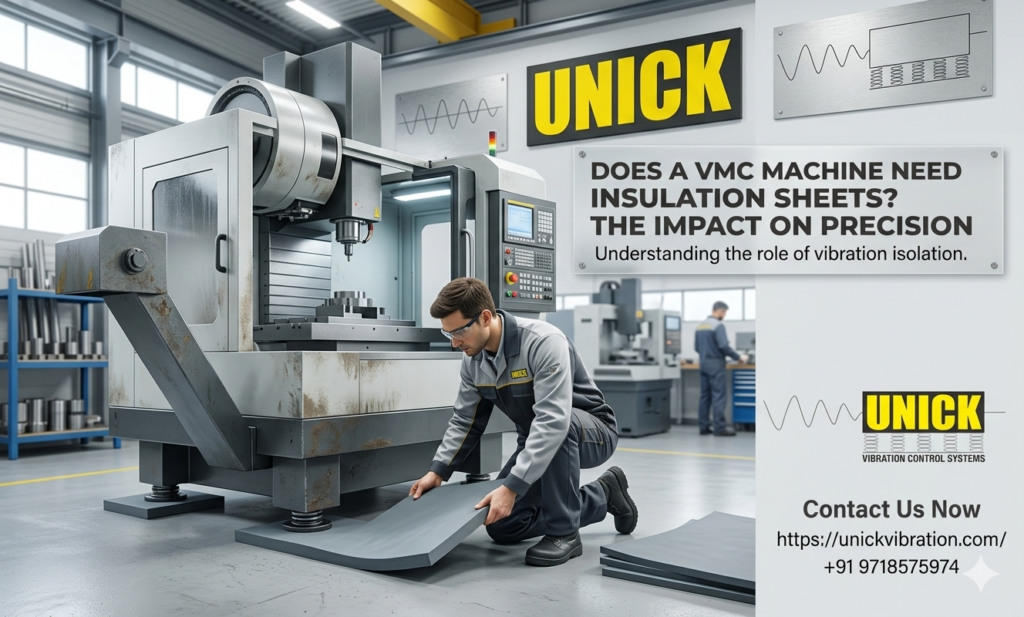
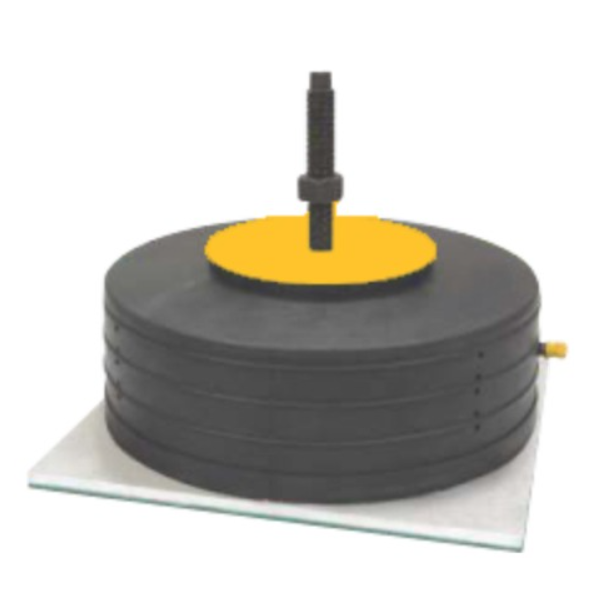
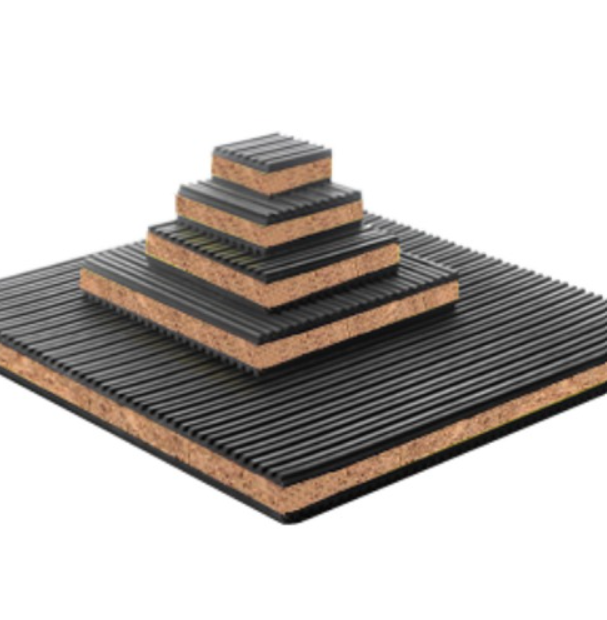
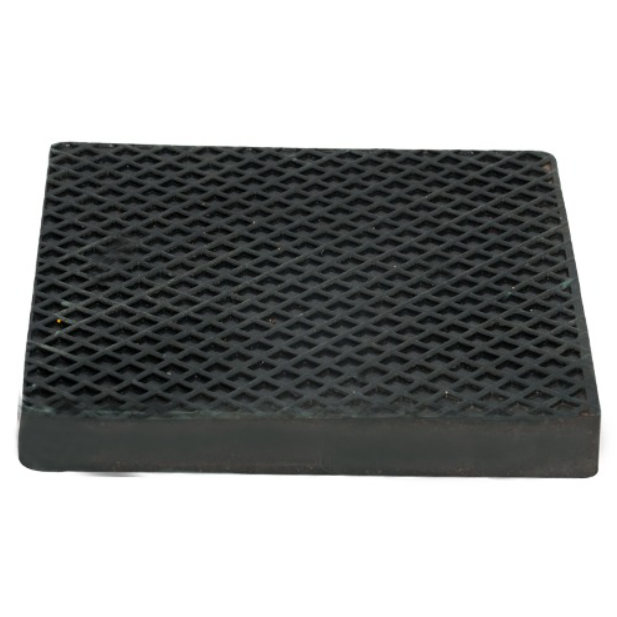
In modern manufacturing industries, Vertical Machining Center (VMC) machines are expected to deliver exceptional precision, stability, and consistent production quality. However, many industries overlook one important component that directly affects machine performance: insulation sheets. These high-performance sheets act as a protective layer between the machine and its foundation, helping reduce vibration, thermal distortion, and operational instability. Moreover, insulation sheets are becoming increasingly important in industries where micron-level accuracy matters. As a result, manufacturers are now investing in advanced insulation solutions to improve machine efficiency and extend equipment lifespan. Therefore, understanding the role of insulation sheets in VMC machines is essential for achieving reliable machining accuracy. Why Insulation Sheets Matter for VMC Machine Precision Performance VMC machines operate at high speeds and perform continuous cutting operations that generate vibrations, heat, and stress. Consequently, these factors can reduce machining precision if not properly controlled. Insulation sheets help absorb unwanted disturbances and maintain operational balance. Key Reasons Insulation Sheets Are Important for Precision Vibration Isolation for Better Accuracy: Insulation sheets reduce the transfer of vibrations from the floor to the machine structure. Therefore, the machine maintains stable cutting conditions and delivers smoother machining results. Improved Surface Finish Quality: Excessive vibration often causes rough surface finishes and dimensional errors. In addition, insulation sheets help improve tool stability, resulting in cleaner and more accurate finished products. Thermal Protection During Continuous Operations: VMC machines generate heat during long machining cycles. As a result, thermal expansion may affect machine alignment. Insulation sheets minimize thermal transfer and maintain structural consistency. Enhanced Machine Life and Durability: Constant vibration and operational stress can weaken machine components over time. Consequently, insulation sheets help reduce wear and protect critical machine parts from premature damage. Consistent Production Performance: Stable machine foundations improve repeatability in production processes. Therefore, manufacturers can maintain uniform product quality across multiple batches. How Insulation Sheets Improve Stability in Modern VMC Machines Machine stability is one of the most important factors in precision engineering. Even slight instability can affect cutting tolerances and machining efficiency. Furthermore, industries such as automotive, aerospace, and die manufacturing require extreme precision, making insulation sheets a valuable addition. Stability Benefits of Using Insulation Sheets Reduction of External Floor Vibrations: Industrial environments often contain multiple running machines that generate vibrations. Insulation sheets act as a buffer layer and prevent these disturbances from affecting the VMC machine. Support for High-Speed Machining Operations: High-speed machining creates intense movement and stress. Therefore, insulation sheets help stabilize the machine during rapid cutting and drilling applications. Improved Tool Performance and Tool Life: Stable machine operations reduce unnecessary tool movement. As a result, cutting tools experience less stress, improving their lifespan and reducing replacement costs. Better Load Distribution Across the Machine Base: Insulation sheets distribute machine weight evenly across the foundation. Consequently, this minimizes pressure concentration and foundation imbalance. Lower Maintenance Requirements: Reduced vibration and stress decrease mechanical strain on moving parts. In addition, this helps lower maintenance frequency and operational downtime. The Role of Insulation Sheets in Reducing VMC Machine Vibrations Vibration control is one of the primary purposes of insulation sheets in VMC machines. Uncontrolled vibrations can lead to inaccurate cuts, excessive tool wear, and poor production quality. However, properly selected insulation sheets effectively absorb these vibrations and improve operational smoothness. How Insulation Sheets Control Vibrations Absorption of Mechanical Shock: During machining operations, sudden impacts and cutting forces create shock waves. Insulation sheets absorb these forces and reduce machine instability. Noise Reduction in Industrial Environments: Vibrations often produce unwanted noise during machine operation. Therefore, insulation sheets contribute to quieter and more comfortable working conditions. Prevention of Structural Resonance: Continuous vibration may create resonance within machine components. As a result, insulation sheets help prevent harmful oscillations that affect machining precision. Stable Cutting Performance Under Heavy Loads: Heavy-duty machining operations require excellent stability. Consequently, insulation sheets provide better support during demanding industrial applications. Why Unick Vibration Recommends Quality Insulation Sheets for VMC Machines Unick Vibration understands the importance of machine precision, operational stability, and long-term industrial performance. Therefore, the company recommends high-quality insulation sheets specifically designed for VMC machines and other heavy industrial equipment. Advantages of Choosing Unick Vibration Solutions Customized Industrial Solutions: Unick Vibration provides insulation solutions designed according to machine size, load, and operational requirements. High-Performance Materials for Better Durability: The company uses advanced insulation materials capable of withstanding industrial stress, heat, and continuous machine movement. Improved Precision for Critical Manufacturing Applications: Their insulation sheets help industries maintain tighter machining tolerances and superior production accuracy. Reliable Technical Support and Installation Guidance: In addition, Unick Vibration assists industries in selecting the right insulation solutions for maximum operational efficiency. Choosing the Right Insulation Sheets for Accurate VMC Machine Operations Selecting the correct insulation sheets is essential for achieving the desired machining performance. However, not all insulation materials provide the same level of support and vibration control. Factors to Consider When Selecting Insulation Sheets Machine Weight and Load Capacity: The insulation sheet must support the machine load without losing structural strength. Vibration Absorption Capability: High-quality sheets should effectively absorb operational vibrations and mechanical shocks. Resistance to Heat and Industrial Chemicals: Industrial environments expose machines to heat, coolant, and chemicals. Therefore, insulation sheets should offer excellent resistance properties. Long-Term Durability and Stability: Durable insulation sheets provide long-lasting performance and reduce replacement frequency. Compatibility with Precision Machining Applications: Accurate machining operations require insulation materials that maintain consistent stability over time. Conclusion Insulation sheets play a crucial role in improving VMC machine precision, stability, and operational reliability. They help reduce vibration, minimize thermal distortion, improve surface finish quality, and extend machine lifespan. Furthermore, industries relying on high-precision machining can significantly benefit from advanced insulation solutions. Therefore, investing in high-quality insulation sheets is not just an optional upgrade but a smart long-term decision for manufacturers aiming to achieve superior machining performance and reduced operational costs. Improve Your VMC Machine Precision with Unick Vibration Looking to enhance your VMC machine stability, reduce vibration, and improve machining accuracy? Choose advanced insulation sheet solutions from Unick Vibration for reliable industrial
How Unick Insulation Sheets Improve Precision in Vertical Injection Moulding
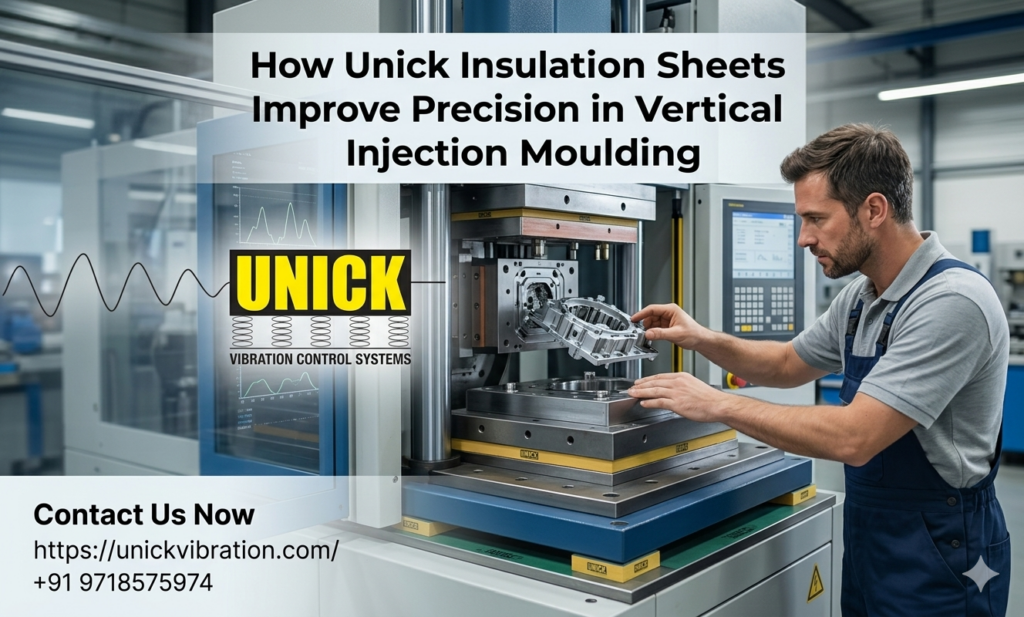
In modern manufacturing industries, vertical injection moulding machines play a vital role in producing highly accurate and consistent components. However, maintaining precision during moulding operations requires proper thermal management and vibration control. This is where Unick Insulation Sheets become essential. These advanced insulation solutions help manufacturers maintain stable machine temperatures, reduce thermal fluctuations, and improve operational efficiency. Moreover, industries using vertical injection moulding machines constantly seek ways to minimize defects and improve production quality. Therefore, installing high-performance insulation sheets can significantly enhance moulding precision while reducing energy consumption. In addition, Unick insulation sheets help maintain machine stability, which is critical for achieving accurate and repeatable moulding results. How Unick Insulation Sheets Enhance Accuracy in Vertical Injection Moulding Operations Precision in vertical injection moulding depends heavily on temperature stability. Even minor thermal variations can affect the shape, dimensions, and consistency of moulded components. Consequently, insulation sheets act as an effective barrier that prevents unnecessary heat loss and maintains consistent machine temperatures. Key Ways Unick Insulation Sheets Improve Accuracy Maintaining Stable Temperature Distribution: Unick insulation sheets help maintain uniform heat across the moulding machine. As a result, temperature fluctuations are minimized, ensuring accurate mould filling and improved dimensional precision. Reducing Thermal Expansion Issues: Excessive heat can cause machine parts to expand unevenly. Therefore, insulation sheets reduce thermal stress and help maintain accurate machine alignment during long production cycles. Enhancing Machine Efficiency: By retaining heat effectively, insulation sheets reduce the need for excessive heating energy. Furthermore, machines can achieve operational temperatures faster and maintain them consistently. Supporting Precision Component Manufacturing: Industries producing small and complex moulded parts require extremely tight tolerances. Hence, Unick insulation sheets contribute to maintaining the exact processing conditions required for high-precision manufacturing. Improving Production Stability: Stable temperatures lead to fewer interruptions and process variations. Consequently, manufacturers experience smoother operations and reduced rejection rates. Improving Product Consistency with High-Performance Unick Insulation Sheets Solutions Product consistency is one of the biggest challenges in vertical injection moulding. Variations in temperature can create defects such as warping, shrinkage, or uneven surface finishing. However, high-performance Unick insulation sheets and heavy-duty anti-vibration rubber pads help eliminate these issues by creating a thermally balanced and vibration-controlled production environment. Benefits of Using High-Performance Insulation Sheets: Consistent Moulding Quality: Stable thermal conditions ensure that every moulded product maintains the same dimensions, strength, and surface finish throughout production batches. Reduced Material Waste: Temperature inconsistencies often lead to defective products. In contrast, insulation sheets help reduce production errors and minimize raw material wastage. Better Cycle Time Management: Proper heat retention allows machines to operate more efficiently. As a result, production cycles become faster and more predictable. Improved Surface Finish: Controlled temperatures help molten material flow evenly into mould cavities. Therefore, manufacturers achieve smoother and more refined product surfaces. Lower Energy Consumption: Since insulation sheets reduce heat loss, machines require less energy to maintain desired temperatures. Additionally, this helps lower overall operational costs. Why Unick Vibration Recommends Advanced Insulation Sheets for Precision Moulding Unick Vibration recommends advanced insulation sheets because they provide superior thermal efficiency and machine stability. Precision moulding operations require controlled heat management, especially during continuous industrial production. Reasons Behind Their Recommendation: Advanced Thermal Resistance: High-quality insulation sheets can withstand extreme industrial temperatures without losing performance efficiency. Enhanced Machine Durability: By reducing excessive heat exposure, insulation sheets help protect machine components from premature wear and damage. Support for High-Speed Production: Modern vertical injection moulding machines operate at high speeds. Therefore, stable thermal conditions become essential for maintaining production accuracy. Reliable Industrial Performance: Unick insulation sheets are designed for demanding industrial applications, ensuring long-term operational stability and consistent performance. Reducing Heat Loss and Increasing Precision Using Unick Insulation Sheets Heat loss is one of the primary causes of reduced efficiency and inconsistent moulding results. Fortunately, Unick insulation sheets create an effective thermal barrier that minimizes heat dissipation, while businesses also trust Unick for high-performance anti-vibration pads for heavy machinery to improve machine stability and operational efficiency. How Heat Loss Reduction Improves Precision: Improved Temperature Retention: Insulation sheets help retain heat inside the machine system, allowing better process control during moulding operations. Minimized Production Variations: Stable temperatures reduce sudden process changes. Consequently, manufacturers achieve more predictable and precise production outcomes. Lower Thermal Distortion: Reduced heat loss prevents unnecessary thermal distortion in machine structures and moulding tools. Consistent Material Flow: Maintaining optimal heat levels ensures smooth material flow inside mould cavities, improving moulding accuracy. Energy-Efficient Operations: Less heat loss means lower energy consumption. Furthermore, manufacturers can reduce operational expenses while maintaining high productivity. Achieving Stable Vertical Injection Moulding Results with Unick Insulation Sheets Stable machine performance is critical for producing high-quality moulded components consistently. Therefore, insulation sheets play a major role in maintaining thermal balance and operational precision. Advantages of Stable Moulding Operations Reduced Machine Downtime: Stable thermal conditions help prevent overheating and unexpected operational interruptions. Improved Repeatability: Manufacturers can achieve identical production results across multiple production cycles with better temperature control. Higher Productivity Levels: Efficient heat management supports uninterrupted manufacturing processes and faster production rates. Extended Machine Life: Controlled temperatures reduce stress on machine components, helping increase equipment lifespan. Greater Manufacturing Confidence: Reliable moulding conditions allow industries to meet strict quality standards consistently and efficiently. Conclusion Unick insulation sheets are becoming increasingly important in modern vertical injection moulding industries because they improve thermal stability, reduce heat loss, and enhance overall production precision. Moreover, these insulation solutions help manufacturers achieve consistent product quality, lower energy costs, and improved machine efficiency. In conclusion, industries seeking accurate, stable, and efficient vertical injection moulding operations can significantly benefit from installing advanced Unick insulation sheets. Therefore, investing in high-performance insulation solutions is a smart step toward improving productivity and maintaining long-term manufacturing excellence. Contact Unick Vibration for Advanced Insulation Sheet Solutions Looking to improve the precision and efficiency of your vertical injection moulding machines? Contact Unick Vibration for high-performance insulation sheet solutions designed for industrial applications. Contact Unick Vibration today to enhance your moulding accuracy, reduce heat loss, and achieve stable industrial performance.