Why Precision Testing Equipment Requires a Stable Vibration-Free Platform

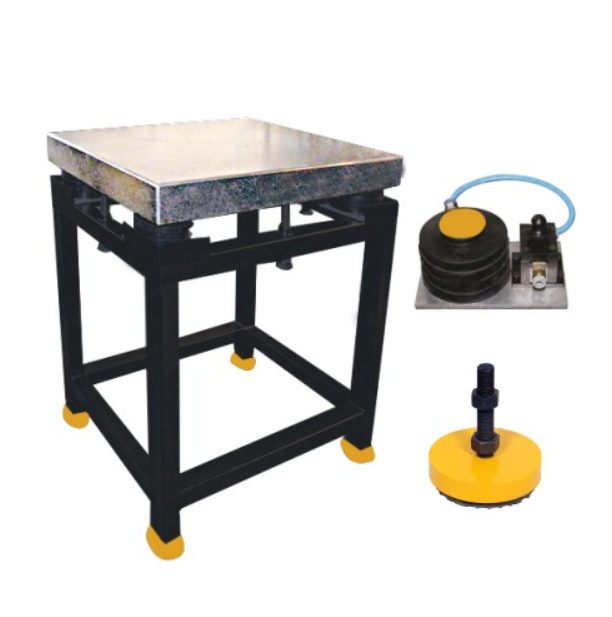
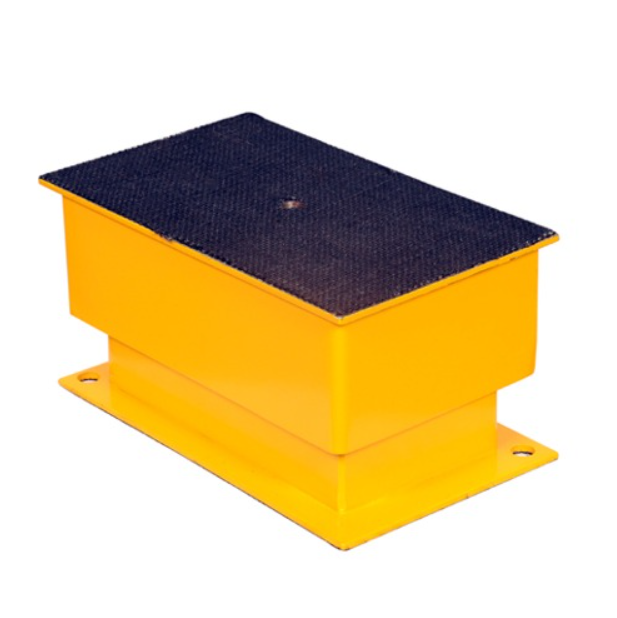
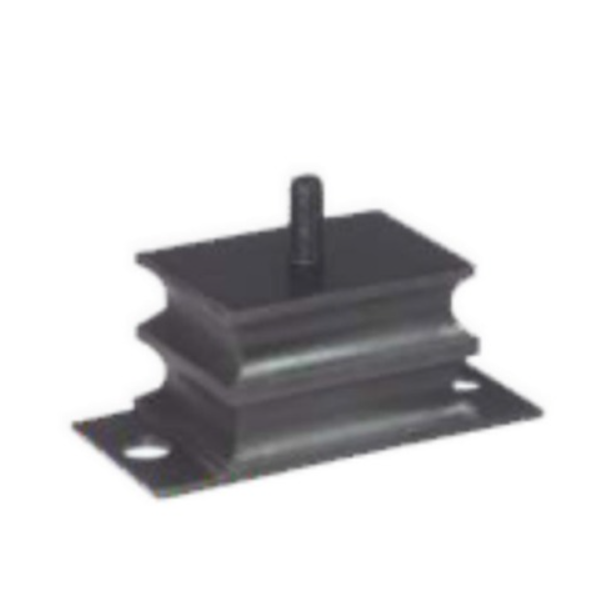
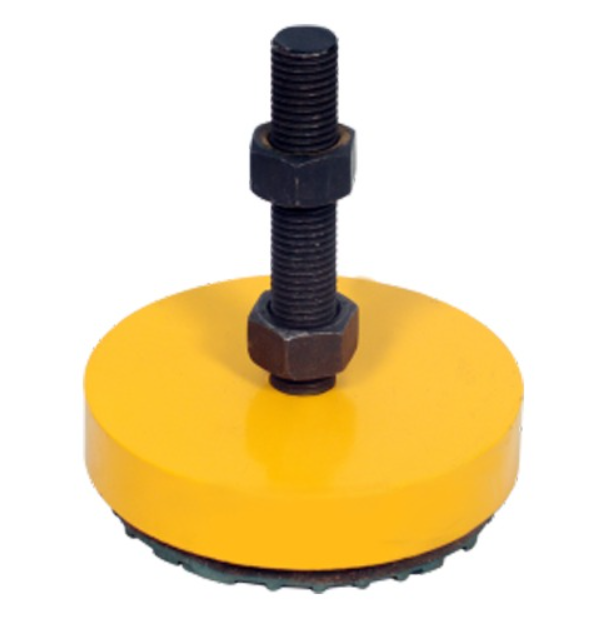
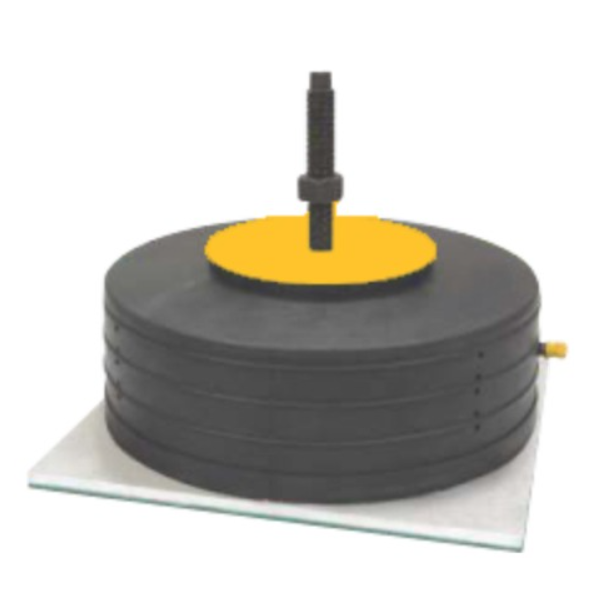
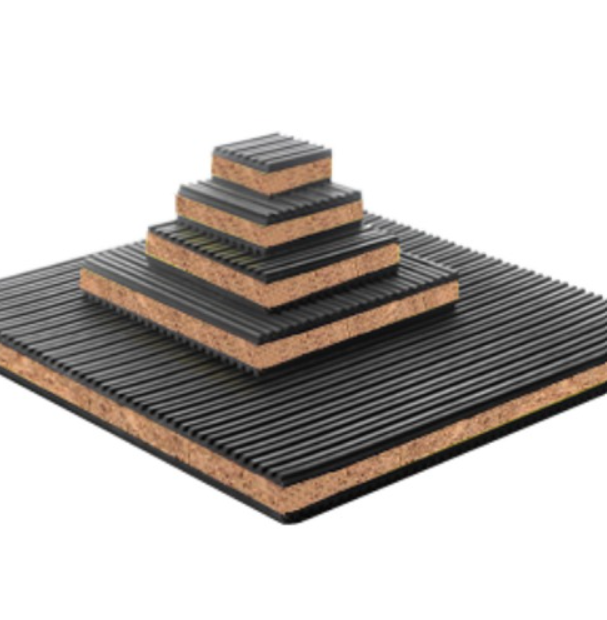
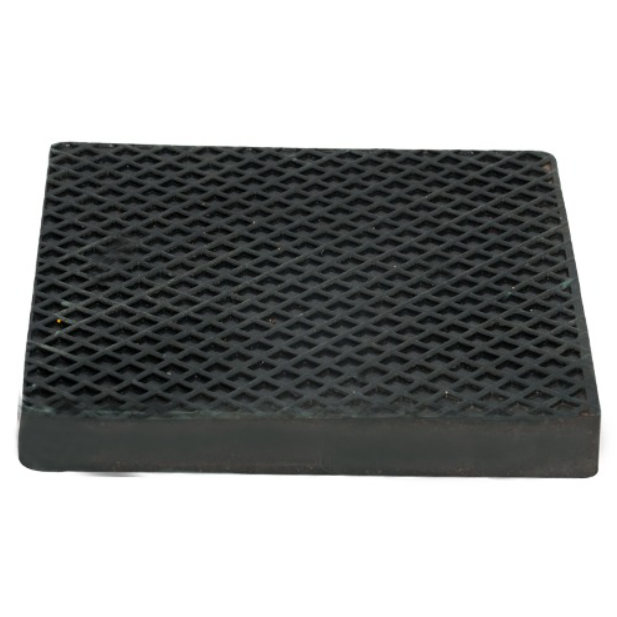
Precision testing equipment is designed to measure extremely small changes, movements, and variations. However, even minor external vibrations can affect measurement accuracy and lead to incorrect results. Choosing a reliable vibration isolation tables supplier in India helps industries and laboratories create a stable, vibration-free platform that improves testing accuracy, equipment performance, and long-term reliability. In precision environments, vibration control is not an optional feature; it is an essential requirement for achieving consistent and accurate measurements. Why Are Vibration Isolation Tables Used for Precision Equipment? Vibration isolation tables are used for precision equipment because they reduce external vibrations that can affect measurement accuracy. They provide a stable platform for testing, research, and inspection applications where even small movements can impact results. Why Vibration Control Is Important for Precision Testing Precision equipment works with very sensitive measurement systems. Vibrations from nearby machines, footsteps, building movement, or factory operations can interfere with accurate readings. Common sources of unwanted vibration include: Nearby industrial machinery Floor vibrations Structural movement Air movement Human activity Equipment operation Without proper vibration isolation, testing accuracy and reliability can be affected. How Vibration Affects Precision Measurement Even small vibrations can create major challenges in sensitive applications. Common Problems Include: Incorrect measurement results Reduced testing accuracy Unstable readings Repeated testing requirements Lower productivity Increased operational time A stable testing platform helps maintain consistent and reliable measurement conditions. Why Stable Platforms Matter for Industrial Applications A vibration-free platform provides: Better measurement accuracy Improved equipment stability Reduced external interference Consistent testing results Increased equipment reliability For industries where precision matters, controlling vibration is critical. How Anti Vibration Pads Support Equipment Stability For heavy industrial environments, vibration generated by machinery can travel through floors and affect sensitive areas. Using anti vibration pads for heavy machinery helps reduce vibration transfer and protects surrounding equipment from unwanted movement. Benefits Include: Reduced vibration transmission Improved machine stability Better operational performance Protection of equipment and foundations Lower maintenance requirements Proper vibration control creates a more stable working environment. Choosing the Right Vibration Isolation Solution Selecting the correct solution depends on: Equipment sensitivity Required accuracy level Operating environment Vibration frequency Installation location Load requirements A professional evaluation ensures that the selected isolation system provides maximum effectiveness. Role of Anti Vibration Sandwich Mounts in Vibration Control In industrial applications requiring reliable support and vibration reduction, anti vibration sandwich mounts provide effective isolation between equipment and the supporting structure. Advantages: Strong vibration absorption High load-bearing capacity Improved equipment stability Reduced noise transmission Long service performance These mounting solutions help maintain a stable environment for various industrial applications. Supporting Precision Manufacturing Environments Precision manufacturing requires controlled operating conditions to maintain accuracy. Proper vibration management also improves the performance of anti vibration pads for CNC machines by reducing unwanted machine movement, improving stability, and supporting better machining results. Combining suitable mounting systems with vibration isolation techniques helps industries achieve higher productivity and consistent quality. Applications Where Vibration-Free Platforms Are Important Stable vibration isolation solutions are useful in: Research laboratories Testing facilities Inspection areas Measurement applications Precision manufacturing environments Quality control departments Why Choose Unick Vibration Control Systems? Unick Vibration Control Systems (P) Limited provides engineered vibration isolation solutions designed for industrial and precision applications. Our solutions help customers achieve: Better vibration control Improved equipment stability Higher measurement reliability Reduced vibration transmission Long-term operational performance With technical expertise and quality-focused manufacturing, Unick supports industries in selecting suitable vibration control solutions. Conclusion Precision testing equipment requires a stable and vibration-free environment to deliver accurate and reliable results. Even small vibrations can affect measurements, increase errors, and reduce productivity. By using proper vibration isolation solutions such as vibration isolation tables, anti vibration mounts, and industrial vibration control products, industries can protect sensitive equipment and maintain accurate testing conditions. A stable platform is not just an advantage; it is a necessity for precision-based operations. Frequently Asked Questions (FAQs) 1. Why are vibration isolation tables used for precision testing equipment? Vibration isolation tables are used to reduce external vibrations and provide a stable platform for accurate measurement and testing. 2. How do vibrations affect precision measurement? Vibrations can create unstable readings, measurement errors, and inconsistent testing results by disturbing sensitive equipment. 3. What is a vibration isolation table? A vibration isolation table is a specially designed platform that minimizes vibration transfer and provides a stable surface for precision equipment. 4. Who needs vibration isolation tables? Laboratories, testing facilities, research centers, and industries using sensitive measurement equipment require vibration isolation tables. 5. How do Anti Vibration Pads for Heavy Machinery help? Anti vibration pads reduce vibration transfer from heavy machinery to the floor and surrounding equipment, improving overall stability. 6. Can floor vibrations affect testing accuracy? Yes, floor vibrations can interfere with sensitive measurements and reduce testing accuracy. 7. What are Anti Vibration Sandwich Mounts used for? Anti Vibration Sandwich Mounts are used to absorb vibration, support equipment loads, and improve machine stability. 8. How do vibration isolation systems improve equipment life? By reducing vibration stress, isolation systems help minimize wear and extend equipment service life. 9. Can vibration isolation improve CNC machine performance? Yes, proper vibration isolation helps improve CNC machine stability, accuracy, and operational consistency. 10. How do I choose the right vibration isolation solution? The correct solution depends on equipment weight, vibration level, application requirements, and installation conditions. 11. Does Unick Vibration Control Systems provide vibration isolation solutions in India? Yes, Unick provides engineered vibration control solutions for industrial and precision applications across India. 12. Why choose Unick as a Vibration Isolation Table Supplier in India? Unick focuses on quality manufacturing, technical support, and reliable vibration isolation solutions designed for industrial requirements.
How to Protect Industrial Floors from Continuous Machine Vibrations
Industrial floors are designed to support heavy machinery, but continuous vibration from operating equipment can gradually damage flooring structures, reduce machine stability, and create maintenance issues. Using an anti vibration insulating disc helps reduce vibration transfer between machinery and the floor, protecting the foundation while improving equipment stability. Many industries focus only on machine performance but overlook the impact of vibration on their factory flooring. Over time, excessive vibration can create cracks, uneven surfaces, foundation stress, and instability issues that affect overall production efficiency. How Can Industrial Floors Be Protected From Machine Vibrations? Industrial floors can be protected from continuous machine vibrations by installing proper vibration isolation solutions between the machinery and the floor. Products such as anti vibration insulating discs, insulation sheets, and heavy-duty mounting systems reduce vibration transfer, protect foundations, and improve machine stability. How Machine Vibrations Damage Industrial Floors When machines operate continuously, the generated forces travel through the machine bases and transfer into the floor structure. Over time, this can cause: Floor cracks Foundation stress Surface damage Increased vibration transmission Machine instability Reduced floor life Heavy machinery without proper vibration isolation can place unnecessary stress on industrial flooring. Common Causes of Industrial Floor Vibration Problems Several factors contribute to floor vibration issues: Heavy Equipment Operation Machines generating continuous impact or rotational forces create repeated stress on flooring. Poor Vibration Isolation Without proper isolation, vibrations directly transfer into the foundation. Uneven Floor Conditions An uneven installation surface increases machine movement and vibration transfer. Improper Mounting System Incorrect mounting solutions can reduce machine stability and increase floor stress. How Insulation Sheets Help Reduce Vibration Transfer Insulation Sheets act as a protective layer between machinery and the supporting surface. They help absorb unwanted vibrations and reduce the amount of vibration transferred into the floor. Benefits of Insulation Sheets: Protect industrial flooring Reduce vibration transmission Improve machine stability Minimize noise transfer Provide additional support during installation Selecting the right insulation material according to machine load and operating conditions improves long-term performance. Choosing the Right Vibration Isolation Solution Every industrial application requires a different vibration control approach. Before selecting a solution, industries should consider: Machine weight Operating speed Vibration intensity Floor condition Load distribution Installation environment Using an incorrect isolation product may not provide effective protection and can increase maintenance requirements. Heavy-Duty Mounting Solutions for Industrial Applications For demanding industrial environments, reliable mounting systems are essential. Industries looking for a durable solution should consider products from an experienced Heavy Duty Sandwich Mounts Manufacturer. Heavy Duty Sandwich Mounts help: Support heavy equipment loads Reduce vibration transmission Improve machine stability Protect foundations Increase equipment life They are designed for applications where strong vibration isolation and reliable load support are required. Advanced Vibration Isolation for Sensitive Applications For equipment requiring higher vibration control, Best Rubber Air Spring Isolators provide advanced isolation performance by minimizing vibration transfer and improving machine stability. These solutions are useful where: Precision is important Low vibration levels are required Equipment performance depends on stability Advanced isolation systems help create a more controlled industrial environment. Benefits of Protecting Industrial Floors From Vibration A proper vibration isolation system provides multiple advantages: Longer floor life Reduced structural stress Improved machine accuracy Lower maintenance costs Reduced vibration noise Better workplace safety Increased equipment reliability How does Unick Vibration handle the situation? Unick Vibration provides engineered vibration control solutions designed for industrial applications. Our solutions help industries: Reduce machine vibration Protect factory foundations Improve equipment stability Increase operational efficiency Extend machinery life With technical expertise and quality manufacturing, Unick provides reliable solutions for industrial vibration challenges. Conclusion Continuous machine vibration can silently damage industrial floors and affect overall production performance. Protecting the foundation with the right vibration isolation system helps industries reduce maintenance costs, improve machine stability, and increase equipment reliability. By selecting suitable solutions such as Anti-Vibration Insulating Disc, insulation sheets, and advanced mounting systems, industries can create a safer and more efficient production environment. Frequently Asked Questions (FAQs) 1. How do machine vibrations damage industrial floors? Continuous machine vibrations transfer energy into the floor structure, which can cause cracks, foundation stress, uneven surfaces, and reduced floor durability over time. 2. What is an Anti Vibration Insulating Disc used for? An Anti Vibration Insulating Disc is used to reduce vibration transfer between machinery and the supporting surface, helping protect floors and improve machine stability. 3. Why is floor vibration protection important in industries? Floor vibration protection helps prevent structural damage, improves machine performance, reduces maintenance requirements, and creates a safer working environment. 4. Can vibration isolation prevent industrial floor damage? Yes, proper vibration isolation solutions reduce vibration transmission and help protect industrial floors from continuous mechanical stress. 5. How do Insulation Sheets help control machine vibrations? Insulation Sheets absorb and reduce vibration transfer between machines and the floor, improving stability and protecting the installation surface. 6. What factors should be considered before selecting vibration isolation products? Industries should consider machine weight, vibration level, operating conditions, floor type, and required stability before selecting a solution. 7. Are heavy-duty mounting solutions suitable for industrial machinery? Yes, heavy-duty mounting solutions are designed to support high loads while reducing vibration and improving machine stability. 8. Why choose Unick Vibration Control Systems for vibration solutions? Unick Vibration Control Systems provides engineered vibration control products designed to improve stability, reduce vibration, and support industrial machinery performance. 9. Does Unick supply Anti Vibration Insulating Disc in India? Yes, Unick provides industrial vibration isolation solutions, including anti-vibration insulating discs, for applications across India. 10. Can vibration isolation improve machine life? Yes, reducing vibration lowers stress on machine components and helps extend equipment service life.
Why Sensitive Industrial Equipment Needs Advanced Vibration Isolation Systems
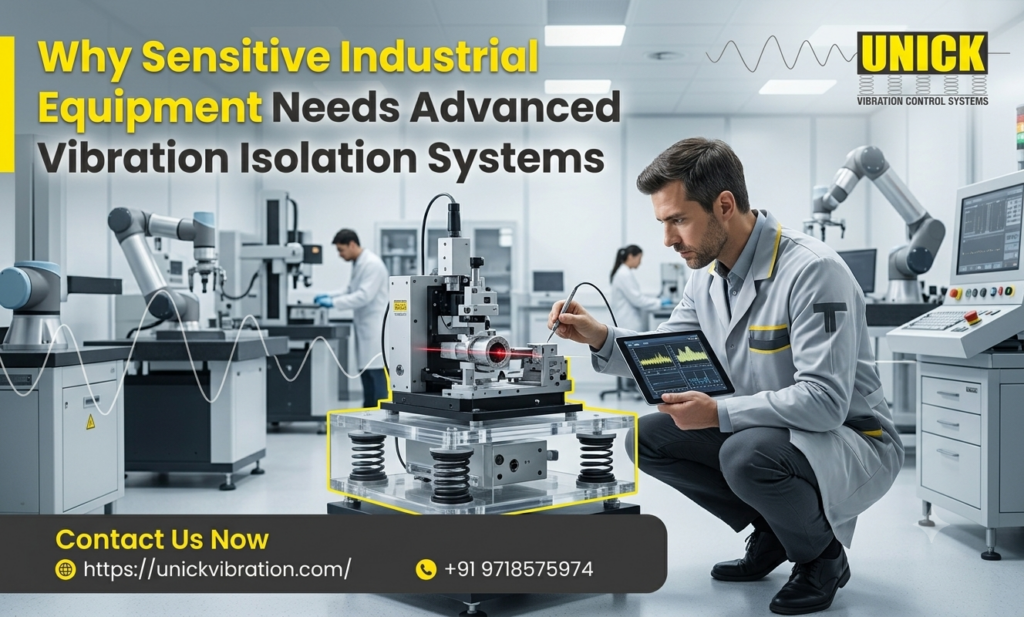
Modern industries rely on highly sensitive equipment where even the smallest vibration can affect performance, accuracy, and product quality. Whether the equipment is used for precision manufacturing, inspection, testing, or high-accuracy machining, vibration control plays a critical role. Choosing the best rubber air spring isolators helps minimize unwanted vibration, improve machine stability, and maintain consistent operational accuracy for demanding industrial applications. Why Do Sensitive Industrial Machines Need Vibration Isolation? Sensitive industrial equipment requires advanced vibration isolation because even low-level vibrations can reduce accuracy, affect measurement precision, increase component wear, and shorten equipment life. Proper vibration isolation systems absorb unwanted movement, providing stable machine performance and consistent production quality. Why Even Small Vibrations Matter Many industries believe only heavy machinery experiences vibration problems. In reality, sensitive industrial equipment is often affected by vibrations that are too small to notice but large enough to reduce performance. Common sources of vibration include: Nearby operating machinery Uneven factory floors Building vibrations Poor machine installation Continuous production activities Without proper isolation, these vibrations can reduce the reliability of precision equipment. Advanced Isolation for High-Precision Applications For applications requiring higher vibration control, Membrane Air Spring Isolators provide excellent isolation performance by minimizing vibration transmission between the machine and the floor. These isolators are designed for equipment that demands exceptional stability and precision. Key Benefits Superior vibration isolation Improved machine stability Better positioning accuracy Reduced structural vibration Longer equipment life Problems Caused by Poor Vibration Isolation Without an effective vibration isolation system, industries may experience: Reduced production accuracy Measurement errors Surface finish defects Increased maintenance Premature component wear Higher operating costs Reduced equipment reliability Even a minor vibration issue can affect productivity over time. How Advanced Vibration Isolation Improves Performance A properly selected vibration isolation system helps industries achieve consistent machine performance. Major Advantages Better operational stability Improved product quality Reduced vibration transfer Lower maintenance costs Extended equipment life Increased workplace safety Improved production efficiency Investing in the right isolation solution reduces long-term operational risks. Choosing the Right Vibration Isolation Solution Selecting the correct system depends on several factors: Equipment weight Operating frequency Required accuracy Installation environment Floor condition Vibration intensity Professional evaluation ensures that the selected isolation system delivers the best performance. Supporting Precision Manufacturing Operations Precision manufacturing requires machines to remain stable throughout every production cycle. High-quality vibration isolation systems also enhance the performance of anti vibration pads for CNC turning machines, helping maintain machining accuracy, reduce unwanted movement, and improve the quality of finished components. Combining proper machine levelling with effective vibration isolation creates a more reliable and productive manufacturing environment. Why Choose Unick Vibration Control Systems? Unick Vibration Control Systems (P) Limited manufactures advanced vibration isolation solutions for industrial applications across India. Our products are designed to help industries: Improve machine stability Reduce unwanted vibration Increase production accuracy Protect sensitive equipment Extend equipment service life Our experienced team recommends the most suitable vibration isolation solution based on machine specifications and operating conditions. Conclusion Sensitive industrial equipment performs best when vibration is properly controlled. Even small vibrations can reduce accuracy, increase maintenance costs, and affect production quality. By choosing advanced solutions such as Rubber Air Spring Isolators and Membrane Air Spring Isolators, industries can improve stability, protect valuable equipment, and achieve long-term operational efficiency.
Why Proper Machine Levelling Is More Important Than Most Industries Realize
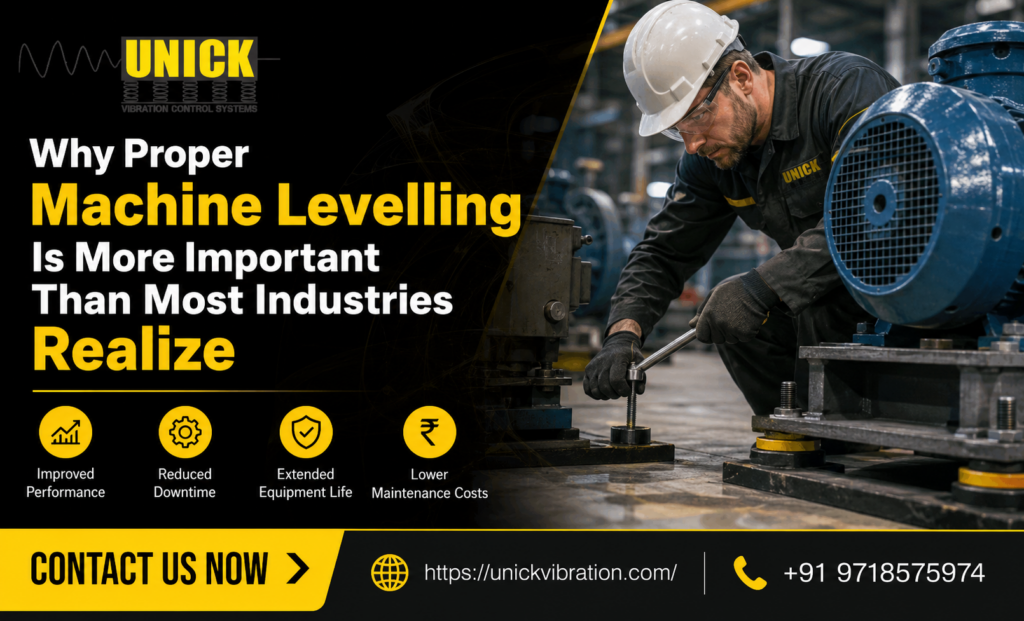
In industrial environments, machine installation is not complete just by placing equipment on the floor and connecting power. One of the most important steps that directly affects machine performance is proper machine levelling. Many industries experience vibration, accuracy problems, uneven wear, and frequent maintenance issues without realizing that the actual cause may be improper machine levelling. A machine that is not perfectly level does not distribute its load evenly. Over time, this creates additional stress on machine components and reduces operational efficiency. Using the correct levelling solution helps maintain stability, improve accuracy, and increase the service life of industrial equipment. Why Is Machine Levelling Important? Machine levelling is important because it ensures proper weight distribution, improves machine stability, reduces vibration, and maintains production accuracy. Improper levelling can cause uneven stress, alignment problems, increased component wear, and reduced equipment performance. What Happens When a Machine Is Not Level? A machine that is not properly level may appear to operate normally at first, but small installation errors can create major problems over time. Common issues include: Uneven load distribution Increased vibration Machine movement Reduced accuracy Component stress Poor production quality Higher maintenance requirements Proper levelling creates a stable foundation that allows machines to perform efficiently. Why Proper Machine Levelling Matters in Industrial Operations 1. Improves Machine Stability A properly levelled machine remains stable during operation. Benefits include: Reduced movement Better vibration control Improved operational safety Consistent performance Stable equipment also reduces stress on internal components. 2. Maintains Production Accuracy Even small alignment issues can affect manufacturing accuracy. Improper levelling may result in: Dimensional errors Poor surface finish Production inconsistencies Increased rejection rates Correct levelling helps maintain precise and reliable output. 3. Reduces Machine Vibration Uneven machine positioning can increase vibration during operation. Excessive vibration leads to: Faster wear Increased noise Component damage Higher maintenance costs Using proper levelling solutions helps reduce vibration transfer and improves machine performance. Common Signs Your Machine Needs Levelling Correction Industries should check machine levelling if they notice: Excessive vibration Machine rocking or movement Frequent alignment issues Uneven component wear Reduced product quality Increased maintenance frequency Unusual operating noise Ignoring these warning signs can result in expensive repairs and production losses. Common Causes of Machine Levelling Problems Machine levelling issues can occur due to: Uneven factory floors Incorrect installation Foundation settlement Worn mounting components Heavy operational loads Machine relocation Regular inspection helps identify these issues before they impact productivity. How Levelling Pads Help Heavy Machinery Performance For heavy industrial equipment, using suitable Levelling Pads for Heavy Machinery provides a stable and adjustable support system. Quality levelling pads help: Maintain accurate machine positioning Distribute machine weight evenly Improve stability Reduce vibration effects Protect the machine foundation Choosing the correct levelling solution based on machine weight and operating conditions is essential for long-term performance. Recommended Solutions for Better Machine Levelling Mach Levelling Mount Pads Mach Levelling Mount Pads are designed to provide stable support and accurate machine positioning. Benefits: Precise height adjustment Better machine alignment Improved load distribution Reduced vibration transmission Long service life These mounts are suitable for industries where accuracy and stability are important. Heighten Mount Pads Heighten Mount Pads help maintain proper machine height and stability, especially where floor conditions require adjustment. Advantages: Easy height adjustment Improved machine balance Better installation flexibility Reliable industrial performance Mistakes Industries Should Avoid Many machine performance problems occur because of incorrect levelling practices. Avoid: Installing machines without checking floor condition Using unsuitable mounting pads Ignoring periodic levelling checks Selecting products without considering load capacity Professional guidance helps industries select the right solution. Why Choose Unick Vibration Control Systems? Unick Vibration provides engineered vibration control and machine levelling solutions designed for industrial applications. Our products help industries achieve: Better machine stability Reduced vibration issues Improved operational efficiency Longer equipment life Reliable performance With technical expertise and quality-focused manufacturing, Unick Vibration helps industries select suitable levelling and vibration isolation solutions. Conclusion Proper machine levelling is not just an installation requirement; it is an important factor that affects productivity, accuracy, and equipment life. A machine that is not level can create vibration problems, increase maintenance costs, and reduce production efficiency. By using the right levelling solution, such as Mach Levelling Mount Pads and Heighten Mount Pads, industries can improve machine stability and ensure smooth long-term operation.
How to Select the Right Vibration Control Solution for Heavy Industrial Machinery
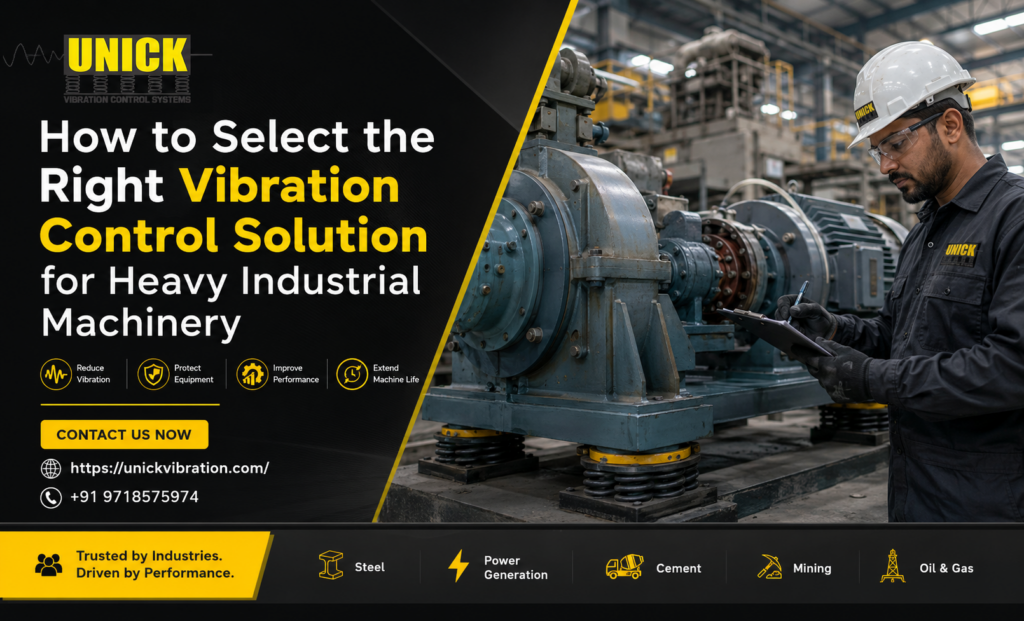
Heavy industrial machinery operates under extreme loads, continuous working cycles, and high operational forces. While these machines are designed for durability, excessive vibration can reduce accuracy, increase maintenance requirements, and affect overall productivity. Selecting the right heavy duty anti vibration pads solution is important to protect machinery, improve stability, and maintain efficient operations. However, choosing the wrong vibration isolation product can result in poor performance and unnecessary costs. This guide explains the key factors industries should consider before selecting the right vibration control solution for heavy machinery. How Do You Choose the Right Vibration Control Solution? The right vibration control solution for heavy industrial machinery depends on machine weight, vibration intensity, operating conditions, floor structure, and required stability. Properly selected anti vibration pads, mounts, or isolation systems help reduce vibration transfer, improve machine performance, and increase equipment life. Why Heavy Machinery Needs Vibration Control Heavy machines generate dynamic forces during operation. These forces create vibrations that can transfer to the machine structure, floor, and surrounding equipment. Without proper vibration isolation, industries may experience: Reduced machine accuracy Increased component wear Higher maintenance costs Poor production quality Excessive operational noise Shorter equipment lifespan A suitable vibration control solution helps manage these problems effectively Factors to Consider Before Selecting a Vibration Control Solution 1. Machine Weight and Load Capacity The first step is understanding the total weight of the machine. A vibration isolation product must have enough load capacity to support the equipment without losing performance. Consider: Machine weight Load distribution Operating forces Number of mounting points Using an unsuitable mount can lead to instability and poor vibration control. 2. Type and Level of Vibration Not every machine produces the same type of vibration. Some machines create: High-frequency vibration Heavy impact forces Continuous movement Rotational vibration The selected solution should match the vibration characteristics of the equipment. 3. Floor and Foundation Condition The installation surface plays an important role in vibration control. Uneven or weak flooring can increase vibration problems. Before installation, check: Floor strength Surface condition Machine positioning area Foundation stability A proper foundation combined with the right mounting solution provides better results. Common Vibration Control Solutions for Industrial Machinery Anti Vibration Pads Anti vibration pads help absorb unwanted vibration and reduce transmission between machinery and floor. Benefits: Improved stability Reduced vibration transfer Better machine performance Lower maintenance requirements Wedge Mount Pads Wedge mount pads are designed for applications requiring strong support, accurate levelling, and vibration reduction. Advantages: High load capacity Better machine alignment Improved stability Long service life Industries looking for a reliable wedge mount manufacturer in India should consider product quality, load capacity, and technical expertise before selection. Levelling Mounts and Pads Proper levelling is essential for heavy machinery performance. Levelling solutions help: Maintain machine balance Reduce stress on components Improve operational accuracy Rubber and Elastomer-Based Solutions Rubber-based vibration isolation products provide flexibility and effective damping for different industrial applications. They help control: Noise Shock Machine movement Vibration transmission Mistakes to Avoid While Choosing Vibration Control Solutions Many industries select vibration products only based on price, which can create performance issues. Avoid these mistakes: Choosing incorrect load capacity Ignoring machine operating conditions Selecting unsuitable material Not considering floor conditions Installing without technical guidance The right selection process ensures better performance and longer product life. Benefits of Using the Correct Vibration Control System A properly selected vibration control solution provides: Improved machine stability Better production accuracy Reduced downtime Lower maintenance expenses Extended equipment life Improved workplace conditions Consistent operational performance How Unick Vibration Handle the Issue? Unick Vibration Control Systems (P) Limited provides engineered vibration isolation solutions as the best anti vibration pads for machinery in India. Our solutions are developed to help industries reduce vibration problems, improve machine stability, and achieve reliable long-term performance. We provide: High-quality vibration control products Technical guidance for product selection Industrial application support Durable and reliable solutions Customized vibration isolation options With the right vibration control system, industries can improve productivity while protecting valuable machinery. Conclusion Selecting the right vibration control solution is not only about reducing vibration; it is about improving machine performance, protecting equipment, and reducing long-term operational costs. By considering machine weight, vibration level, installation conditions, and application requirements, industries can choose a solution that provides maximum stability and efficiency. A properly selected vibration isolation system helps heavy industrial machinery operate smoothly and reliably for years.
Why Floor Vibrations Are Reducing Machine Accuracy and How to Stop Them
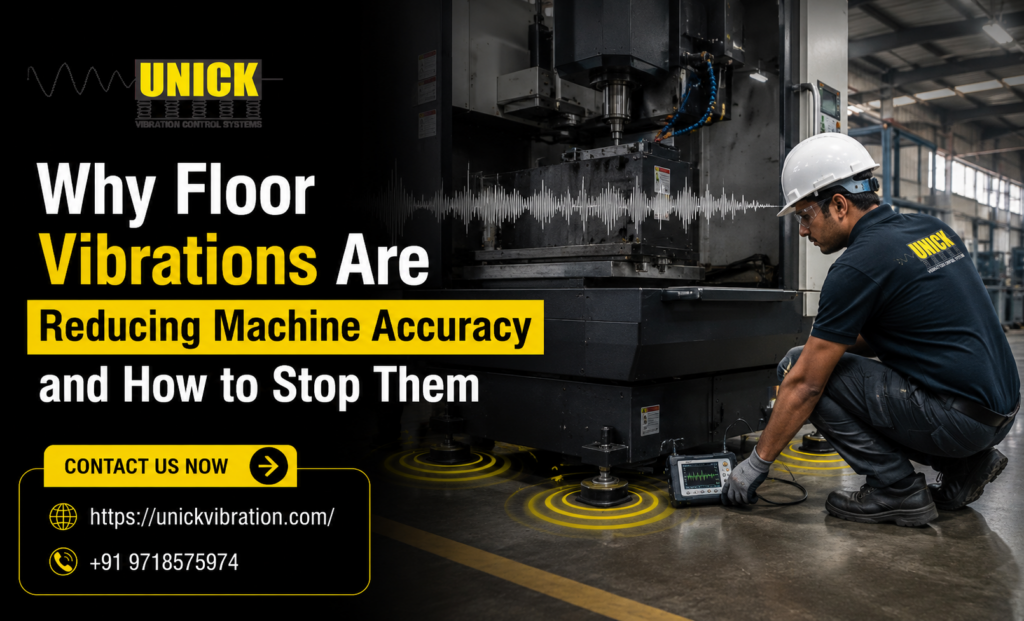
Industrial machines require a stable foundation to deliver accurate and consistent performance. However, many industries focus only on machine components and ignore one major factor that affects productivity: floor vibrations. When vibrations from machines transfer into the factory floor, they can create instability, reduce accuracy, increase wear, and affect the quality of finished products. Even small vibrations can create major problems in precision manufacturing environments. Understanding the causes of floor vibration and choosing the right industrial machine anti vibration pads solution can help industries improve machine performance and reduce unnecessary maintenance costs. How Do Floor Vibrations Affect Industrial Machines? Floor vibrations affect industrial machines by reducing stability, disturbing alignment, increasing component wear, and lowering production accuracy. These vibrations are often caused by heavy machine operation, weak foundations, uneven floors, or insufficient vibration isolation. Installing proper anti vibration solutions helps minimize vibration transfer and improves machine performance. What Causes Floor Vibrations in Industrial Facilities? Floor vibration usually occurs when operational forces generated by machinery transfer into the building structure. Common Causes Include: Heavy equipment operating continuously Uneven or weak factory flooring Improper machine installation Lack of vibration isolation Machine imbalance Poor load distribution Aging mounting systems When vibration is continuously transferred to the floor, it can affect nearby equipment and the overall working environment. How Floor Vibrations Affect Machine Performance Excessive floor vibration can create several operational challenges. 1. Reduced Machine Accuracy Vibration causes unwanted movement, which can affect precision and production consistency. Results: Dimensional errors Reduced product quality Increased rejection rate 2. Increased Machine Wear Continuous vibration puts additional stress on machine components. Effects: Faster component damage More frequent maintenance Reduced equipment lifespan 3. Poor Surface Finish and Production Quality For precision applications, even minor vibration can create defects and inconsistent results. 4. Higher Noise Levels Vibration transferred through floors often increases operational noise, creating an uncomfortable working environment. Signs Your Factory Has a Floor Vibration Problem Industries should investigate floor vibration issues if they notice: Machines moving during operation Increased vibration near equipment Unusual operating noise Frequent alignment problems Reduced machining accuracy Higher maintenance requirements Quality issues in finished products Early detection can prevent costly production losses. How to Reduce Floor Vibrations in Industrial Facilities The best solution depends on the machine type, operating conditions, and vibration intensity. 1. Use proper anti-vibration solutions Installing suitable vibration isolation products between the machine and the floor helps reduce vibration transmission. High-quality anti-vibration rubber pads are commonly used to absorb unwanted vibrations and improve machine stability. 2. Improve Machine Levelling Incorrect levelling increases stress and vibration transfer. Proper leveling solutions help the following: Maintain machine balance Improve stability Reduce movement 3. Check Foundation Conditions A stable foundation is essential for reliable machine operation. Industries should inspect: Floor strength Installation area Load-bearing capacity Benefits of Using Anti Vibration Rubber Pads Selecting the right vibration isolation solution provides multiple advantages: Reduced vibration transfer Improved machine stability Better production accuracy Lower maintenance costs Increased equipment life Reduced operational noise Improved workplace conditions For industries looking for reliable vibration control solutions, choosing an experienced anti-vibration rubber pads manufacturer in India helps ensure better product quality, durability, and application support. How Does the Unick Vibration Handle? Unick Vibration Control Systems (P) Limited provides engineered vibration control solutions designed for industrial applications. Our products help industries manage vibration challenges by providing: High-quality vibration isolation products Reliable industrial performance Technical support for selection Long service life solutions Customized vibration control assistance With proper vibration isolation, industries can improve productivity and protect valuable equipment from unnecessary stress. Conclusion Floor vibrations may appear like a small issue, but they can significantly impact machine accuracy, maintenance costs, and production quality. Ignoring vibration problems can lead to reduced efficiency and unexpected downtime. By identifying the source of vibration and installing the right isolation solution, industries can create a more stable production environment and improve long-term equipment performance.
Excessive Industrial Equipment Vibration? Here’s Why Your Mounting System Matters
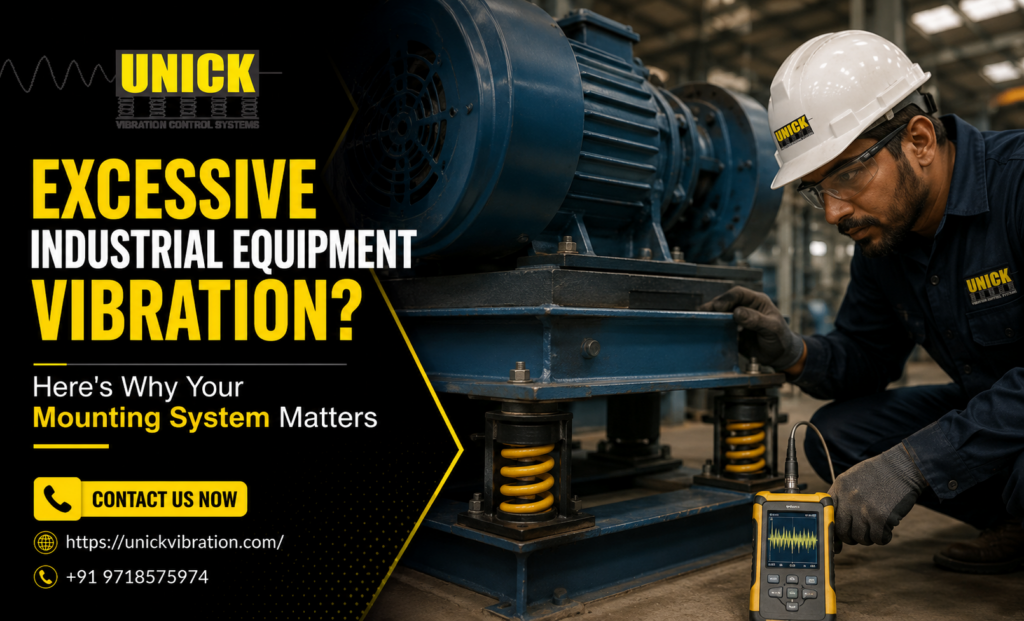
Industrial equipment is designed to operate efficiently under demanding conditions. However, if your equipment starts vibrating more than usual, it should never be ignored. Excessive vibration not only affects machine performance but also reduces production quality, increases maintenance costs, and shortens equipment life. Many industries immediately suspect motors, bearings, or machine components, but one of the most overlooked reasons is an improper or worn mounting system. Choosing the right engine mount supplier in India can significantly improve machine stability and long-term performance. Why Does Industrial Equipment Vibrate Excessively? Machine vibration is usually caused by one or more of the following issues: Improper machine installation Poor machine levelling Uneven factory floors Worn mounting systems Continuous heavy production loads Loose machine foundations Lack of vibration isolation If these issues are ignored, vibration gradually becomes more severe and starts affecting the entire production process. Signs That Your Mounting System May Be Failing Your mounting system should support the machine while absorbing unwanted vibration. If it starts failing, you may notice: Excessive machine movement Increased operating noise Poor product quality Surface finish defects Frequent machine maintenance Faster wear of machine components Reduced production accuracy Higher rejection rates These warning signs indicate that the mounting system should be inspected before major equipment damage occurs. How a Poor Mounting System Affects Your Business Ignoring machine vibration can lead to expensive operational problems. Common Consequences Reduced equipment efficiency Increased maintenance expenses Higher energy consumption Unexpected production downtime Premature component failure Shorter machine lifespan Increased operating costs Preventing these problems is usually much more cost-effective than repairing damaged machinery. How the Right Mounting System Solves the Problem A properly selected mounting solution isolates vibration before it spreads throughout the machine and factory floor. Benefits of Quality Mounting Systems Improved machine stability Better production accuracy Reduced vibration transmission Lower maintenance costs Longer equipment life Improved operator safety Consistent production quality Choosing the right mounting system is an investment in long-term operational reliability for anti vibration pads for CNC machines. Choosing the Right Mounting Solution Every industrial application has different requirements. Before selecting a vibration isolation solution, consider: Machine weight Load distribution Operating environment Floor condition Vibration intensity Required machining accuracy Selecting a solution based on these factors ensures better long-term performance. Why Quality Engine Mounts Matter In industrial applications, engine mount pads help isolate vibration, reduce mechanical stress, and improve equipment stability. Choosing products from an experienced engine mount and wedge mount manufacturer in India ensures better load handling, longer service life, and reliable performance in demanding industrial environments. High-quality mounting solutions also reduce maintenance requirements and help maintain production efficiency over time. How to handle Unick Vibrations with Our Pads? Unick Vibration manufactures engineered vibration isolation solutions for industrial machinery across India. Our products are designed to improve machine stability, reduce unwanted vibration, and support long-term equipment performance. We offer: Engineered vibration control solutions High-quality industrial products Technical consultation Reliable machine support Long-lasting performance Our team helps industries choose the most suitable mounting solution based on machine load, operating conditions, and vibration challenges. Conclusion Excessive industrial equipment vibration is often a warning sign that should not be ignored. While many factors contribute to vibration, the mounting system plays a critical role in maintaining machine stability and protecting valuable equipment. Inspecting your mounting system regularly and choosing high-quality vibration isolation solutions can improve production accuracy, reduce maintenance costs, and extend equipment life. Investing in the right mounting solution today can prevent costly breakdowns tomorrow.
Signs Your Industrial Machine Mounts Need Replacement Before a Costly Breakdown
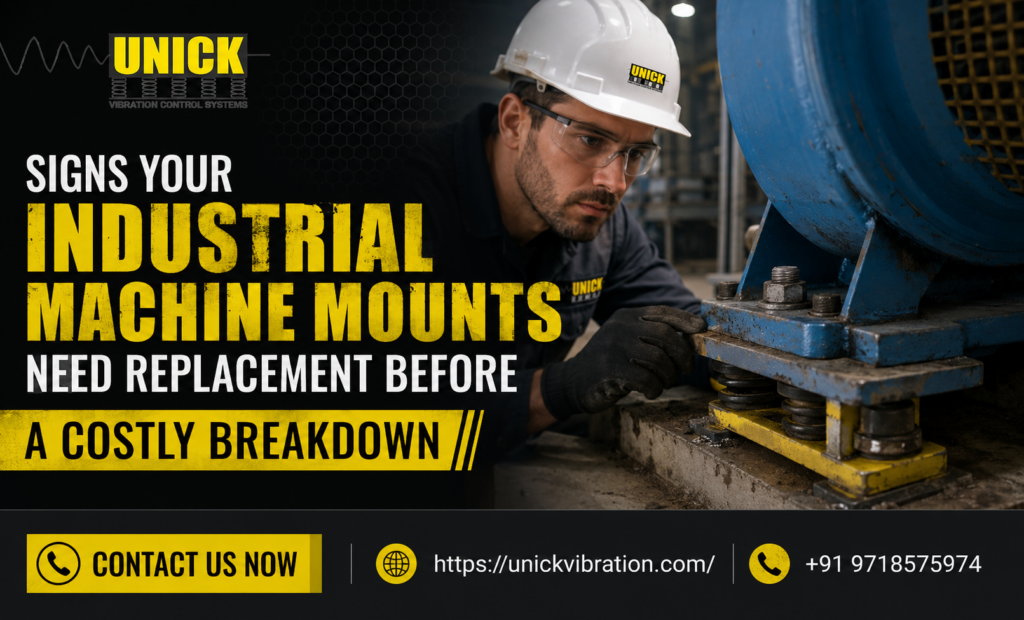
Industrial machines are designed to operate continuously under heavy loads, high speeds, and demanding production environments. While most businesses regularly inspect motors, bearings, and cutting tools, one important component is often overlooked. Machine mounts play a critical role in supporting equipment, reducing vibration, maintaining alignment, and protecting both the machine and the factory floor. Over time, however, these mounts naturally wear out due to constant vibration, heavy loads, and environmental conditions. Ignoring damage to heavy-duty sandwich mounts manufacturer can lead to excessive vibration, poor product quality, unexpected downtime, and expensive repairs. In this guide, you’ll learn how to identify worn machine mounts, understand the risks of delaying replacement, and choose the right mounting solution before a small issue turns into a major breakdown. How Do You Know When Industrial Machine Mounts Need Replacement? Industrial machine mounts should be replaced when they show signs such as excessive vibration, unusual noise, machine movement, uneven levelling, visible cracks, rubber deterioration, loose mounting, or declining production accuracy. Replacing worn mounts at the right time improves machine stability, reduces maintenance costs, and extends equipment life. What Are Industrial Machine Mounts? Industrial machine mounts are engineered components installed beneath machinery to: Support machine weight Absorb operational vibration Reduce noise transmission Maintain machine alignment Protect floors and foundations Improve production stability Although machine mounts are designed for long-term performance, they are not lifetime components and should be inspected regularly. Why Machine Mounts Wear Out Several factors contribute to the gradual deterioration of machine mounts. Common Reasons Continuous machine vibration Heavy production loads Long operating hours Improper installation Chemical or oil exposure Moisture and environmental conditions Lack of preventive maintenance As these factors accumulate, the mounts lose their ability to absorb vibration effectively. 10 Warning Signs Your Machine Mounts Need Replacement 1. Excessive Machine Vibration One of the earliest and most noticeable signs is increased vibration during normal operation. What Happens? The machine shakes more than before Vibrations spread to the surrounding floor The equipment feels less stable 2. Unusual Noise During Operation Worn mounts can no longer isolate vibration effectively. Common Symptoms Rattling sounds Increased operating noise Metal-to-metal vibration 3. Machine Movement A properly mounted machine should remain stable. If the machine begins shifting, rocking, or moving during operation, the mounts may have lost their strength. 4. Uneven Machine Levelling Damaged mounts can cause the machine to sit unevenly. Possible Effects Reduced machining accuracy Poor production consistency Increased stress on machine components 5. Visible Cracks or Damage A visual inspection often reveals obvious wear. Check For Cracks Tears Compressed rubber Broken metal parts Corrosion Any visible damage should be addressed immediately. 6. Increased Maintenance Frequency If maintenance costs are rising without any major mechanical fault, worn machine mounts could be contributing to the problem. 7. Poor Product Quality Excessive vibration affects production consistency. You may notice: Dimensional variation Surface finish problems Increased rejection rates 8. Loose Mounting Components Loose bolts or unstable mounting points indicate that the mounting system is no longer performing effectively. 9. Foundation Vibration If nearby floors or structures begin vibrating more than usual, the machine mounts may no longer be isolating vibration properly. 10. Reduced Equipment Life Ignoring worn mounts increases stress on bearings, shafts, and structural components, leading to premature equipment wear. What Happens If You Don’t Replace Worn Machine Mounts? Delaying replacement can create much larger operational problems. Possible Consequences Higher maintenance expenses Increased machine downtime More frequent repairs Reduced production quality Excessive energy consumption Shorter equipment lifespan Increased safety risks Higher operating costs Replacing mounts at the right time is far less expensive than repairing damaged machinery. How Often Should Machine Mounts Be Inspected? There is no universal replacement schedule because operating conditions vary. However, industrial facilities should: Inspect machine mounts during routine maintenance Check for visible damage every few months Monitor vibration levels regularly Replace worn mounts before complete failure occurs Preventive inspection reduces unexpected downtime. Choosing the Right Machine Mount Replacement Not all machine mounts are suitable for every industrial application. When selecting a replacement, consider: Machine Weight Choose mounts with adequate load capacity. Vibration Level Higher vibration applications require stronger isolation performance. Operating Environment Heat, oil, moisture, and chemicals can affect a mount’s lifespan. Production Requirements Stable mounting improves accuracy and consistency. Recommended Mounting Solutions Selecting the correct mounting solution helps maintain machine stability and improve equipment performance. spring pads for heavy machine are designed for industrial environments where reliable vibration isolation and load support are essential. Key Benefits Excellent vibration absorption Improved machine stability Long service life High load-bearing capacity Reduced maintenance Better equipment protection They are an ideal solution for industries seeking durable and dependable machine mounting performance. Expert Tips to Increase Machine Mount Life Follow these best practices: Inspect mounts regularly Replace damaged mounts promptly Maintain proper machine levelling Avoid overloading equipment Monitor vibration trends Keep mounting areas clean and secure Routine maintenance extends machine life and protects valuable equipment. Why Choose Unick Vibration Control Systems? At Unick Vibration, we manufacture engineered vibration isolation and mounting solutions designed to improve machine stability and reduce vibration across industrial applications. Our technical team helps customers select the right mounting solution based on operating conditions, load requirements, and vibration levels. We focus on delivering the following: High-quality engineered products Reliable industrial performance Long product life Technical consultation Customized vibration isolation solutions Conclusion Machine mounts may seem like small components, but they have a significant impact on machine performance, accuracy, and maintenance costs. By recognizing the early warning signs of mount failure and replacing worn components on time, industries can prevent costly breakdowns, improve productivity, and protect long-term equipment performance. Investing in quality mounting solutions is an investment in reliable manufacturing.
Why Does Machine Alignment Fail Even After Installation? Common Causes and Fixes
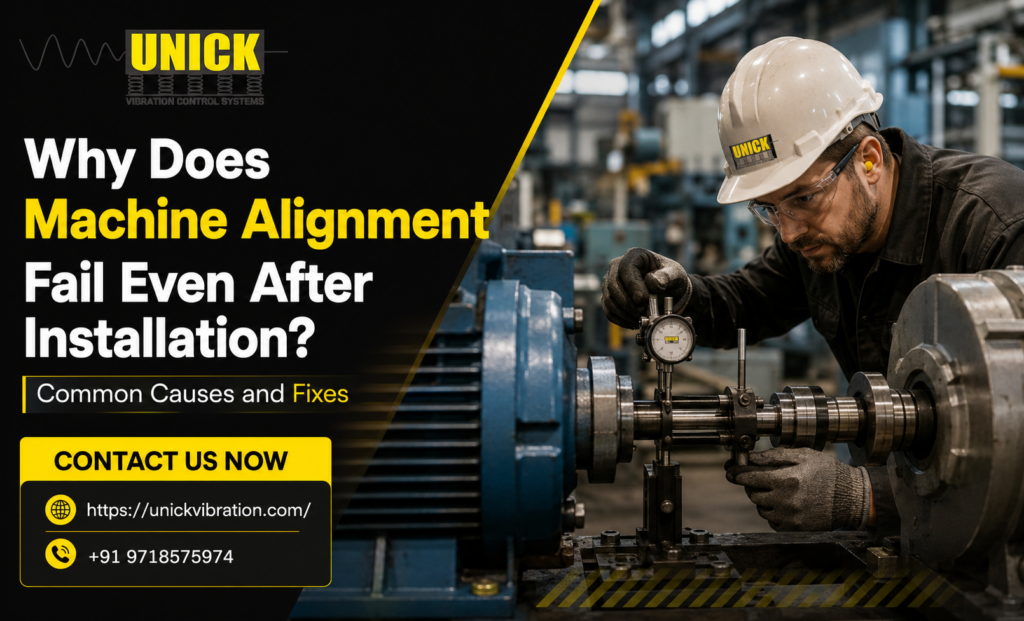
Many industries assume that once a machine is installed and aligned, it will continue operating accurately for years. Unfortunately, this is not always true. Machines can gradually lose their alignment because of vibration, uneven load distribution, poor installation practices, foundation movement, or unsuitable mounting systems. When alignment fails, the machine may start producing inaccurate components, create excessive vibration, increase maintenance costs, and reduce production efficiency. The good news is that most alignment problems can be prevented by identifying the root cause and using the correct machine support and industrial vibration pads for machinery in India. Why does machine alignment fail after installation? Machine alignment usually fails because of continuous vibration, improper machine levelling, weak foundations, uneven load distribution, worn mounting systems, or incorrect installation practices. These issues can reduce machining accuracy, increase component wear, and shorten equipment life. Using properly engineered machine mounting solutions helps maintain alignment and improve long-term machine stability. What is Machine Alignment? Machine alignment means positioning industrial equipment correctly so that it operates smoothly, accurately, and without unnecessary stress. Proper alignment ensures that the machine remains stable during operation and maintains production quality over time. Even a small alignment error can affect productivity and increase operating costs. Why Proper Machine Alignment Matters Correct machine alignment offers several long-term advantages. Benefits Better production accuracy Improved machine stability Reduced vibration Longer component life Lower maintenance costs Better product quality Increased operational efficiency Improved workplace safety 7 Common Reasons Machine Alignment Fails 1. Improper Machine Installation If the machine is not installed correctly during commissioning, alignment problems begin immediately. Common Issues Uneven positioning Incorrect tightening Poor load distribution 2. Continuous Machine Vibration Continuous vibration slowly shifts the machine position over time. Effects Machine movement Loss of precision Higher maintenance 3. Uneven Factory Floor A weak or uneven floor cannot properly support heavy machinery. Problems Machine settlement Uneven loading Stability issues 4. Poor Machine Levelling Improper levelling places unnecessary stress on the machine frame. This affects machining accuracy and increases vibration. 5. Worn-Out Machine Mounts Machine mounts naturally wear after years of operation. Signs include: Excessive vibration Visible movement Increased noise Frequent realignment 6. Dynamic Production Loads Heavy production cycles generate continuous forces that slowly change machine positioning. 7. Lack of Proper Vibration Isolation Machines installed directly on concrete floors often transfer vibration into the foundation, affecting long-term alignment. Warning Signs Your Machine Has Lost Alignment Watch for these symptoms before they become expensive problems. Common Signs Machine vibration increasing Poor product quality Surface finish issues Increased machine noise Frequent maintenance Machine movement Faster tool wear Higher rejection rates Inconsistent production How to Prevent Machine Alignment Problems Most alignment failures are preventable. Best Practices Install the Machine Correctly Professional installation creates a strong foundation for long-term performance. Ensure Proper Machine Levelling Accurate levelling keeps the machine stable throughout production. Use the Right Mounting Solution Selecting the correct mounting system improves stability and reduces vibration. Inspect Machine Mounts Regularly Replace worn mounts before they begin affecting machine performance. Perform Periodic Alignment Checks Routine inspections help detect small problems before they become major failures. Which Mounting Solution Helps Maintain Machine Alignment? One of the biggest reasons for alignment failure is using an unsuitable mounting system. Properly engineered wedge mount pads provide the following: Benefits Excellent machine stability Accurate machine levelling Better load distribution Reduced vibration Long-term alignment retention Lower maintenance requirements Choosing the correct mounting solution with wedge mount manufacturer in India helps machines remain aligned for years under normal operating conditions. What Happens If Alignment Problems Are Ignored? Ignoring alignment issues often leads to expensive downtime. Possible Consequences Reduced production quality Increased maintenance costs Frequent breakdowns Higher energy consumption Premature component failure Reduced equipment life Increased production losses Early correction is always more economical than major repairs. Expert Tips to Maintain Long-Term Machine Alignment Best Practices Inspect mounting systems regularly. Monitor vibration levels. Check foundation condition. Verify machine levelling during maintenance. Replace worn mounting components on time. Train operators to identify early warning signs. Why Industries Choose Unick Vibration Control Systems Machine alignment is not only about installation; it also depends on using reliable mounting and vibration control solutions. At Unick Vibration, we manufacture engineered vibration isolation and machine mounting solutions that help industries maintain long-term machine stability, reduce vibration, and improve operational efficiency. Our technical team helps customers choose the right mounting solution based on machine weight, installation conditions, and operational requirements. Conclusion Machine alignment problems rarely happen overnight. They usually develop gradually due to vibration, improper levelling, unsuitable mounting systems, and foundation-related issues. By identifying these causes early and selecting the correct engineered mounting solution, industries can reduce maintenance costs, improve production accuracy, and significantly extend equipment life. Proper alignment is not just about installation; it is an investment in long-term productivity and machine reliability.
Industrial Anti Vibration Pads Buying Guide: Everything You Need to Know
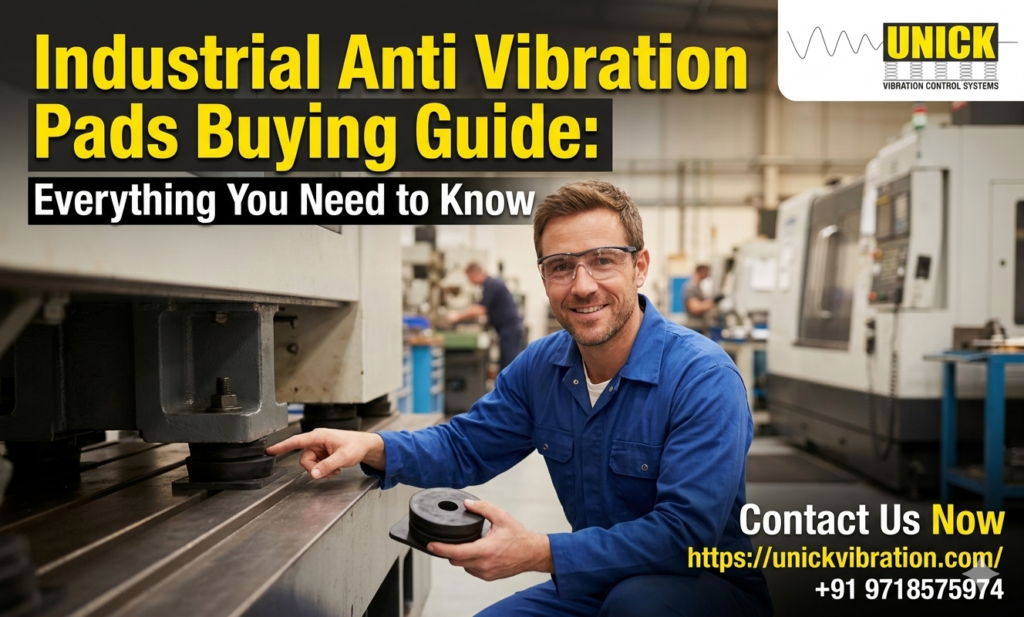
Industrial machinery experiences continuous stress during operation. Equipment such as CNC machines, power presses, DG sets, pumps, and plastic injection moulding machines generates industrial anti vibration that can affect machine performance and increase maintenance requirements. To overcome these challenges, industries increasingly rely on anti-vibration pads. Utilizing high-quality industrial machine anti vibration pads serves as an engineered solution to help absorb shocks, reduce machine movement, and improve equipment stability. However, selecting the right anti-vibration pads requires careful evaluation of several important factors. This buying guide explains everything you need to know before choosing anti-vibration solutions for industrial applications. What Are Industrial Anti Vibration Pads? Anti-vibration pads are specially designed products installed beneath industrial machinery to absorb vibrations and minimize their transmission to floors and surrounding structures. These solutions improve machine stability and protect equipment from vibration-related damage. Why Are Anti Vibration Pads Important? Excessive vibration can cause various operational problems. Common Issues Include: Frequent machine breakdowns Reduced production accuracy Higher maintenance costs Excessive machine noise Foundation damage Premature component failure Reduced equipment life Lower productivity Installing the right anti-vibration solution helps industries eliminate these issues and improve overall performance. Factors to Consider Before Buying Anti Vibration Pads Machine Weight Different machines require different load capacities. Always select pads designed for your machine’s weight and operating conditions. Type of Machine Every machine generates vibration differently. For example: CNC Machines require precision and stability. Power Press Machines require high shock absorption. DG Sets require effective vibration and noise reduction. Operating Environment Consider installation conditions such as: Ground floor installations Mezzanine floor applications Continuous heavy-duty operations High-speed machinery environments Vibration Intensity Machines generating high-impact vibrations may require spring pads, while precision equipment may perform better with levelling mounts or wedge mounts. Product Quality High-quality anti-vibration products deliver better performance, longer service life, and lower maintenance requirements. Types of Industrial Anti Vibration Solutions Spring Pads Spring pads for heavy machines are ideal for high-impact applications. Wedge Mounts Perfect for precision machinery requiring machine levelling and stability. Levelling Mounts Designed for machines requiring proper alignment and load distribution. Rubber Air Spring Isolators Suitable for applications requiring superior vibration isolation. Benefits of Installing Anti Vibration Pads Major Benefits Include: Reduced machine vibration Improved machine stability Better production accuracy Lower maintenance costs Reduced noise levels Enhanced operator comfort Increased equipment lifespan Higher productivity Industries Using Anti Vibration Pads Anti-vibration solutions are extensively used in: CNC Manufacturing Industry Automotive Industry Plastic Industry Printing Industry Textile Industry Packaging Industry Pharmaceutical Industry Power Generation Industry Conclusion Selecting the right industrial anti-vibration pads is essential for improving machine performance and reducing operating costs. Factors such as machine weight, vibration levels, installation environment, and application requirements should always be considered before making a purchase decision. By choosing a reliable anti vibration rubber pads supplier in India, businesses can access high-quality products tailored to their specific needs. Investing in the right vibration isolation solution not only protects equipment but also enhances productivity and ensures long-term operational efficiency. Unick Vibration manufactures technologically advanced anti-vibration solutions for all types of industrial machinery, helping industries improve stability, reduce maintenance costs, and extend equipment life.