Industrial Anti Vibration Spring Pads Supplier in India
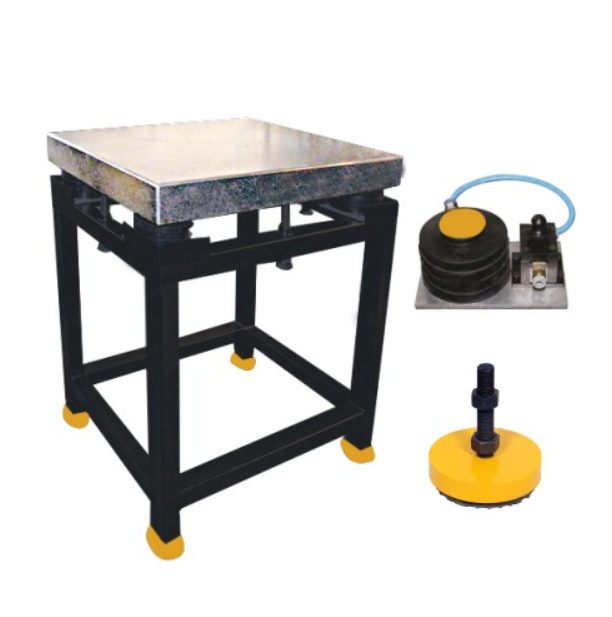
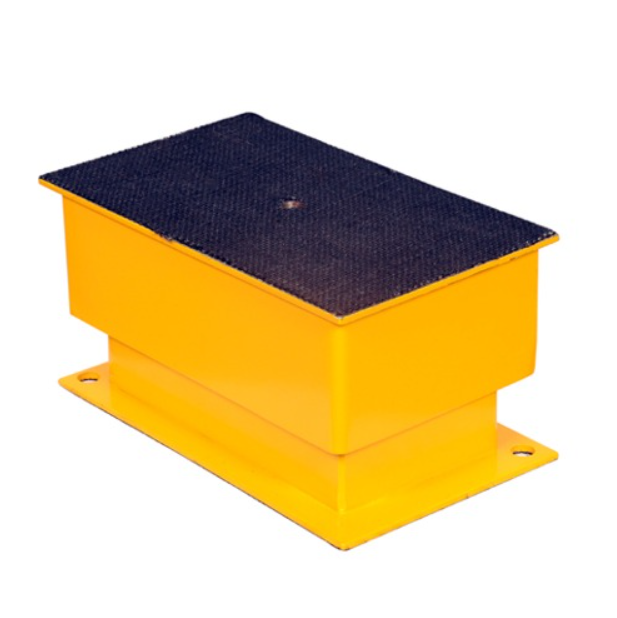
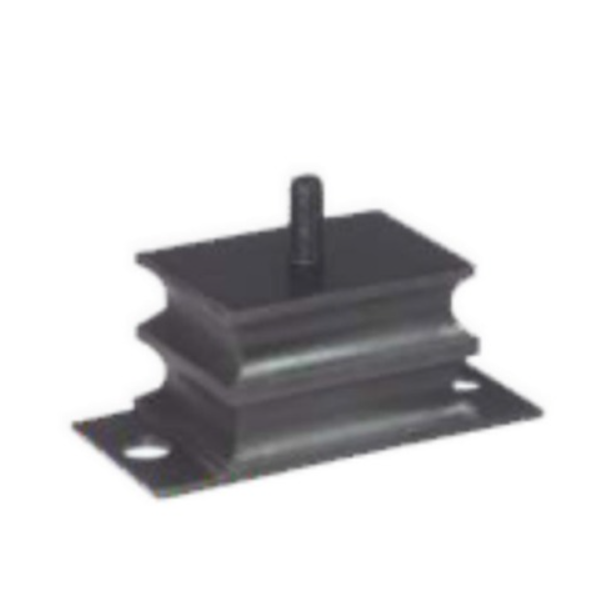
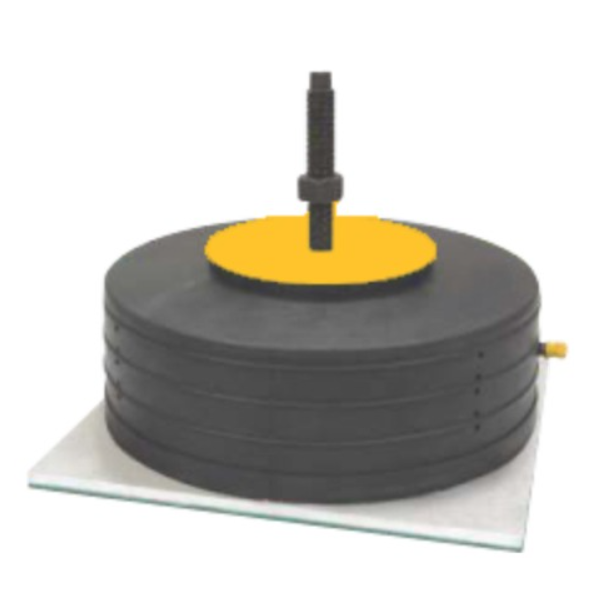
Selecting an Industrial Anti Vibration Spring Pads Supplier in India requires more than comparing product dimensions and prices. The correct spring pad must match the machine’s operating speed, weight, centre of gravity and vibration pattern. A properly selected isolation system can reduce the transfer of vibration to the floor, nearby equipment and surrounding work areas. Industrial machines generate vibration through rotating, reciprocating or impact-based movement. If this vibration passes into the supporting structure, it may cause excessive noise, unstable operation, discomfort for workers and disturbance to sensitive equipment. Spring-based isolation pads create a flexible barrier between the machine and its foundation, helping control this unwanted transmission. How Do Spring Pads Control Industrial Vibration? An anti-vibration spring pad normally uses steel springs, damping material and a supporting base. The spring compresses under the machine load and allows controlled movement rather than passing the full vibration force directly into the floor. The effectiveness of the pad depends on the relationship between the machine’s operating frequency and the natural frequency of the isolation system. Better isolation is generally achieved when the natural frequency of the spring mounting is sufficiently lower than the disturbing frequency produced by the machine. The damping component also plays an important role. Springs can store and release energy, which may cause excessive movement during machine start-up, shutdown or resonance. A suitable damping arrangement helps control this motion and allows the equipment to settle more quickly. Industrial Anti Vibration Spring Pads Supplier in India A supplier should understand the machine application before recommending a particular model. Two machines with similar weights may still require different pads because their operating speeds, vibration forces and weight distribution can differ. Useful information to share with the supplier includes: Total machine weight Number of mounting points Load carried by each mounting location Operating and rotational speed Type of movement produced by the machine Required spring deflection Available installation space Condition of the supporting floor Need for levelling or anchoring A responsible supplier should use these details to determine the required load capacity and suitable spring stiffness. Choosing a pad only by its maximum load rating may result in insufficient deflection or uneven machine support. Common Industrial Applications Spring vibration isolators are used where machines generate continuous low-frequency vibration or where vibration transfer must be carefully controlled. Common applications include: HVAC Equipment Chillers, air-handling units, cooling towers, blowers and large fans can transmit vibration through floors, walls and connected ductwork. Spring pads help separate the equipment from the building structure. Generators and Compressors Generators and industrial compressors can produce both vibration and structural noise. Properly selected spring mountings help reduce the amount of mechanical energy transferred to the foundation. Pumps and Motor Assemblies Misalignment, rotation and fluid movement can create vibration in pump systems. Spring isolation may be considered when the equipment speed, base frame and connected piping allow controlled movement. Presses and Processing Machines Some production machines generate repeated dynamic forces during operation. The isolation arrangement must be selected according to the force pattern, machine stability and acceptable movement. Laboratory and Precision Equipment Sensitive measuring instruments may be affected by vibration coming from nearby machinery, building services or foot movement. Isolation systems can help create a more stable working surface when selected for the actual vibration conditions. Need Help Choosing Spring Pads? 𝐀𝐬𝐤 𝐚𝐧 𝐄𝐱𝐩𝐞𝐫𝐭 Important Factors When Selecting Spring Pads Load Capacity The total machine weight should not simply be divided equally unless the weight is evenly distributed. Motors, gearboxes and other components can place more load on certain mounting points. Each pad should be selected for the actual load it will carry. Spring Deflection Deflection is the amount by which a spring compresses under load. It affects the natural frequency and isolation performance of the system. Both insufficient and excessive deflection can create performance or stability problems. Operating Frequency The machine speed helps determine whether spring isolation is suitable. Low-speed equipment may require a different spring arrangement from high-speed rotating machinery. Damping Requirement Damping helps control excessive movement when the equipment starts, stops or passes through resonance. The required damping level depends on the machine type and operating conditions. Machine Stability A high centre of gravity, uneven base or moving components can affect stability. The isolation system must control vibration without allowing unsafe movement or rocking. Environmental Conditions Exposure to oil, water, chemicals, heat, dust or outdoor weather can influence material selection. Protective coatings and suitable damping materials may be required in demanding environments. Manufacturer and Supplier: Understanding the Difference An Industrial Anti Vibration Spring Pads Manufacturer in India may offer standard models as well as products designed for particular load ranges, deflection requirements or installation conditions. A supplier may provide access to these products while also assisting with selection, availability and delivery. The important point is not the label alone. Buyers should check whether the company can review technical information, explain the product’s rated capacity and recommend a suitable configuration for the application. Installation Considerations Even a correctly selected spring pad may not perform properly if it is installed incorrectly. The machine base should be structurally sound, and the supporting surface should be level and capable of carrying the combined load. All mounting points should receive the intended load. Uneven compression may indicate poor weight distribution, an irregular foundation or incorrect adjustment. Connected pipes, ducts and cables should also be checked because rigid connections can create an alternative path for vibration. After installation, the machine should be observed during start-up, normal operation and shutdown. Excessive movement, unusual noise or uneven spring compression should be investigated before continuous use. Inspection and Maintenance Spring pads should be inspected periodically as part of the machine maintenance schedule. The inspection can include: Uneven spring compression Loose fasteners Corrosion or coating damage Cracked or worn damping material Changes in machine level Contact between isolated and fixed components Increased vibration or structural noise Maintenance requirements depend on the operating environment and machine duty. Equipment exposed to moisture, chemicals or continuous heavy loads may need more frequent
How Can Anti Vibration Pads Reduce Machine Vibration?
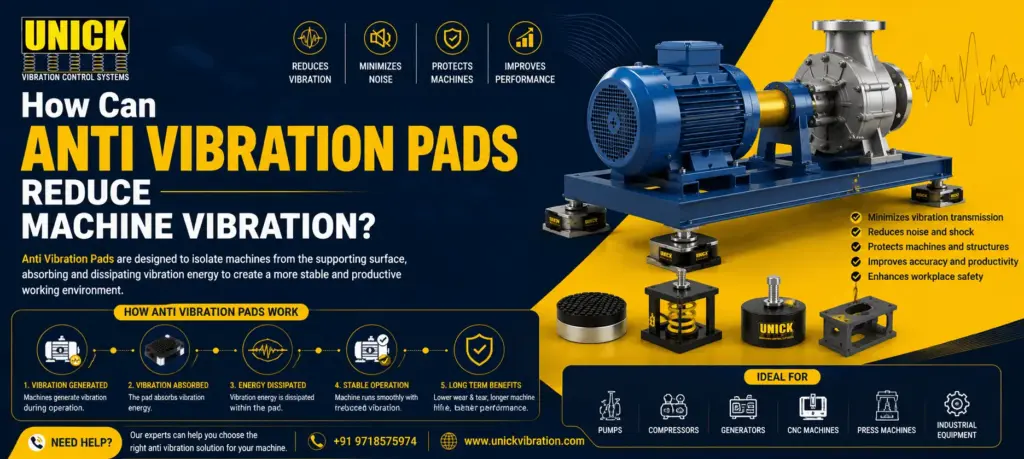
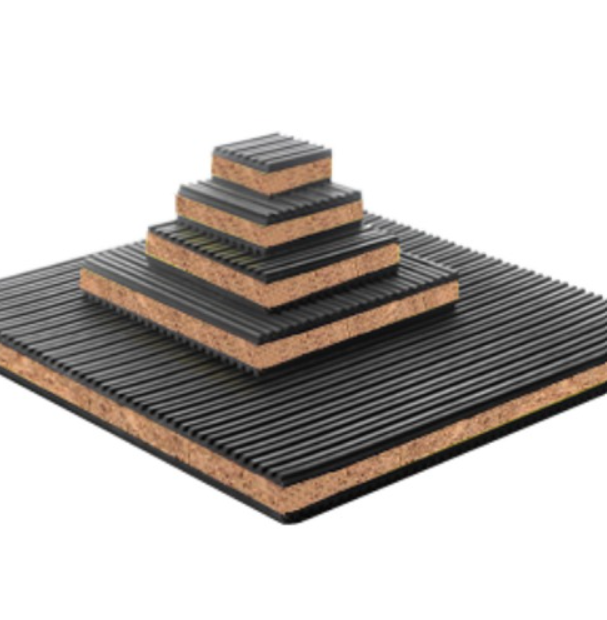
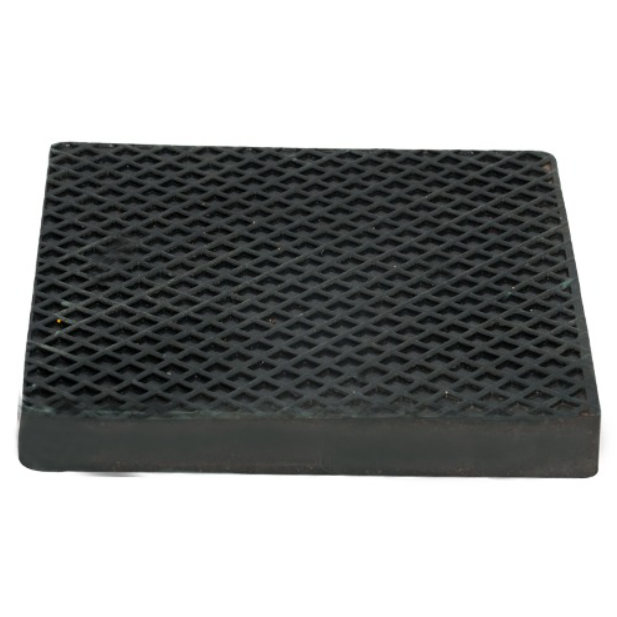
Machine vibration is a common concern in factories, workshops, and industrial facilities where equipment operates continuously. How Can Anti Vibration Pads Reduce Machine Vibration is a common question among business owners dealing with excessive movement, noise, or vibration transfer from machinery to the floor. Properly selected anti vibration pads can create a stable interface between the machine and its foundation while helping control unwanted vibration during operation. How Can Anti Vibration Pads Reduce Machine Vibration Machines naturally produce vibration when motors, rotating components, pumps, compressors, presses, and other mechanical equipment are running. However, excessive vibration may occur because of unbalanced components, incorrect installation, uneven flooring, poor alignment, or worn mechanical parts. Anti vibration pads work by creating a resilient layer between the machine and the supporting surface. Instead of allowing mechanical energy to transfer directly into the floor, the pad absorbs and isolates part of the vibration. This can reduce vibration transmission through the foundation and help the equipment operate with greater stability. The performance of a vibration isolation pad depends on several factors, including machine weight, operating speed, mounting arrangement, vibration characteristics, and foundation conditions. A pad suitable for one application may not provide the same results for another. Therefore, selection should be based on the actual requirements of the equipment rather than simply choosing the thickest or hardest pad. What Causes Excessive Machine Vibration? Understanding the source of vibration is important before installing any isolation solution. Unbalanced rotating parts are a common cause, while damaged bearings, loose fasteners, worn couplings, and misalignment can also create excessive movement. An uneven or weak foundation can make the situation worse by preventing the machine from receiving consistent support at every mounting point. In some cases, vibration may also increase because the machine is operating outside its intended speed or load range. Vibration control pads can help control vibration transmission, but they should not be used as a replacement for mechanical maintenance. If vibration suddenly increases, the machine should first be inspected for an underlying fault. Benefits of Vibration Isolation for Industrial Machinery One major benefit of vibration isolation is improved machine stability. When equipment remains properly supported during operation, unwanted movement can be reduced. This is particularly useful for machinery that operates for long periods or requires consistent positioning. Reducing vibration transmission can also help protect nearby equipment and the surrounding structure. Continuous vibration passing through a factory floor may affect adjacent machines and create additional noise or disturbance in the workplace. Vibration control may also help reduce unnecessary mechanical stress. Excessive movement can place additional stress on bearings, fasteners, couplings, joints, and other components. While isolation pads cannot repair damaged parts, they can contribute to a more stable installation when the equipment itself is properly maintained. How to Choose the Right Anti Vibration Pad Choosing the correct pad requires more than knowing the machine’s total weight. The load carried by each mounting point should also be considered because the weight may not be distributed equally. Operating speed, machine type, foundation condition, and the nature of the vibration are other important factors. Material, thickness, load capacity, and compression characteristics can vary between different pad designs. For heavy industrial machinery, the selected pad should have an appropriate load-bearing capacity without compromising the required vibration isolation. If the floor is significantly uneven or damaged, the foundation should be addressed before depending on isolation pads to solve the problem. Unick Vibration provides Anti Vibration Pads for Heavy Machinery for different industrial applications, but the most suitable product should always be selected according to the machine’s operating requirements and installation conditions. Installation and Maintenance Considerations Correct installation is essential for effective vibration control. The machine should be positioned properly, and each mounting point should have firm and consistent contact with the pad and supporting surface. Uneven loading can reduce stability and affect the performance of the isolation system. Regular inspection is equally important. Businesses should check for uneven compression, pad deterioration, loose mounting components, unexpected machine movement, or changes in vibration levels. For suitable heavy-duty applications, businesses can consider vibration-control products such as Spring Pads, Levelling Pads, Sandwich Mounts, Stud Mounts, Rubber Cork Pads, Anchoring Systems, Elastomeric Pads, Insulation Sheets, and Wedge Mounts, depending on the machine’s load, operating conditions, and installation requirements. Conclusion Excessive machine vibration can affect equipment stability, component life, operating comfort, and the surrounding foundation. Anti vibration pads provide a practical method of reducing vibration transmission by creating an isolation layer between machinery and its supporting surface. The right solution depends on machine weight, operating conditions, mounting arrangement, and foundation quality. Proper installation and periodic inspection are also important for maintaining long-term performance. For demanding industrial applications, businesses can evaluate Heavy Duty Anti Vibration Pads for Machinery India and choose a solution that matches the actual requirements of their equipment.
How to Resolve Machine Alignment Problems Using Levelling Pads
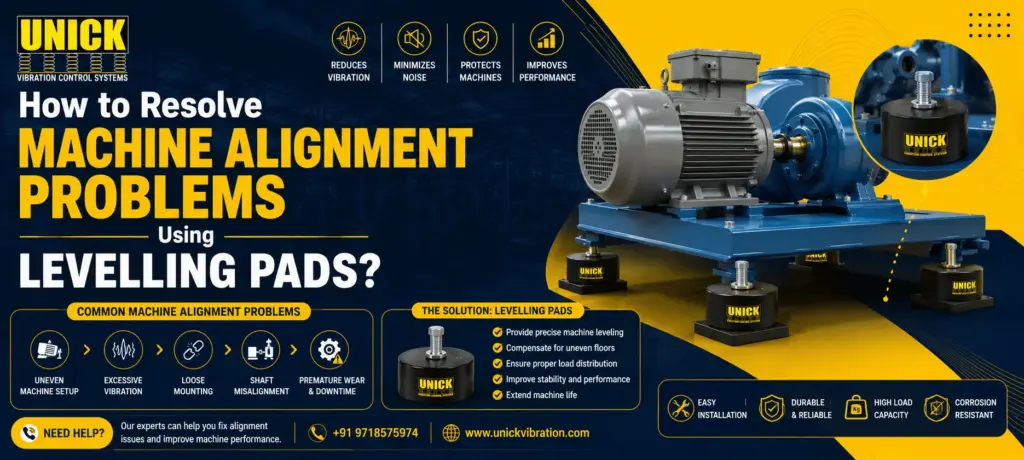
Machine alignment plays an important role in the safe and efficient operation of industrial equipment. Even a small difference in machine height or uneven contact with the floor can affect performance, increase vibration, and cause premature wear. How to Resolve Machine Alignment Problems often starts with identifying whether the machine is properly supported and levelled. Levelling pads provide a practical way to create a stable base and make fine height adjustments during machine installation. Why Do Machine Alignment Problems Occur? Machine alignment issues can develop for several reasons. An uneven factory floor is one of the most common causes, particularly when heavy machinery is installed on surfaces that are not perfectly level. Incorrect installation, movement of the machine during operation, worn mounting components, and changes in the foundation can also affect alignment. When the machine does not sit evenly on all its mounting points, some areas may carry more load than others. This uneven load distribution can result in excessive vibration, noise, movement, and additional stress on bearings, shafts, couplings, and other components. Regular inspection is therefore important. Checking the machine’s level, mounting points, fasteners, and foundation condition can help identify alignment issues before they become major maintenance problems. How Levelling Pads Help Improve Machine Alignment Levelling pads are designed to provide stable support beneath machine mounting points while allowing adjustments to compensate for minor differences in floor height. By positioning the machine correctly at each support point, technicians can achieve better load distribution and improve overall stability. During installation, the machine should first be positioned on a suitable number of levelling pads. The height of individual pads can then be adjusted as required to bring the machine into the correct level. A spirit level or precision measuring equipment can be used to check the machine from different directions. Proper adjustment is important because simply placing pads beneath a machine does not automatically correct alignment. Each mounting point needs to make firm and consistent contact with the supporting surface. Once the desired level is achieved, the mounting arrangement should be secured according to the machine manufacturer’s installation requirements. Reducing Vibration After Alignment Alignment and vibration control are closely connected. When machinery is not properly levelled, rotating components can experience additional stress and the machine may transfer more vibration into the floor. This can affect nearby equipment and create unwanted noise in the working area. Suitable Industrial Anti Vibration Levelling Pads can provide both levelling support and vibration isolation where the application requires it. Their use can help reduce the transmission of operational vibration while maintaining stable contact between the machine and its foundation. The correct pad should be selected according to the machine’s weight, mounting arrangement, operating conditions, and required load capacity. Using an unsuitable pad can reduce stability rather than improve it. For heavy industrial equipment, technical specifications such as load rating, material, dimensions, and deflection should be considered before installation. Best Practices for Long-Term Machine Stability Correct installation is only the first step. Machines should be inspected periodically because vibration, continuous loading, floor movement, and component wear can gradually affect their original alignment. Operators should watch for signs such as unusual vibration, increased noise, movement during operation, uneven wear, or frequent coupling and bearing problems. If these symptoms appear, the mounting system and machine level should be checked. It is also useful to keep installation measurements and maintenance records. This makes it easier to identify changes over time and determine whether adjustments are required. For demanding applications, selecting levelling pads from an experienced Heavy Duty Levelling Pads Manufacturer India can also help ensure that the product specifications match the machine’s operating requirements. Conclusion Machine alignment problems should not be ignored because even minor instability can gradually affect equipment performance and maintenance costs. Levelling pads provide a convenient method for compensating for uneven floors, distributing machine loads, and achieving a more stable installation. For the best results, the pads should be selected according to the machine’s weight and operating conditions and installed with accurate level checks. Periodic inspection can then help maintain alignment throughout the machine’s service life. When choosing a levelling solution, it is sensible to consider both the machine requirements and the condition of the installation surface before making a decision.
How to Choose Custom Anti Vibration Pads for Industrial Machines?
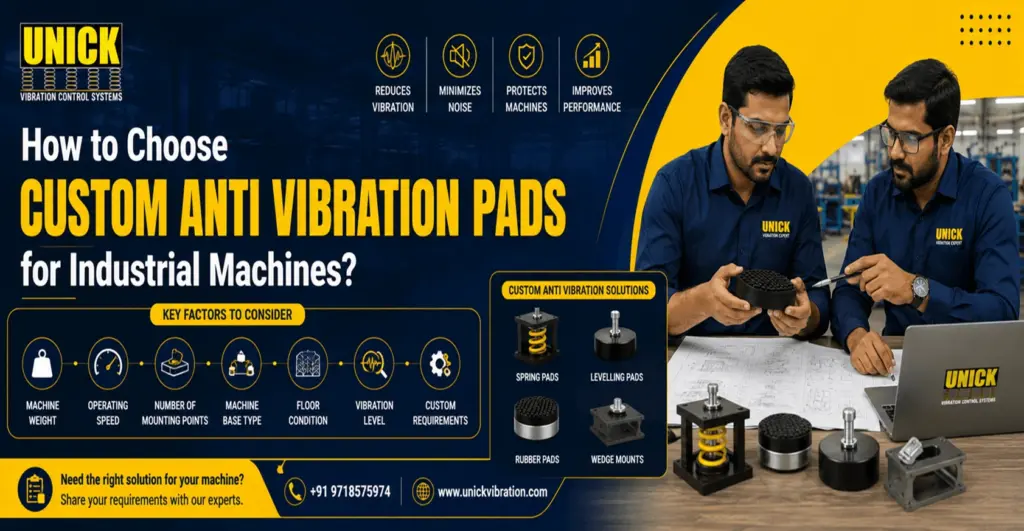
Choosing the right anti vibration pads for industrial machines is important for maintaining stability, reducing unwanted movement, and controlling vibration transmission. How to Choose Custom Anti Vibration Pads for Industrial Machines depends on factors such as operating conditions, machine weight, mounting requirements, and vibration levels. Selecting the right support is essential for effective vibration isolation and stable machine operation. Why Machine-Specific Selection Matters Industrial machines operate under different loads and working conditions. Machine weight, operating speed, mounting points, floor type, and vibration intensity can all affect the performance of an isolation pad. A properly selected pad should provide stable support while helping reduce the transfer of vibration between the machine and floor. When standard sizes or specifications are not suitable, a machine-specific approach can provide better support and more effective vibration control. For general industrial applications, you can also explore our anti vibration pads for industrial machines for machine support and vibration isolation. How to Choose Custom Anti Vibration Pads for Industrial Machines? Before selecting a pad, consider the total machine load, number and position of mounting points, operating conditions, and the surface where the machine will be installed. The required size, thickness, material, and load-bearing capacity can vary depending on these factors. It is also important to understand the type and level of vibration generated by the machine. Selecting the appropriate specifications helps provide stable support and can reduce unnecessary machine movement during operation. Choosing the Right Solution for Your Machine At Unick Vibration, we manufacture vibration isolation pads for a wide range of industrial applications. The appropriate pad can be selected based on machine requirements, load conditions, installation arrangements, and the level of vibration control required. For machines with specific mounting or load requirements, a properly designed pad can offer more suitable support than a standard one-size-fits-all option. Looking for Custom Anti Vibration Pad Manufacturers? If you are looking for manufacturing support in your area, explore our solutions available for Noida, Gurgaon, Delhi, Faridabad, and Ghaziabad. Visit the respective location pages to learn more about anti vibration pad manufacturing solutions available for your industrial application.
How to Reduce Vibration in Zipper Making Machines?
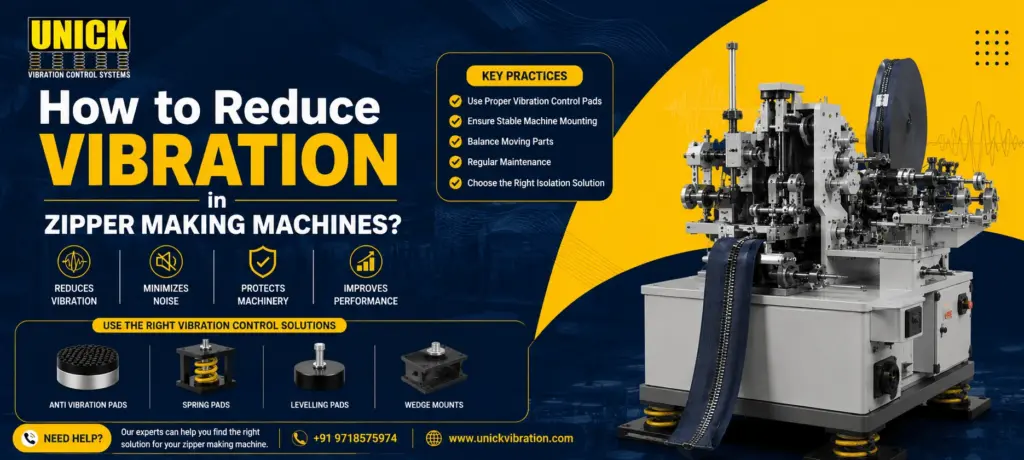
Zipper making machines can produce noticeable vibration, especially during continuous or high-speed operation. Excessive vibration can affect machine stability, production consistency, and the working environment around the machine. It may also transfer vibration to the floor and nearby equipment. How to Reduce Vibration in Zipper Making Machines depends on proper machine installation, stable flooring, and suitable vibration isolation. Using the right support underneath the machine can help absorb and isolate vibration, reducing unwanted movement and allowing smoother, more stable operation. What Causes Vibration in Zipper Making Machines? Vibration can occur due to several factors, including high operating speeds, uneven flooring, improper machine positioning, loose components, or insufficient vibration isolation. Continuous operation on an unstable surface can increase machine movement and vibration over time. In some cases, vibration is also transmitted directly from the machine to the floor. Identifying the source and providing proper isolation between the machine and its supporting surface can help control excessive vibration and improve overall machine stability. Vibration Control Solutions for Zipper Machines At Unick Vibration, we provide vibration control solutions designed to support zipper making machines during regular production. Our anti-vibration pads help isolate the machine from the floor, reduce vibration transmission, and provide stable support during operation. Properly selected vibration isolation pads can help minimise unwanted machine movement while protecting the floor and surrounding working area from excessive vibration. For a suitable solution for your zipper making machine, explore our Anti vibration pads for zipper making machine in india.
Machine Shaking During Embroidery: Causes & Solutions
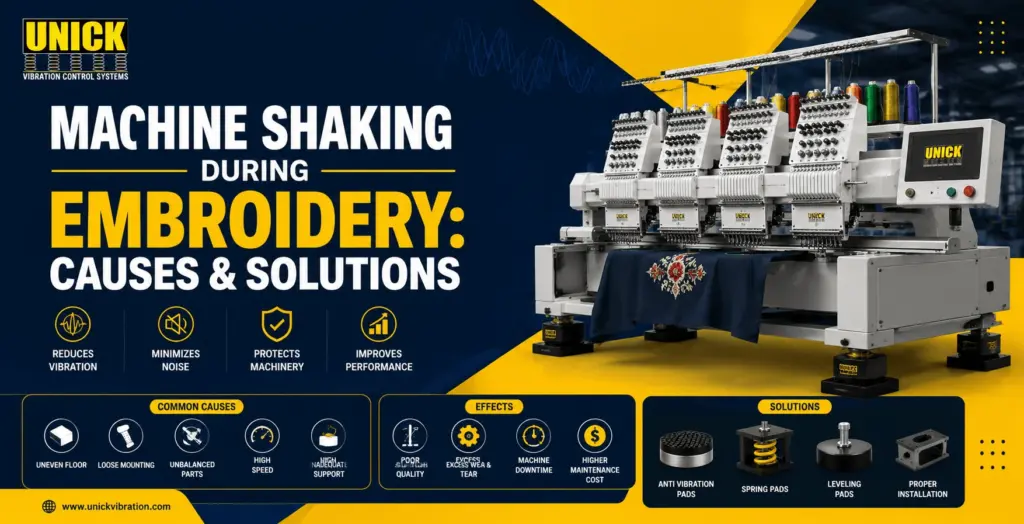
Machine shaking during embroidery can become a problem, especially when high-speed computerised embroidery machines are running continuously. Excessive movement can affect machine stability, embroidery consistency, and the overall working environment. Proper machine support and vibration control can help maintain smoother operation. What Causes Machine Shaking? Machine shaking can happen due to high operating speeds, uneven flooring, improper machine positioning, loose components, or insufficient vibration isolation. Continuous operation on an unstable surface can increase movement and vibration, making it difficult for the machine to operate smoothly and consistently. Vibration Control Solutions At Unick Vibration, we provide anti-vibration solutions to help improve the stability of computerised embroidery machines. Our anti-vibration pads help reduce vibration transmission between the machine and floor while providing stable support during operation. To explore a suitable solution for your machine, check our Anti Vibration Pads for Computerised Embroidery Machine.
What to Look for in a Sandwich Mount Supplier in India

Choosing the right mounting solution can be important when industrial equipment requires stable support and vibration control. What to Look for in a Sandwich Mount Supplier in India? This is a useful question for businesses comparing suppliers, especially when product suitability, quality and supply requirements need to be considered before making a purchase. Product Quality and Consistency A supplier should maintain consistent quality across its products. The materials and manufacturing process used for a mounting component can influence its reliability during regular industrial use. Rather than choosing only on price, businesses should consider whether the supplier follows consistent manufacturing and quality-control practices. Understanding of Industrial Requirements Industrial machinery can have different operating conditions and support requirements. A good supplier should be able to understand basic information about the intended application and help identify a suitable mounting option. Important information may include: Equipment type Approximate machine weight Mounting arrangement Operating environment General vibration conditions This does not necessarily require a complex technical assessment for every application, but the supplier should be able to discuss the basic requirements. Availability and Supply Capability For businesses purchasing mounting products for regular industrial use, product availability can be an important consideration. A supplier with suitable production and supply capabilities can make it easier to manage repeat requirements and avoid unnecessary delays. Before placing an order, it can be useful to ask about: Standard product availability Approximate delivery timelines Quantity requirements Repeat-order support Packaging and dispatch arrangements Customisation Options Not every industrial installation has identical requirements. In some cases, customers may need a particular size, configuration or mounting arrangement. A supplier offering reasonable customisation support can be useful when standard options do not match the equipment requirements. However, customisation should be considered according to the actual application rather than simply requesting unnecessary variations. Technical Guidance A supplier should ideally be able to provide basic guidance about product selection. For example, customers may need help understanding which mounting option is appropriate for their equipment, how the product should be positioned, or what information should be provided before selecting a suitable product. Clear communication at this stage can help reduce the possibility of choosing an unsuitable mounting solution. Pricing and Long-Term Value Price is naturally an important factor when purchasing industrial components, but it should not be the only consideration. A lower initial price may not always represent better value if product quality, consistency or supply support is inadequate. Businesses should consider the overall value offered by the supplier, including product quality, availability, service and suitability for the intended application. Conclusion Finding a suitable supplier involves more than simply comparing product prices. Product quality, manufacturing consistency, supply capability, customisation, technical guidance and overall value should all be considered. Businesses looking for a Sandwich Mount Supplier in India should first understand their basic equipment requirements and then discuss those requirements with a supplier before selecting the appropriate mounting solution.
Anti-Vibration Levelling Pads for Better Machine Stability
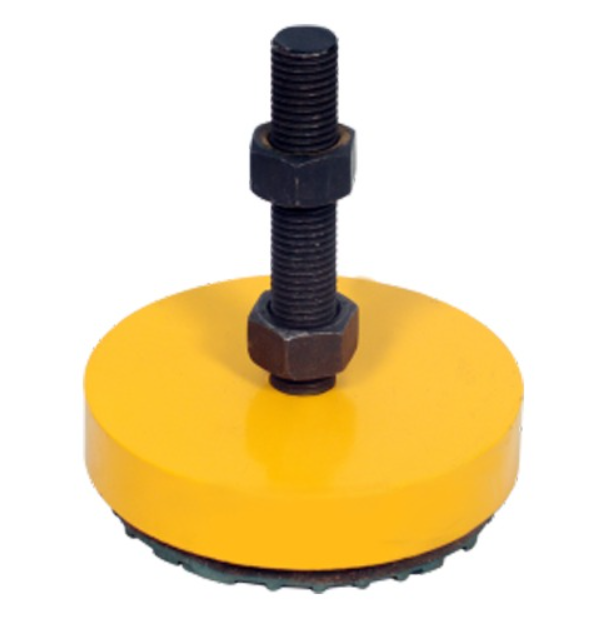
Machines need a stable and properly levelled base to operate smoothly. During operation, however, machinery can generate vibration and movement that may affect stability and transmit vibration to the supporting floor. Anti-Vibration Levelling Pads for Better Machine Stability provide a practical way to support machinery while helping with both levelling and vibration control. These pads are designed to be placed between the machine and the floor, creating a suitable support interface for industrial equipment. What Are Anti Vibration Levelling Pads? Anti vibration levelling pads are machine support components that combine levelling functionality with vibration isolation. They can help provide stable support while allowing adjustments to compensate for minor differences in floor level. Depending on the pad design and application, they can also help reduce the transmission of vibration from machinery to the supporting surface. Why Are Levelling Pads Important for Machinery? An uneven floor or inconsistent support can affect machine stability. When machinery is not properly supported, unwanted movement or vibration may become more noticeable during operation. Anti vibration levelling pads can help: Improve machine stability Provide adjustable machine levelling Reduce vibration transmission Support consistent machine positioning Help protect the supporting floor Provide a more stable machine installation How Do Anti Vibration Levelling Pads Work? The pads are installed at the machine’s designated support points. Their levelling mechanism helps achieve a more consistent machine position, while the vibration-isolating material or construction provides an interface between the machine and the floor. The actual level of vibration reduction depends on factors such as machine weight, operating conditions, support-point loading and floor characteristics. Where Can They Be Used? Anti vibration levelling pads can be suitable for various industrial and manufacturing applications where machinery requires stable and adjustable support. They may be considered for: Industrial machinery Manufacturing equipment Production equipment Workshop machinery Fabrication equipment Machinery requiring adjustable levelling and vibration control The appropriate pad should always be selected according to the machine and installation requirements. How to Choose the Right Anti Vibration Levelling Pad? Before selecting a pad, consider the machine’s total weight, number of support points, load at each support point, required levelling adjustment and floor condition. Operating conditions should also be considered, particularly where machinery generates continuous or significant vibration. Conclusion Anti vibration levelling pads offer a practical solution for machinery that requires both stable positioning and adjustable levelling. By providing a suitable interface between the machine and floor, they can help improve installation stability and reduce unwanted vibration transmission. For the best results, the pad should be selected according to the machine’s weight, support arrangement, operating conditions and installation environment.
How Wedge Mounts Help Improve CNC Machine Stability
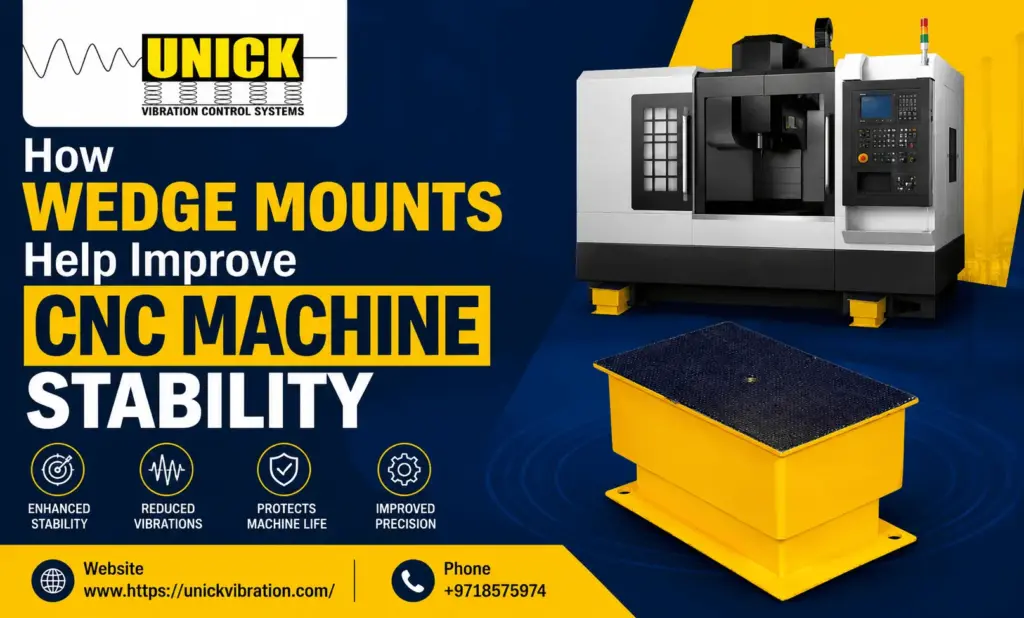
CNC machines are designed for precision machining, so machine stability is an important part of maintaining consistent operating conditions. Even when a machine is properly installed, uneven flooring, machine movement, and vibration can affect its overall stability. How Wedge Mounts Help Improve CNC Machine Stability is an important consideration when addressing these challenges. A wedge mount CNC machine installation can help provide a stable and adjustable support arrangement, improving overall machine stability and performance. Wedge mounts are commonly used where machinery requires accurate leveling and reliable support. Their design allows the position and level of equipment to be adjusted according to installation requirements. What Is a Wedge Mount? A wedge mount pads is a mechanical machine support designed to help level and stabilize equipment. It generally consists of inclined or wedge-shaped components that allow controlled height adjustment while supporting the machine. Unlike a simple fixed support, an adjustable wedge mounting arrangement can help compensate for minor differences in floor level and provide more consistent contact between the machine and its supporting surface. For CNC machines, stable support is particularly important because machining operations involve moving components and dynamic forces. Why Is CNC Machine Stability Important? CNC machines operate with precise movements and controlled machining processes. Unwanted machine movement can affect the working environment and may interfere with consistent machine operation. A stable installation can help: Maintain consistent machine positioning Provide more reliable support Compensate for minor floor-level differences Reduce unwanted machine movement Improve installation stability Support accurate machine leveling Help manage vibration transmission The actual effect depends on the machine design, installation conditions and type of mounting system used. How Wedge Mounts Improve CNC Machine Stability Wedge mounts can contribute to CNC machine stability in several ways. 1. Adjustable Machine Leveling One of the main advantages of wedge mounts is their ability to provide controlled adjustment. Industrial floors may not always be perfectly level. A suitable wedge mounting system can help compensate for minor differences and allow the CNC machine to be positioned more accurately. Proper leveling helps ensure that the machine is supported consistently across its mounting points. 2. Stable Support Points A CNC machine can place considerable load on its individual support points. If one support point does not make appropriate contact with the floor, the machine may not remain evenly supported. Wedge mounts can provide a more controlled support arrangement, helping distribute the machine load across the intended mounting points. 3. Improved Installation Stability Machine stability is not determined by the machine alone. The relationship between the machine, mounting system and floor also matters. A properly selected wedge mount can create a stable interface between the CNC machine and the supporting floor, helping maintain the machine’s installed position during operation. 4. Support for Vibration Control CNC machines generate dynamic forces during operation. Depending on the machine type and operating conditions, these forces can be transferred through the machine structure into the floor. Wedge mounts may be used as part of a broader machine support and vibration-control arrangement. However, the appropriate solution depends on the source and characteristics of the vibration. For applications where both stable positioning and vibration management are important, the mounting system should be selected according to the machine’s weight, operating conditions and foundation characteristics. Wedge Mounts vs Fixed Machine Supports A fixed support provides a predetermined support height, while an adjustable wedge mount can offer greater flexibility during machine installation. This can be particularly useful when: The floor has minor level variations Precise machine leveling is required The equipment needs adjustable support Multiple mounting points need to be aligned Machine installation requires controlled height adjustment The choice between different mounting systems should always depend on the machine manufacturer’s requirements and the actual installation conditions. Factors to Consider When Choosing a Wedge Mount for a CNC Machine Choosing a suitable wedge mount requires more than simply matching the mount to the machine’s overall dimensions. Important factors include: Machine Weight The total machine weight affects the load placed on the mounting system. However, the load at each individual support point is also important. Number of Support Points The number and arrangement of mounting points influence how the machine’s load is distributed. Required Height Adjustment Different installations may require different levels of adjustment. The required adjustment range should therefore be considered before selecting a mount. Floor Condition The supporting floor should be evaluated for level, strength and suitability for the intended machine load. Operating Conditions Machine speed, dynamic forces and operating environment can influence the type of support system required. Vibration Requirements If vibration is a concern, the mounting solution should be evaluated according to the actual vibration characteristics rather than selecting a product based only on machine weight. When Should a CNC Machine Use Adjustable Wedge Mounts? Adjustable wedge mounts can be useful when a CNC machine requires controlled leveling and stable support during installation. They may be particularly relevant when: The machine requires accurate leveling The floor has minor unevenness Multiple support points need adjustment Machine positioning must remain stable Installation flexibility is important For more demanding applications, the mounting system should be selected after considering the machine specifications, support configuration and floor conditions. Installation Considerations Correct installation is important for achieving the intended performance of any machine mounting system. Before installation, the machine’s support points, floor condition, mounting height and load distribution should be assessed. The wedge mounts should be positioned according to the machine’s mounting arrangement and adjusted carefully so that the equipment is properly supported. Where required, installation should follow the machine manufacturer’s recommendations and the mounting product’s technical instructions. Conclusion CNC machine stability depends on several factors, including machine design, floor condition, load distribution and the mounting system used during installation. A properly selected wedge mount CNC machine support system can help provide adjustable leveling, stable support and improved installation flexibility. It can also form part of a broader approach to managing machine movement and vibration. When selecting anti vibration wedge mounts pads for CNC machines, factors such as machine weight, support-point
Is Your Machine Still Vibrating After Installation? The Problem Might Be the Mounting
Many industries assume that machine vibration problems will disappear once installation is completed. However, if the machine continues vibrating even after proper setup, the actual issue may be the mounting system. Selecting the right anti vibration heighten mounts supplier India helps industries improve machine stability, reduce vibration transfer, and maintain reliable equipment performance. A machine installation is only successful when the equipment remains stable, properly levelled, and capable of operating without excessive movement. Using an unsuitable mounting solution can lead to continuous vibration issues, increased maintenance, and reduced production efficiency. Why Does a Machine Vibrate After Installation? A machine may continue vibrating after installation due to incorrect mounting systems, improper levelling, unsuitable vibration isolation products, uneven floors, or incorrect load distribution. Selecting the right anti vibration mounts and ensuring proper installation helps reduce vibration and improves machine stability. Common Reasons Why Machines Vibrate After Installation Even a newly installed machine can experience vibration problems because of several factors. 1. Incorrect Machine Mount Selection One of the most common reasons is using a mounting solution that does not match the machine requirements. Problems may occur due to: Incorrect load capacity Wrong mount type Poor vibration absorption Improper installation method The mounting system must be selected according to machine weight, operating conditions, and vibration level. 2. Improper Machine Levelling A machine that is not properly levelled can create uneven pressure on mounting points. This can result in: Machine movement Increased vibration Alignment problems Reduced accuracy Proper levelling is essential for stable machine operation. How Mach Levelling Mount Pads Help Reduce Vibration Levelling Pads for Heavy Machinery provide stable support and accurate positioning for industrial machinery. They help maintain proper machine alignment while reducing vibration transmission between equipment and the supporting surface. Benefits of Mach Levelling Mount Pads: Improved machine stability Accurate height adjustment Better load distribution Reduced vibration effects Long-term performance Choosing the right levelling solution helps prevent installation-related vibration problems. The Importance of Choosing the Right Heavy-Duty Vibration Solution For demanding industrial applications, lightweight or unsuitable mounts may not provide enough support. Industries require reliable solutions designed for heavy operational conditions. Heavy duty anti vibration pads for machinery India help support high loads while reducing vibration transfer. Key Advantages: High load-bearing capacity Better vibration absorption Improved machine stability Protection of machine components Reduced maintenance requirements The correct heavy-duty vibration solution helps machines perform efficiently under continuous operation. How Wrong Mounting Systems Affect Machine Performance A poor mounting system can create several operational problems: Increased machine vibration Poor product quality Reduced accuracy Higher maintenance costs Component wear Unexpected downtime Shorter equipment life Many industries spend money repairing machine components when the actual issue is improper vibration isolation. Improving CNC Machine Stability With Proper Mounting Solutions Precision manufacturing requires excellent machine stability. Incorrect mounting can affect machining accuracy and production quality. Using suitable anti vibration pads for CNC machines helps reduce unwanted movement, improve machine stability, and support better machining performance. Proper vibration control allows CNC machines to maintain: Better accuracy Improved surface finish Longer tool life Consistent production quality How to Prevent Machine Vibration Problems After Installation Industries can reduce vibration issues by following these practices: Choose the Correct Mounting Solution Select mounts based on machine weight, vibration level, and operating environment. Ensure Proper Installation Correct installation improves stability and prevents future issues. Check Machine Levelling Regular levelling inspections help maintain performance. Monitor Vibration Levels Early detection prevents expensive repairs and downtime. How Does Unick Vibration Handle the Issue? Unick Vibration Control Systems (P) Limited provides engineered vibration isolation and machine levelling solutions for industrial applications. Our solutions help industries: Reduce machine vibration Improve equipment stability Protect valuable machinery Increase operational efficiency Extend equipment life With technical knowledge and quality manufacturing, Unick supports industries in selecting the right vibration control products for their applications. Conclusion If your machine is still vibrating after installation, the problem may not be the machine itself—it may be the mounting system. Incorrect mounts, poor levelling, and unsuitable vibration isolation solutions can affect machine performance and increase operating costs. By selecting the right mounting solution, industries can improve stability, reduce vibration, and achieve better long-term equipment performance. Frequently Asked Questions (FAQs) 1. Why is my machine still vibrating after installation? A machine may continue vibrating due to incorrect mounting systems, improper levelling, unsuitable vibration pads, or uneven installation surfaces. 2. Can the wrong machine mount cause vibration problems? Yes, selecting the wrong mount type or load capacity can increase vibration and reduce machine stability. 3. How do Anti Vibration Heighten Mounts help machines? Anti vibration heighten mounts provide stable support, reduce vibration transfer, and help maintain proper machine positioning. 4. Why is machine levelling important after installation? Proper machine levelling ensures balanced load distribution, improves stability, and reduces vibration-related issues. 5. What are Mach Levelling Mount Pads used for? Mach leveling mount pads are used to support machinery, provide accurate adjustment, and improve machine stability. 6. Can vibration damage industrial machines? Yes, continuous vibration can increase component wear, reduce accuracy, and shorten equipment life. 7. Are heavy-duty anti vibration pads suitable for industrial machinery? Yes, heavy-duty anti vibration pads are designed to support high loads and reduce vibration in demanding industrial applications. 8. How do anti vibration pads improve CNC machine performance? Anti vibration pads reduce unwanted movement, improve stability, and help maintain machining accuracy. 9. How can I select the right vibration mount for my machine? The right mount depends on machine weight, vibration level, operating conditions, and installation requirements. 10. Does Unick provide anti vibration mounting solutions in India? Yes, Unick Vibration Control Systems provides industrial vibration control and machine mounting solutions across India. 11. Why choose Unick Vibration Control Systems? Unick provides quality-engineered vibration isolation products with technical support for industrial applications. 12. Can proper mounting reduce machine maintenance costs? Yes, proper mounting reduces vibration stress, protects components, and helps lower maintenance requirements.