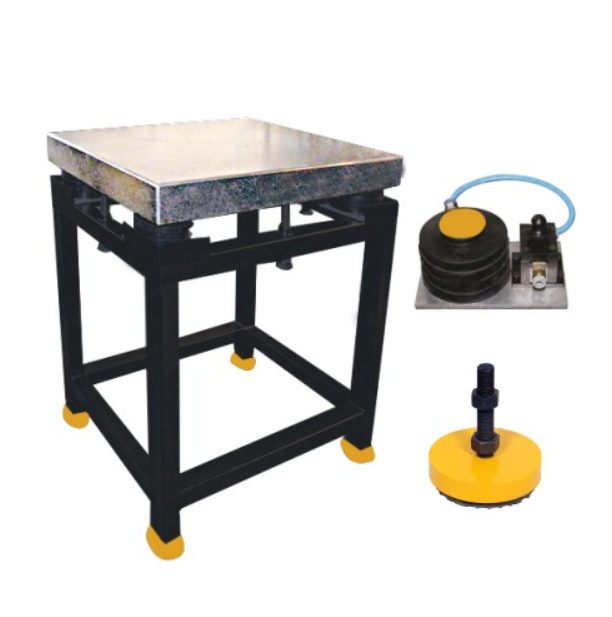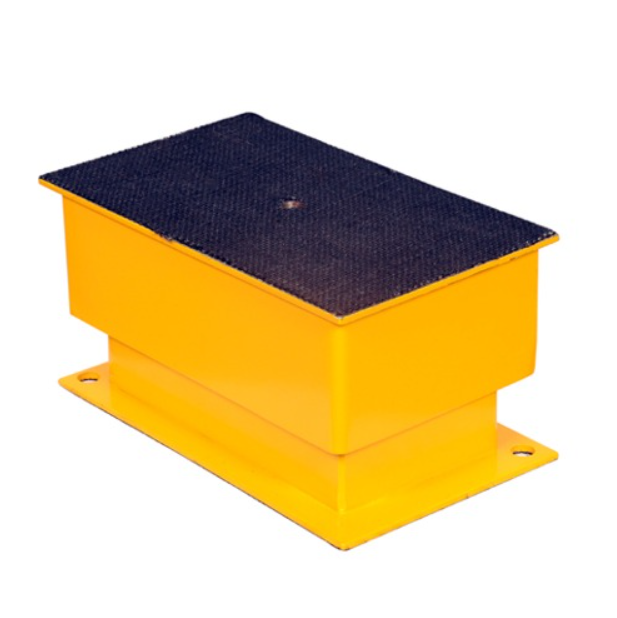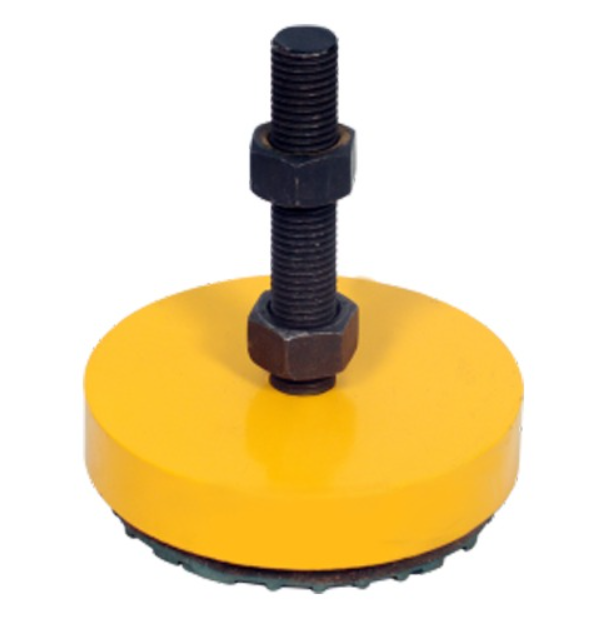
Installing a printing press with precision is essential for ensuring consistent output quality, minimizing vibration, and extending machine life. Moreover, using high-quality levelling solutions such as Unick Precision Levelling Pads plays a vital role in achieving stability and operational efficiency. In addition, proper installation reduces maintenance costs and prevents alignment-related issues that can impact print accuracy.
Therefore, this guide provides a step-by-step approach to installing a printing press on levelling pads for heavy machinery, ensuring optimal performance from day one.
Preparing the Base Surface for Installing Levelling Pads Accurately
Before placing the levelling pads, it is crucial to prepare the base surface thoroughly. First, ensure that the installation area is clean, level, and free from debris or oil residues. Next, check for cracks, unevenness, or structural weaknesses in the foundation.
Furthermore, using a properly prepared surface helps distribute the machine load evenly and prevents unwanted vibrations. As a result, the printing press operates smoothly without unnecessary wear and tear.
Key Preparation Steps:
- Surface Cleaning: Remove dust, grease, and debris to ensure proper contact between the floor and levelling pads, which enhances stability and prevents slippage during machine operation.
- Foundation Inspection: Examine the base for cracks or weak spots that may compromise load-bearing capacity, ensuring long-term durability and safe installation conditions.
- Level Checking: Use precision instruments such as spirit levels or laser levels to verify flatness, ensuring accurate placement of levelling pads.
- Load Capacity Verification: Confirm that the floor can handle the total weight of the printing press along with operational loads, to avoid structural issues later.
Consequently, a well-prepared base sets the foundation for a successful installation process.
Positioning the Printing Press on Unick Precision Levelling Pads Correctly
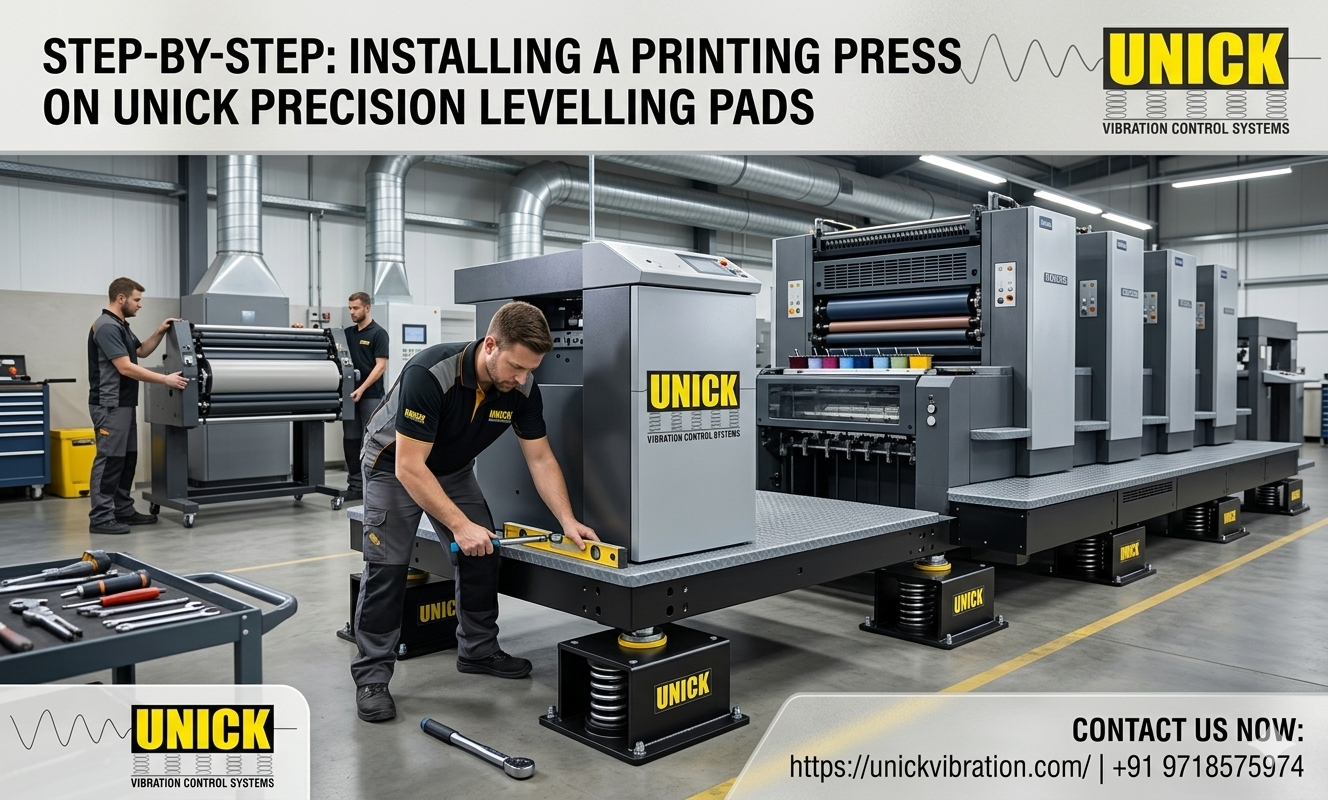
Once the surface is ready, the next step involves positioning the printing press on the levelling pads. Initially, place the pads at designated load-bearing points recommended by the manufacturer. Then, carefully lower the machine onto the pads using proper lifting equipment.
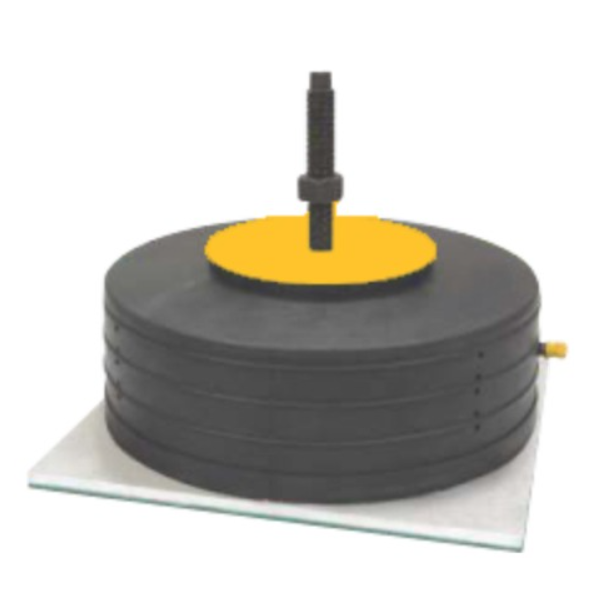
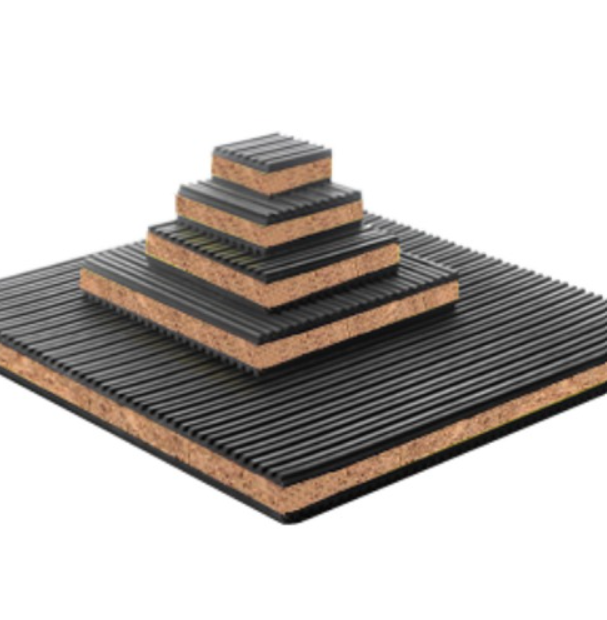
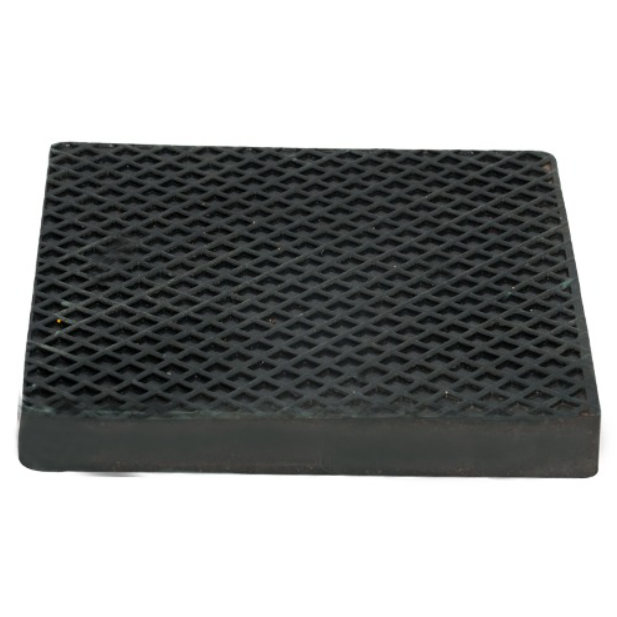
In addition, ensure that each pad aligns perfectly with the machine’s base to prevent uneven weight distribution. Similarly, avoid sudden movements during placement to maintain accuracy. Also, if you are looking for anti vibration rubber pads supplier in India, along with levelling pads.
Positioning Best Practices:
- Pad Placement Accuracy: Position levelling pads exactly under machine mounting points to ensure uniform support and prevent structural stress on the printing press frame.
- Safe Machine Handling: Use cranes or forklifts with controlled movement to avoid misalignment or damage during installation.
- Initial Alignment Check: Verify that the machine sits evenly on all pads before final adjustments to avoid future complications.
- Spacing Consistency: Maintain equal spacing between pads to distribute weight efficiently and improve vibration isolation.
Thus, correct positioning ensures that the machine remains stable and ready for fine-tuning.
Aligning and Adjusting Levelling Pads for Maximum Machine Stability
After positioning, precise alignment and adjustment are critical. At this stage, adjust each levelling pad gradually to achieve perfect horizontal alignment. Meanwhile, use precision tools such as dial gauges or laser alignment systems to monitor accuracy.
Moreover, small adjustments can make a significant difference in machine performance, especially if you are looking for heavy duty anti vibration pads, along with levelling pads. Therefore, patience and precision are essential during this step.
Alignment and Adjustment Techniques:
- Incremental Adjustments: Adjust each levelling pad gradually instead of making large changes, ensuring balanced alignment across the entire machine structure.
- Precision Measurement Tools: Use advanced tools like laser levels or dial indicators to achieve high accuracy and eliminate even minor misalignments.
- Cross-Checking Levels: Continuously verify alignment from multiple points to ensure uniform levelling and prevent tilt or imbalance.
- Vibration Testing: Conduct initial vibration checks after alignment to confirm stability and identify any necessary corrections.
As a result, the printing press operates efficiently with minimal vibration and maximum precision.
Load Distribution Techniques Using High-Quality Levelling Pads Systems
Proper load distribution is essential for maintaining machine performance and longevity. In fact, uneven load distribution can lead to excessive wear, noise, and operational inefficiencies.
Therefore, using high-quality levelling pads systems ensures that the machine weight is evenly distributed across all support points. Additionally, this improves shock absorption and reduces vibration transmission to the floor.
Effective Load Distribution Methods:
- Uniform Weight Distribution: Ensure that each levelling pad carries an equal portion of the machine load to prevent stress concentration and structural damage.
- Dynamic Load Consideration: Account for operational forces such as movement and vibration, ensuring pads can handle both static and dynamic loads effectively.
- Shock Absorption Optimization: Use levelling pads designed with anti-vibration properties to minimize machine movement and enhance performance.
- Regular Monitoring: Periodically check load distribution to identify any imbalance caused by machine operation or environmental changes.
Consequently, proper load distribution enhances machine efficiency and reduces maintenance requirements over time, also if you are looking for heavy duty engine mounts along with levelling pads.
Why Choose Unick Vibration for Levelling Pads Installation Support
Selecting the right partner for installation support is just as important as choosing the right equipment. Notably, Unick Vibration offers expertise, precision, and high-quality solutions tailored to industrial needs.
Furthermore, their team ensures accurate installation, minimizing errors and maximizing machine performance. In addition, they provide ongoing support to maintain optimal alignment and stability.
Advantages of Choosing Unick Vibration:
- Technical Expertise: Their experienced professionals understand complex installation requirements and deliver precise solutions for different types of printing presses.
- Advanced Tools and Techniques: They utilize modern equipment and proven methodologies to ensure accurate leveling and alignment.
- Customized Solutions: Each installation is tailored to the specific machine and operational requirements, ensuring optimal performance.
- After-Sales Support: Continuous assistance and maintenance services help maintain alignment and prevent operational issues in the long run.
Thus, partnering with a reliable company ensures a hassle-free installation process and long-term efficiency.
Conclusion
Installing a printing press on Unick Precision Levelling Pads requires careful planning, accurate execution, and attention to detail. In summary, preparing the base surface, positioning the machine correctly, aligning the pads, and ensuring proper load distribution are all essential steps.
Ultimately, these practices not only enhance machine stability but also improve print quality and reduce maintenance costs. Therefore, investing time and effort in proper installation delivers long-term benefits for your printing operations.
Looking to Install Your Printing Press with Precision and Reliability?
Get in touch with Unick Vibration Company today for expert leveling pad installation support. Ensure maximum stability, reduced vibration, and long-lasting performance; contact us now and upgrade your machinery setup with confidence!