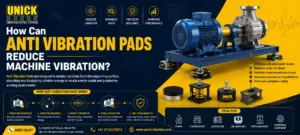
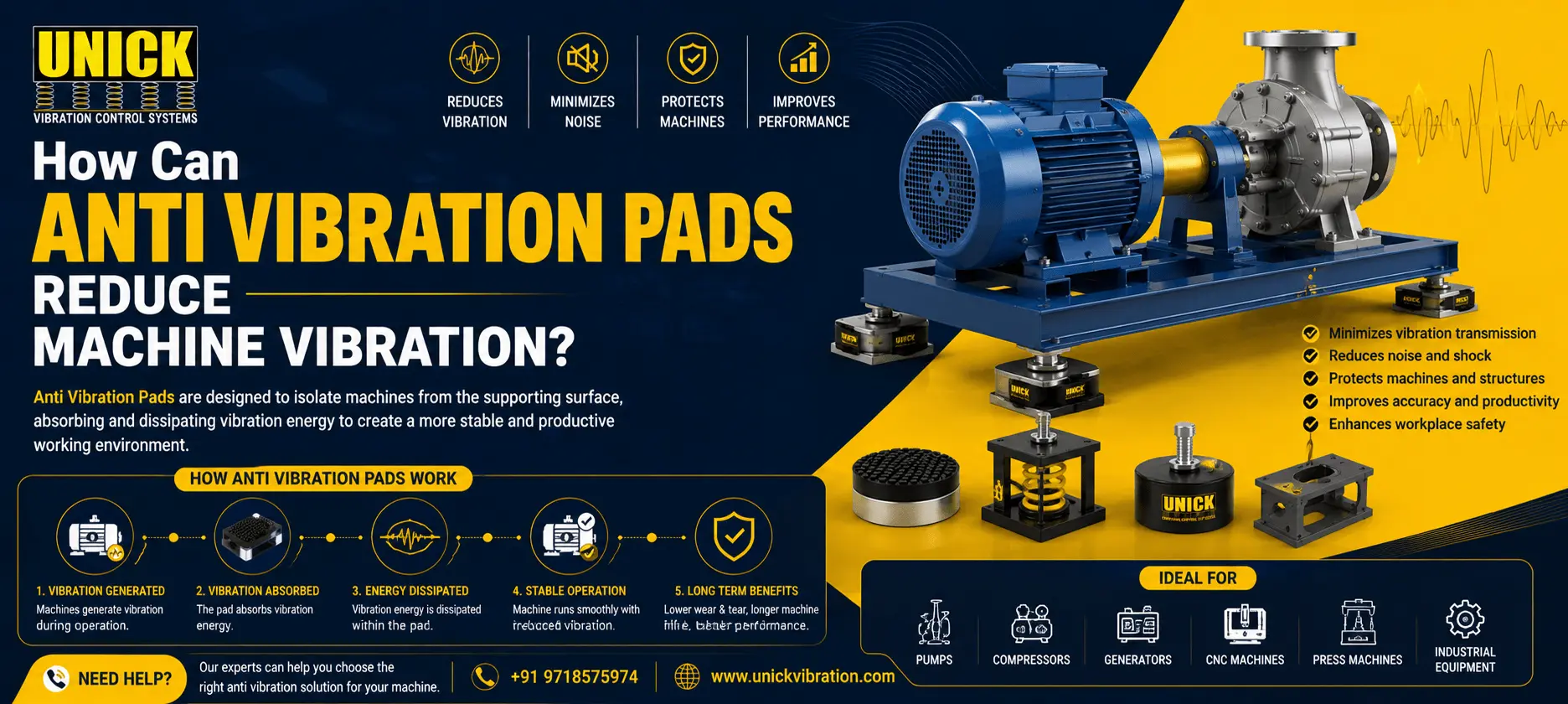
Machine vibration is a common concern in factories, workshops, and industrial facilities where equipment operates continuously. How Can Anti Vibration Pads Reduce Machine Vibration is a common question among business owners dealing with excessive movement, noise, or vibration transfer from machinery to the floor. Properly selected anti vibration pads can create a stable interface between the machine and its foundation while helping control unwanted vibration during operation.
How Can Anti Vibration Pads Reduce Machine Vibration
Machines naturally produce vibration when motors, rotating components, pumps, compressors, presses, and other mechanical equipment are running. However, excessive vibration may occur because of unbalanced components, incorrect installation, uneven flooring, poor alignment, or worn mechanical parts.
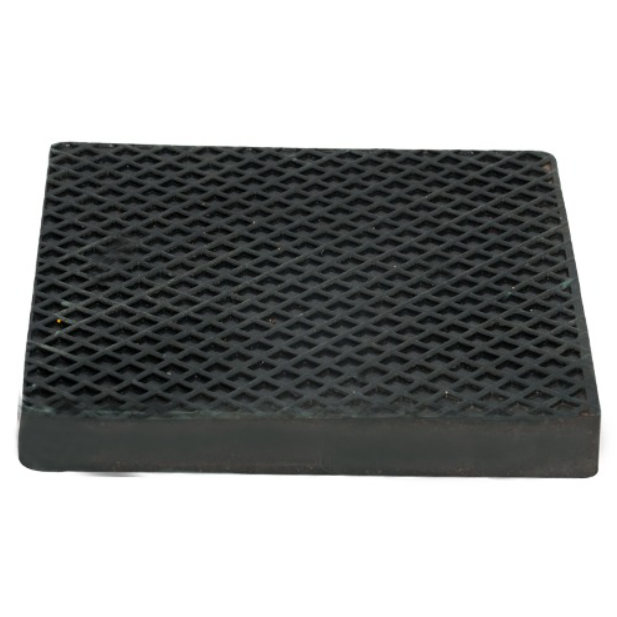
Anti vibration pads work by creating a resilient layer between the machine and the supporting surface. Instead of allowing mechanical energy to transfer directly into the floor, the pad absorbs and isolates part of the vibration. This can reduce vibration transmission through the foundation and help the equipment operate with greater stability.
The performance of a vibration isolation pad depends on several factors, including machine weight, operating speed, mounting arrangement, vibration characteristics, and foundation conditions. A pad suitable for one application may not provide the same results for another. Therefore, selection should be based on the actual requirements of the equipment rather than simply choosing the thickest or hardest pad.
What Causes Excessive Machine Vibration?
Understanding the source of vibration is important before installing any isolation solution. Unbalanced rotating parts are a common cause, while damaged bearings, loose fasteners, worn couplings, and misalignment can also create excessive movement.
An uneven or weak foundation can make the situation worse by preventing the machine from receiving consistent support at every mounting point. In some cases, vibration may also increase because the machine is operating outside its intended speed or load range.
Vibration control pads can help control vibration transmission, but they should not be used as a replacement for mechanical maintenance. If vibration suddenly increases, the machine should first be inspected for an underlying fault.
Benefits of Vibration Isolation for Industrial Machinery
One major benefit of vibration isolation is improved machine stability. When equipment remains properly supported during operation, unwanted movement can be reduced. This is particularly useful for machinery that operates for long periods or requires consistent positioning.
Reducing vibration transmission can also help protect nearby equipment and the surrounding structure. Continuous vibration passing through a factory floor may affect adjacent machines and create additional noise or disturbance in the workplace.
Vibration control may also help reduce unnecessary mechanical stress. Excessive movement can place additional stress on bearings, fasteners, couplings, joints, and other components. While isolation pads cannot repair damaged parts, they can contribute to a more stable installation when the equipment itself is properly maintained.
How to Choose the Right Anti Vibration Pad
Choosing the correct pad requires more than knowing the machine’s total weight. The load carried by each mounting point should also be considered because the weight may not be distributed equally.
Operating speed, machine type, foundation condition, and the nature of the vibration are other important factors. Material, thickness, load capacity, and compression characteristics can vary between different pad designs.
For heavy industrial machinery, the selected pad should have an appropriate load-bearing capacity without compromising the required vibration isolation. If the floor is significantly uneven or damaged, the foundation should be addressed before depending on isolation pads to solve the problem.
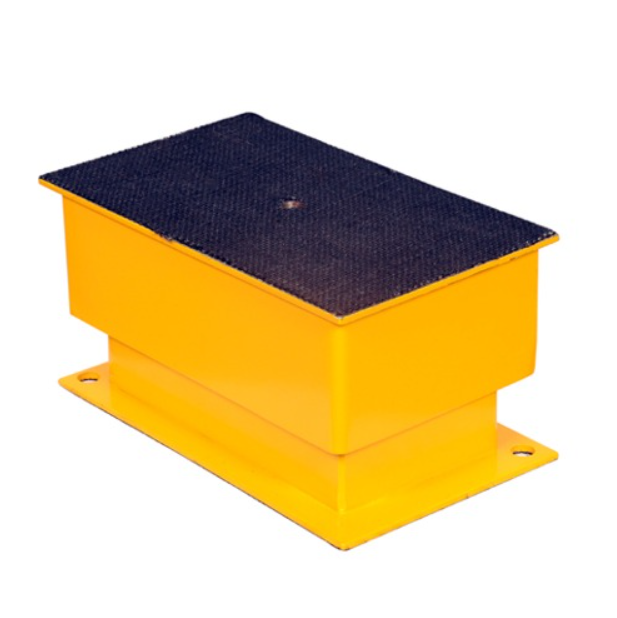
Unick Vibration provides Anti Vibration Pads for Heavy Machinery for different industrial applications, but the most suitable product should always be selected according to the machine’s operating requirements and installation conditions.
Installation and Maintenance Considerations
Correct installation is essential for effective vibration control. The machine should be positioned properly, and each mounting point should have firm and consistent contact with the pad and supporting surface. Uneven loading can reduce stability and affect the performance of the isolation system.
Regular inspection is equally important. Businesses should check for uneven compression, pad deterioration, loose mounting components, unexpected machine movement, or changes in vibration levels.
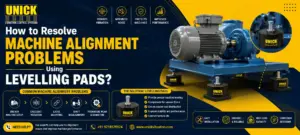
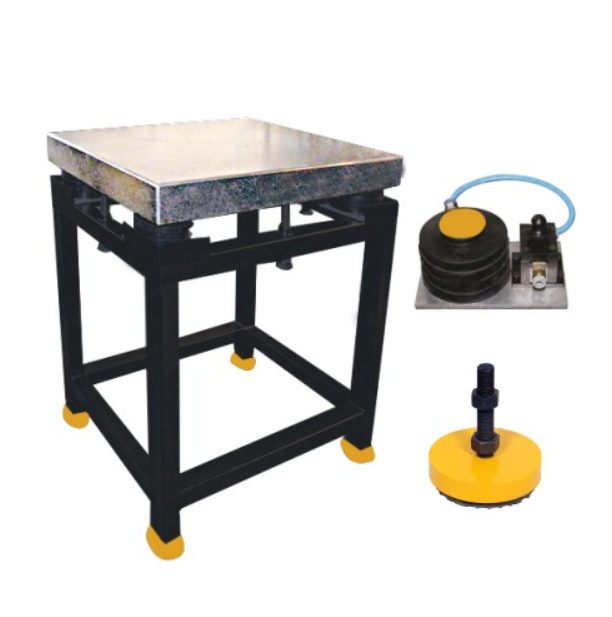
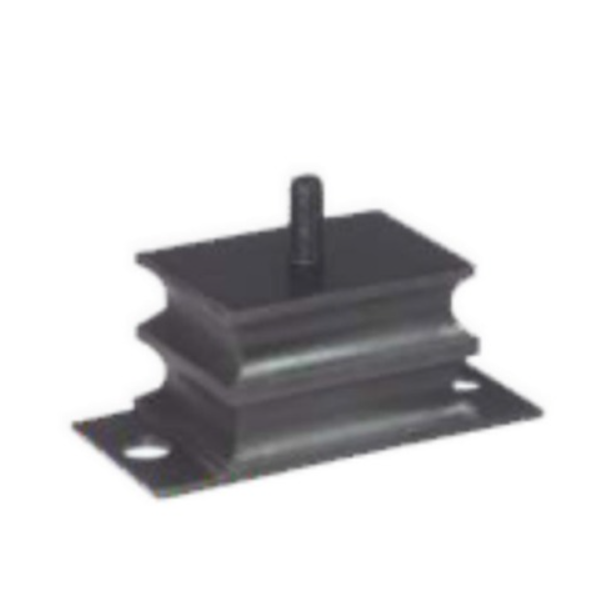
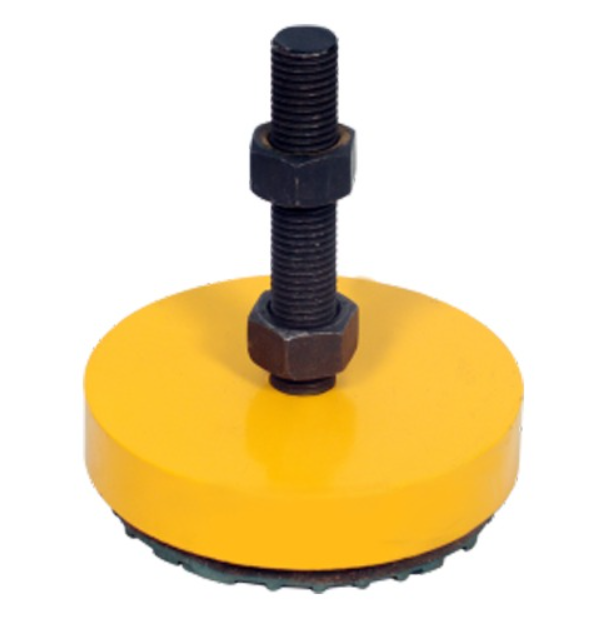
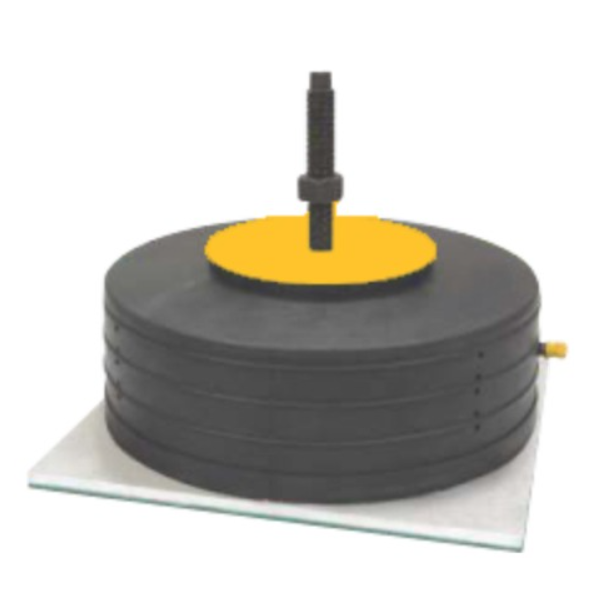
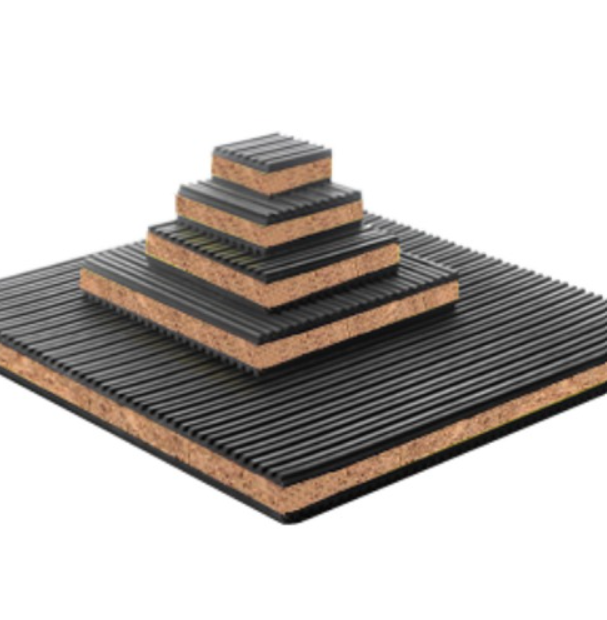
For suitable heavy-duty applications, businesses can consider vibration-control products such as Spring Pads, Levelling Pads, Sandwich Mounts, Stud Mounts, Rubber Cork Pads, Anchoring Systems, Elastomeric Pads, Insulation Sheets, and Wedge Mounts, depending on the machine’s load, operating conditions, and installation requirements.
Conclusion
Excessive machine vibration can affect equipment stability, component life, operating comfort, and the surrounding foundation. Anti vibration pads provide a practical method of reducing vibration transmission by creating an isolation layer between machinery and its supporting surface.
The right solution depends on machine weight, operating conditions, mounting arrangement, and foundation quality. Proper installation and periodic inspection are also important for maintaining long-term performance. For demanding industrial applications, businesses can evaluate Heavy Duty Anti Vibration Pads for Machinery India and choose a solution that matches the actual requirements of their equipment.