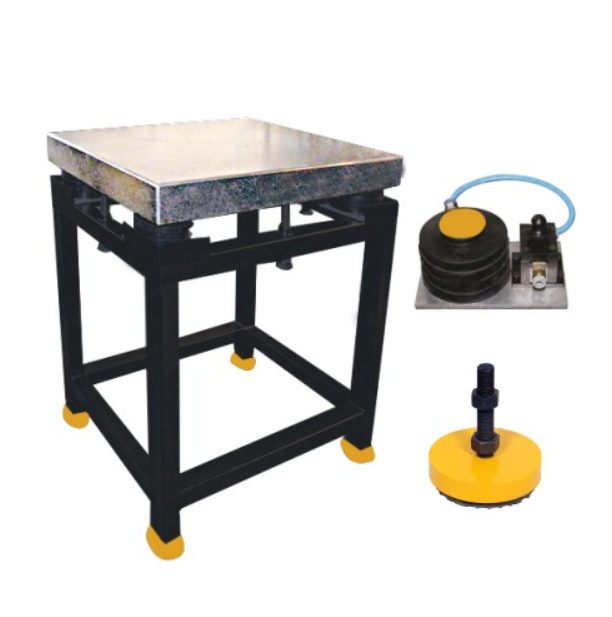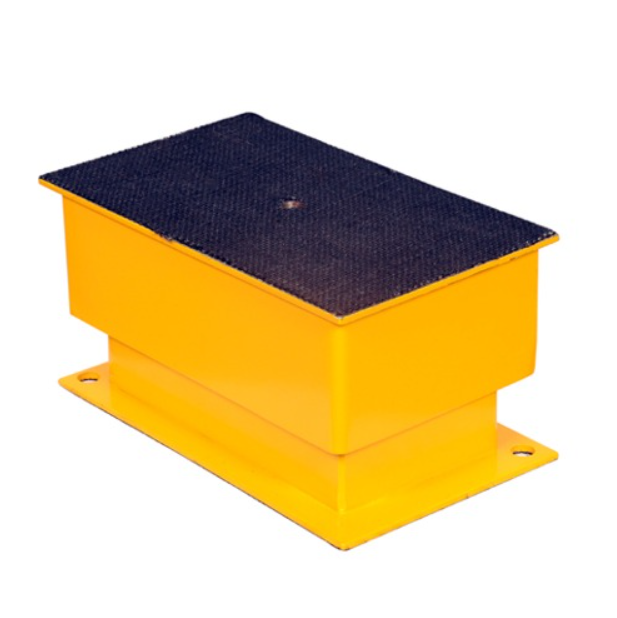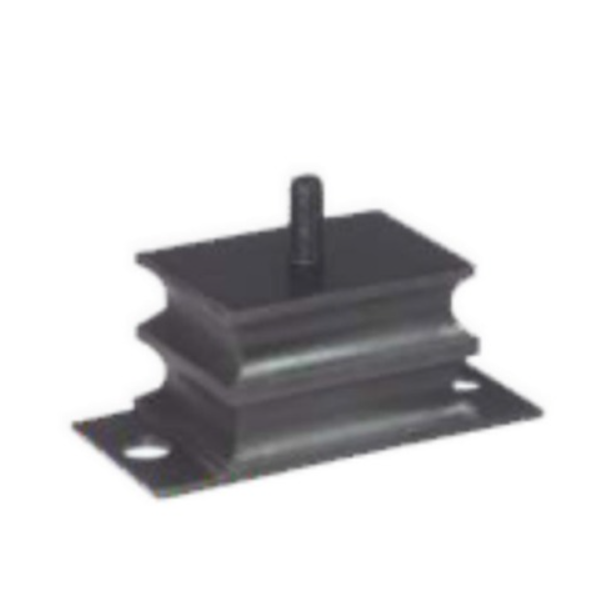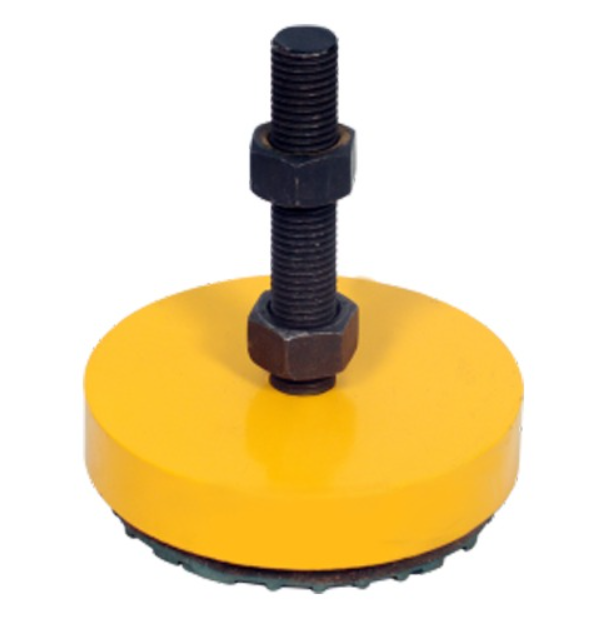
Selecting an Industrial Anti Vibration Spring Pads Supplier in India requires more than comparing product dimensions and prices. The correct spring pad must match the machine’s operating speed, weight, centre of gravity and vibration pattern. A properly selected isolation system can reduce the transfer of vibration to the floor, nearby equipment and surrounding work areas.
Industrial machines generate vibration through rotating, reciprocating or impact-based movement. If this vibration passes into the supporting structure, it may cause excessive noise, unstable operation, discomfort for workers and disturbance to sensitive equipment. Spring-based isolation pads create a flexible barrier between the machine and its foundation, helping control this unwanted transmission.
How Do Spring Pads Control Industrial Vibration?
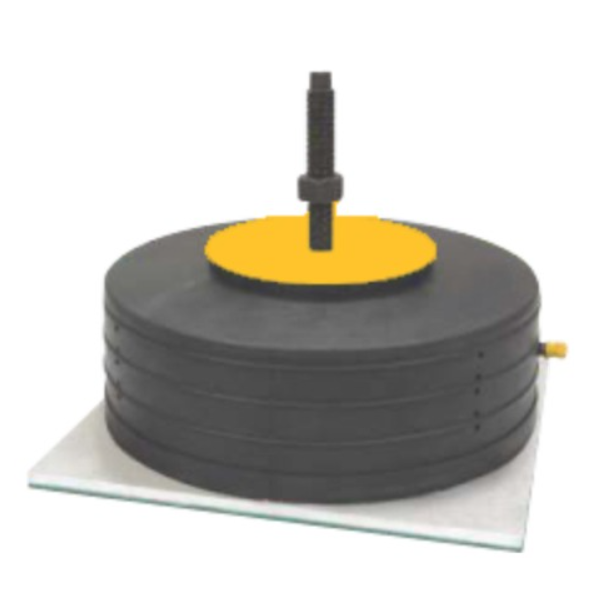
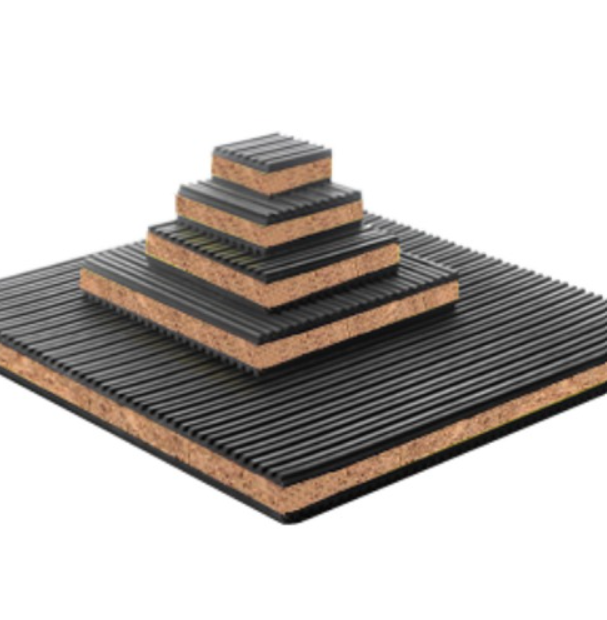
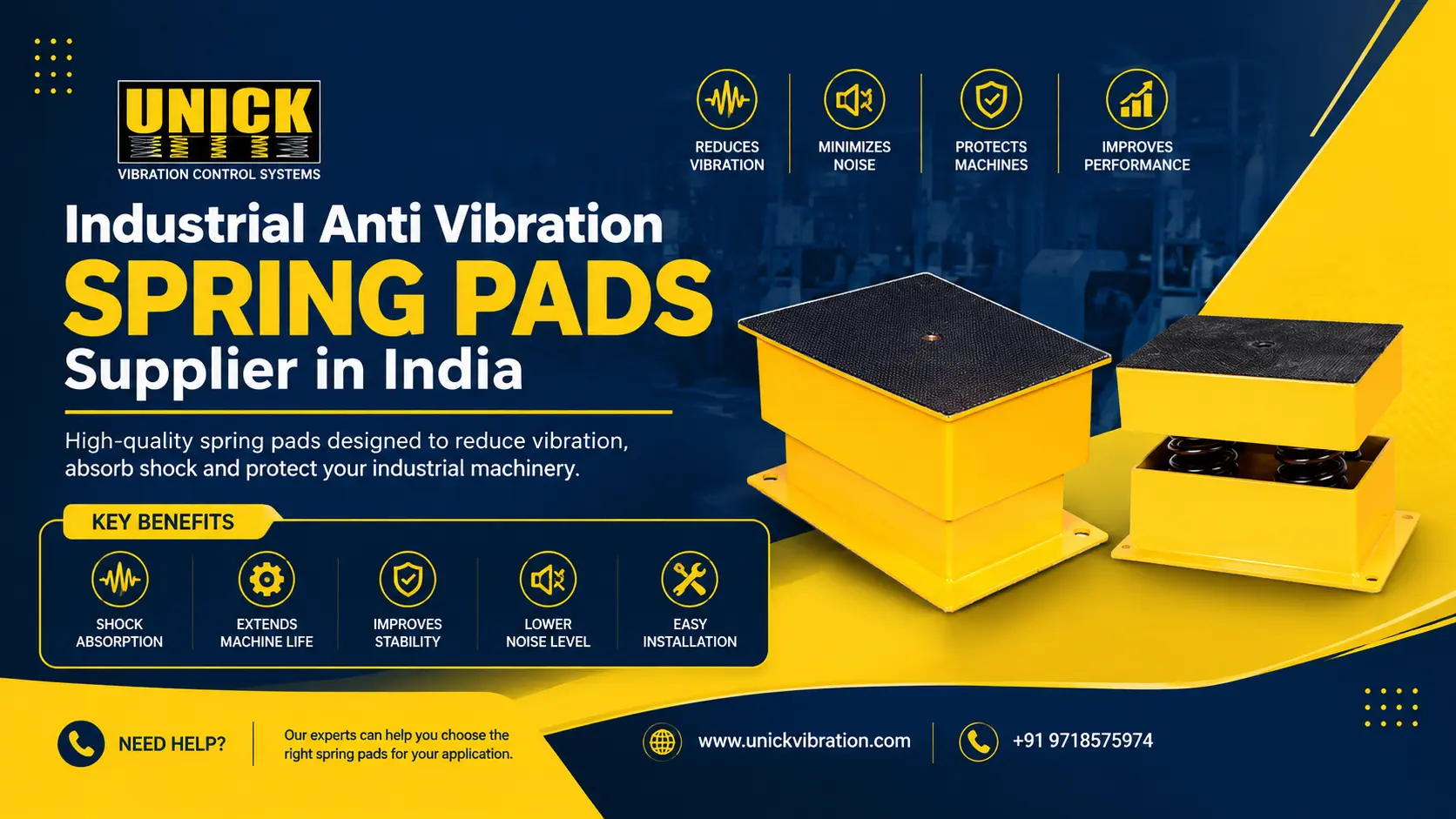
An anti-vibration spring pad normally uses steel springs, damping material and a supporting base. The spring compresses under the machine load and allows controlled movement rather than passing the full vibration force directly into the floor.
The effectiveness of the pad depends on the relationship between the machine’s operating frequency and the natural frequency of the isolation system. Better isolation is generally achieved when the natural frequency of the spring mounting is sufficiently lower than the disturbing frequency produced by the machine.
The damping component also plays an important role. Springs can store and release energy, which may cause excessive movement during machine start-up, shutdown or resonance. A suitable damping arrangement helps control this motion and allows the equipment to settle more quickly.
Industrial Anti Vibration Spring Pads Supplier in India
A supplier should understand the machine application before recommending a particular model. Two machines with similar weights may still require different pads because their operating speeds, vibration forces and weight distribution can differ.
Useful information to share with the supplier includes:
- Total machine weight
- Number of mounting points
- Load carried by each mounting location
- Operating and rotational speed
- Type of movement produced by the machine
- Required spring deflection
- Available installation space
- Condition of the supporting floor
- Need for levelling or anchoring
A responsible supplier should use these details to determine the required load capacity and suitable spring stiffness. Choosing a pad only by its maximum load rating may result in insufficient deflection or uneven machine support.
Common Industrial Applications
Spring vibration isolators are used where machines generate continuous low-frequency vibration or where vibration transfer must be carefully controlled. Common applications include:
HVAC Equipment
Chillers, air-handling units, cooling towers, blowers and large fans can transmit vibration through floors, walls and connected ductwork. Spring pads help separate the equipment from the building structure.
Generators and Compressors
Generators and industrial compressors can produce both vibration and structural noise. Properly selected spring mountings help reduce the amount of mechanical energy transferred to the foundation.
Pumps and Motor Assemblies
Misalignment, rotation and fluid movement can create vibration in pump systems. Spring isolation may be considered when the equipment speed, base frame and connected piping allow controlled movement.
Presses and Processing Machines
Some production machines generate repeated dynamic forces during operation. The isolation arrangement must be selected according to the force pattern, machine stability and acceptable movement.
Laboratory and Precision Equipment
Sensitive measuring instruments may be affected by vibration coming from nearby machinery, building services or foot movement. Isolation systems can help create a more stable working surface when selected for the actual vibration conditions.
Need Help Choosing Spring Pads?
Important Factors When Selecting Spring Pads
Load Capacity
The total machine weight should not simply be divided equally unless the weight is evenly distributed. Motors, gearboxes and other components can place more load on certain mounting points. Each pad should be selected for the actual load it will carry.
Spring Deflection
Deflection is the amount by which a spring compresses under load. It affects the natural frequency and isolation performance of the system. Both insufficient and excessive deflection can create performance or stability problems.
Operating Frequency
The machine speed helps determine whether spring isolation is suitable. Low-speed equipment may require a different spring arrangement from high-speed rotating machinery.
Damping Requirement
Damping helps control excessive movement when the equipment starts, stops or passes through resonance. The required damping level depends on the machine type and operating conditions.
Machine Stability
A high centre of gravity, uneven base or moving components can affect stability. The isolation system must control vibration without allowing unsafe movement or rocking.
Environmental Conditions
Exposure to oil, water, chemicals, heat, dust or outdoor weather can influence material selection. Protective coatings and suitable damping materials may be required in demanding environments.
Manufacturer and Supplier: Understanding the Difference
An Industrial Anti Vibration Spring Pads Manufacturer in India may offer standard models as well as products designed for particular load ranges, deflection requirements or installation conditions. A supplier may provide access to these products while also assisting with selection, availability and delivery.
The important point is not the label alone. Buyers should check whether the company can review technical information, explain the product’s rated capacity and recommend a suitable configuration for the application.
Installation Considerations
Even a correctly selected spring pad may not perform properly if it is installed incorrectly. The machine base should be structurally sound, and the supporting surface should be level and capable of carrying the combined load.
All mounting points should receive the intended load. Uneven compression may indicate poor weight distribution, an irregular foundation or incorrect adjustment. Connected pipes, ducts and cables should also be checked because rigid connections can create an alternative path for vibration.
After installation, the machine should be observed during start-up, normal operation and shutdown. Excessive movement, unusual noise or uneven spring compression should be investigated before continuous use.
Inspection and Maintenance
Spring pads should be inspected periodically as part of the machine maintenance schedule. The inspection can include:
- Uneven spring compression
- Loose fasteners
- Corrosion or coating damage
- Cracked or worn damping material
- Changes in machine level
- Contact between isolated and fixed components
- Increased vibration or structural noise
Maintenance requirements depend on the operating environment and machine duty. Equipment exposed to moisture, chemicals or continuous heavy loads may need more frequent inspection.
Questions to Ask Before Ordering
Before finalising a vibration isolation product, ask the following questions:
- Is the pad suitable for the machine’s actual operating frequency?
- What load range should be maintained at each mounting point?
- How much spring deflection is expected under normal load?
- Is additional damping included or required?
- Does the system provide machine levelling?
- Is anchoring necessary for this application?
- Are installation drawings or technical specifications available?
- What environmental conditions can the product withstand?
Clear answers to these questions make product comparison easier and reduce the risk of choosing an unsuitable mounting system.
Final Recommendation
Industrial spring pads should be selected from machine and site data rather than appearance or price alone. Load distribution, operating frequency, required deflection, damping and installation conditions all influence performance. For applications where these details are not readily available, a technical assessment from an experienced vibration-control company such as Unick Vibration can help identify a suitable starting solution.