Machine alignment plays an important role in the safe and efficient operation of industrial equipment. Even a small difference in machine height or uneven contact with the floor can affect performance, increase vibration, and cause premature wear. How to Resolve Machine Alignment Problems often starts with identifying whether the machine is properly supported and levelled. Levelling pads provide a practical way to create a stable base and make fine height adjustments during machine installation.
Why Do Machine Alignment Problems Occur?
Machine alignment issues can develop for several reasons. An uneven factory floor is one of the most common causes, particularly when heavy machinery is installed on surfaces that are not perfectly level. Incorrect installation, movement of the machine during operation, worn mounting components, and changes in the foundation can also affect alignment.
When the machine does not sit evenly on all its mounting points, some areas may carry more load than others. This uneven load distribution can result in excessive vibration, noise, movement, and additional stress on bearings, shafts, couplings, and other components.
Regular inspection is therefore important. Checking the machine’s level, mounting points, fasteners, and foundation condition can help identify alignment issues before they become major maintenance problems.
How Levelling Pads Help Improve Machine Alignment
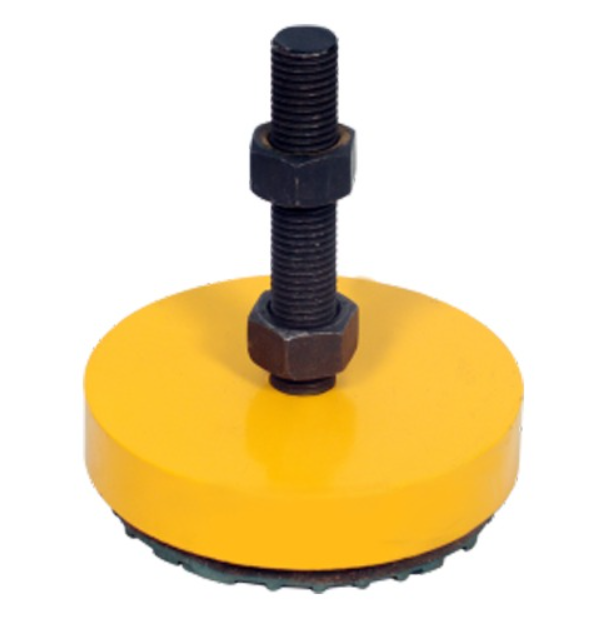
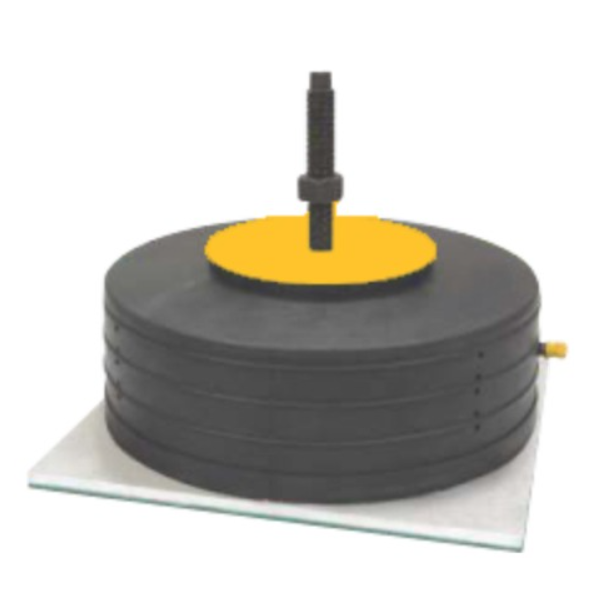
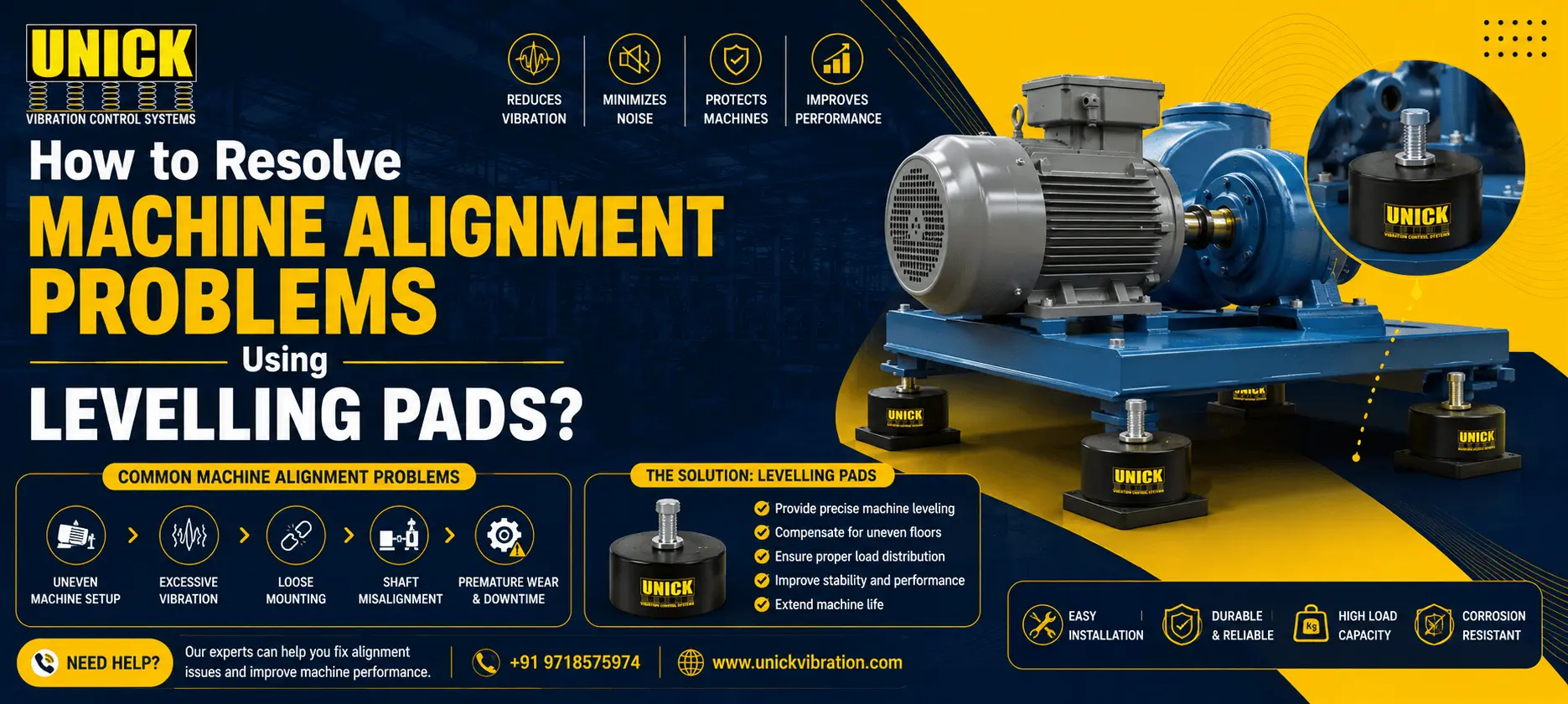
Levelling pads are designed to provide stable support beneath machine mounting points while allowing adjustments to compensate for minor differences in floor height. By positioning the machine correctly at each support point, technicians can achieve better load distribution and improve overall stability.
During installation, the machine should first be positioned on a suitable number of levelling pads. The height of individual pads can then be adjusted as required to bring the machine into the correct level. A spirit level or precision measuring equipment can be used to check the machine from different directions.
Proper adjustment is important because simply placing pads beneath a machine does not automatically correct alignment. Each mounting point needs to make firm and consistent contact with the supporting surface. Once the desired level is achieved, the mounting arrangement should be secured according to the machine manufacturer’s installation requirements.
Reducing Vibration After Alignment
Alignment and vibration control are closely connected. When machinery is not properly levelled, rotating components can experience additional stress and the machine may transfer more vibration into the floor. This can affect nearby equipment and create unwanted noise in the working area.
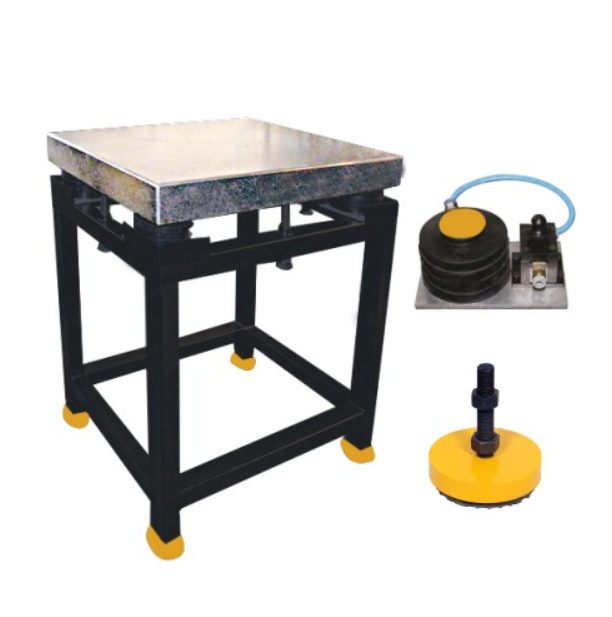
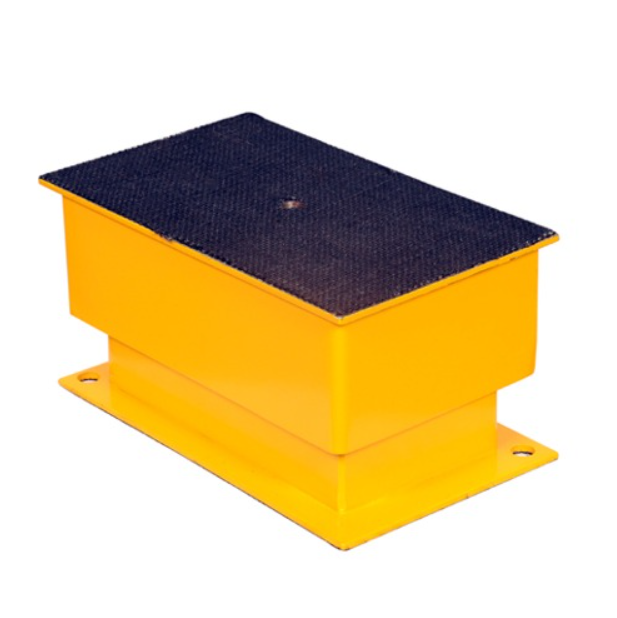
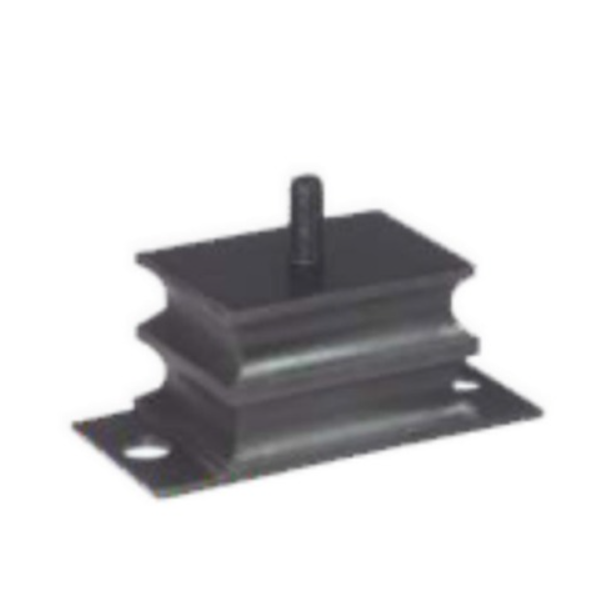
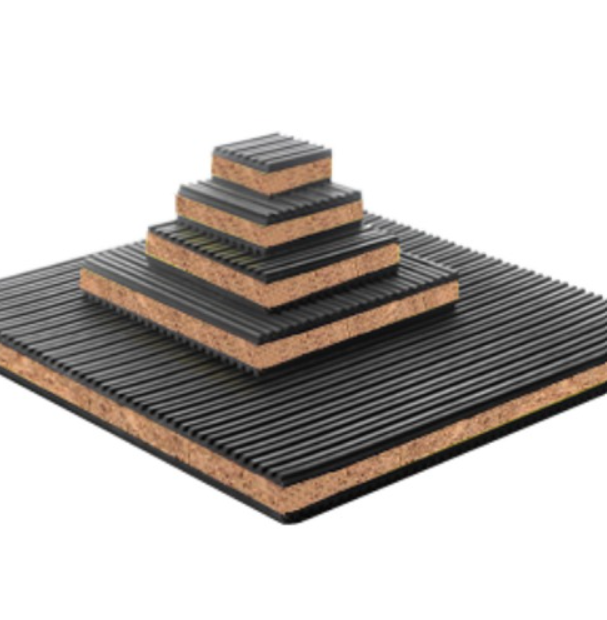
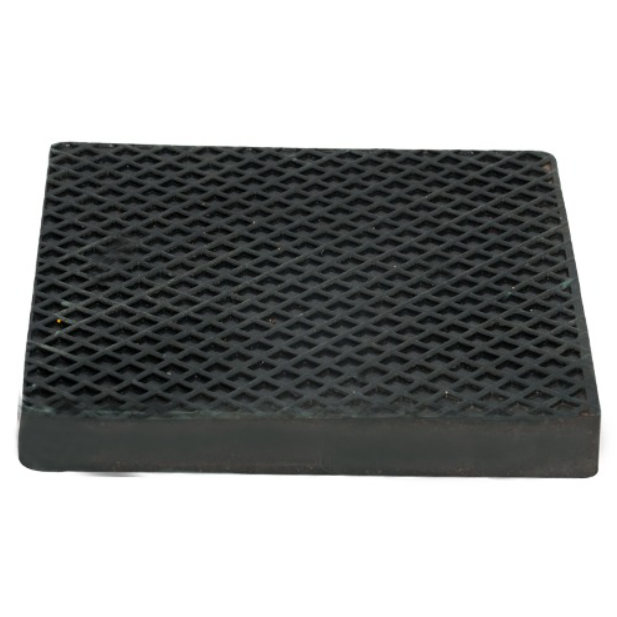
Suitable Industrial Anti Vibration Levelling Pads can provide both levelling support and vibration isolation where the application requires it. Their use can help reduce the transmission of operational vibration while maintaining stable contact between the machine and its foundation.
The correct pad should be selected according to the machine’s weight, mounting arrangement, operating conditions, and required load capacity. Using an unsuitable pad can reduce stability rather than improve it. For heavy industrial equipment, technical specifications such as load rating, material, dimensions, and deflection should be considered before installation.
Best Practices for Long-Term Machine Stability
Correct installation is only the first step. Machines should be inspected periodically because vibration, continuous loading, floor movement, and component wear can gradually affect their original alignment.
Operators should watch for signs such as unusual vibration, increased noise, movement during operation, uneven wear, or frequent coupling and bearing problems. If these symptoms appear, the mounting system and machine level should be checked.
It is also useful to keep installation measurements and maintenance records. This makes it easier to identify changes over time and determine whether adjustments are required. For demanding applications, selecting levelling pads from an experienced Heavy Duty Levelling Pads Manufacturer India can also help ensure that the product specifications match the machine’s operating requirements.
Conclusion
Machine alignment problems should not be ignored because even minor instability can gradually affect equipment performance and maintenance costs. Levelling pads provide a convenient method for compensating for uneven floors, distributing machine loads, and achieving a more stable installation.
For the best results, the pads should be selected according to the machine’s weight and operating conditions and installed with accurate level checks. Periodic inspection can then help maintain alignment throughout the machine’s service life. When choosing a levelling solution, it is sensible to consider both the machine requirements and the condition of the installation surface before making a decision.