Many industries assume that once a machine is installed and aligned, it will continue operating accurately for years. Unfortunately, this is not always true. Machines can gradually lose their alignment because of vibration, uneven load distribution, poor installation practices, foundation movement, or unsuitable mounting systems.
When alignment fails, the machine may start producing inaccurate components, create excessive vibration, increase maintenance costs, and reduce production efficiency.
The good news is that most alignment problems can be prevented by identifying the root cause and using the correct machine support and industrial vibration pads for machinery in India.
Why does machine alignment fail after installation?
Machine alignment usually fails because of continuous vibration, improper machine levelling, weak foundations, uneven load distribution, worn mounting systems, or incorrect installation practices. These issues can reduce machining accuracy, increase component wear, and shorten equipment life. Using properly engineered machine mounting solutions helps maintain alignment and improve long-term machine stability.
What is Machine Alignment?
Machine alignment means positioning industrial equipment correctly so that it operates smoothly, accurately, and without unnecessary stress.
Proper alignment ensures that the machine remains stable during operation and maintains production quality over time.
Even a small alignment error can affect productivity and increase operating costs.
Why Proper Machine Alignment Matters
Correct machine alignment offers several long-term advantages.
Benefits
- Better production accuracy
- Improved machine stability
- Reduced vibration
- Longer component life
- Lower maintenance costs
- Better product quality
- Increased operational efficiency
- Improved workplace safety
7 Common Reasons Machine Alignment Fails
1. Improper Machine Installation
If the machine is not installed correctly during commissioning, alignment problems begin immediately.
Common Issues
- Uneven positioning
- Incorrect tightening
- Poor load distribution
2. Continuous Machine Vibration
Continuous vibration slowly shifts the machine position over time.
Effects
- Machine movement
- Loss of precision
- Higher maintenance
3. Uneven Factory Floor
A weak or uneven floor cannot properly support heavy machinery.
Problems
- Machine settlement
- Uneven loading
- Stability issues
4. Poor Machine Levelling
Improper levelling places unnecessary stress on the machine frame.
This affects machining accuracy and increases vibration.
5. Worn-Out Machine Mounts
Machine mounts naturally wear after years of operation.
Signs include:
- Excessive vibration
- Visible movement
- Increased noise
- Frequent realignment
6. Dynamic Production Loads
Heavy production cycles generate continuous forces that slowly change machine positioning.
7. Lack of Proper Vibration Isolation
Machines installed directly on concrete floors often transfer vibration into the foundation, affecting long-term alignment.
Warning Signs Your Machine Has Lost Alignment
Watch for these symptoms before they become expensive problems.
Common Signs
- Machine vibration increasing
- Poor product quality
- Surface finish issues
- Increased machine noise
- Frequent maintenance
- Machine movement
- Faster tool wear
- Higher rejection rates
- Inconsistent production
How to Prevent Machine Alignment Problems
Most alignment failures are preventable.
Best Practices
Install the Machine Correctly
Professional installation creates a strong foundation for long-term performance.
Ensure Proper Machine Levelling
Accurate levelling keeps the machine stable throughout production.
Use the Right Mounting Solution
Selecting the correct mounting system improves stability and reduces vibration.
Inspect Machine Mounts Regularly
Replace worn mounts before they begin affecting machine performance.
Perform Periodic Alignment Checks
Routine inspections help detect small problems before they become major failures.
Which Mounting Solution Helps Maintain Machine Alignment?
One of the biggest reasons for alignment failure is using an unsuitable mounting system.
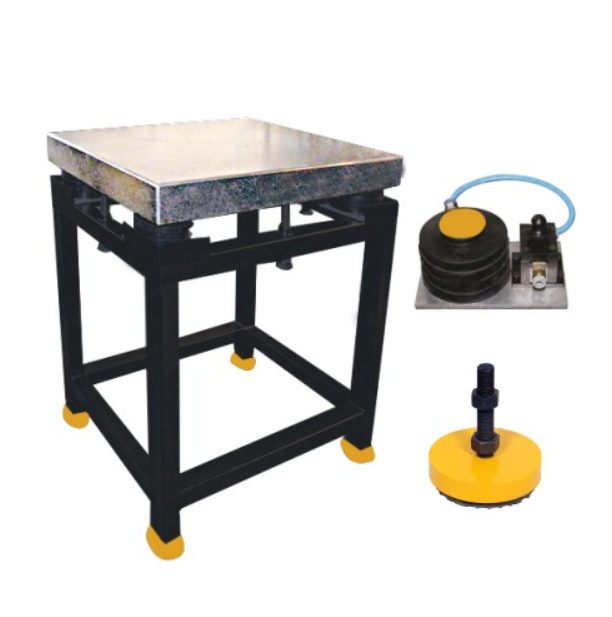
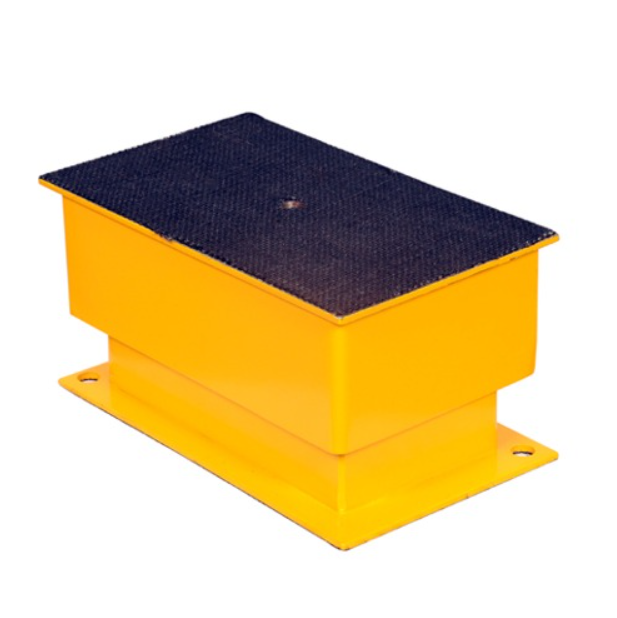
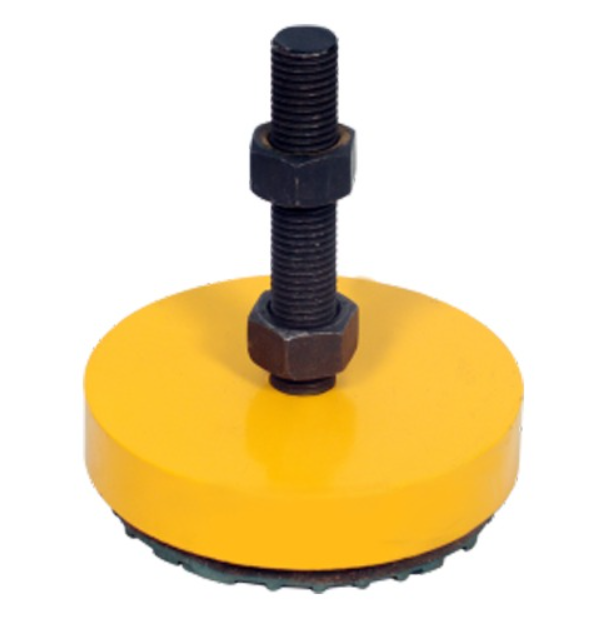
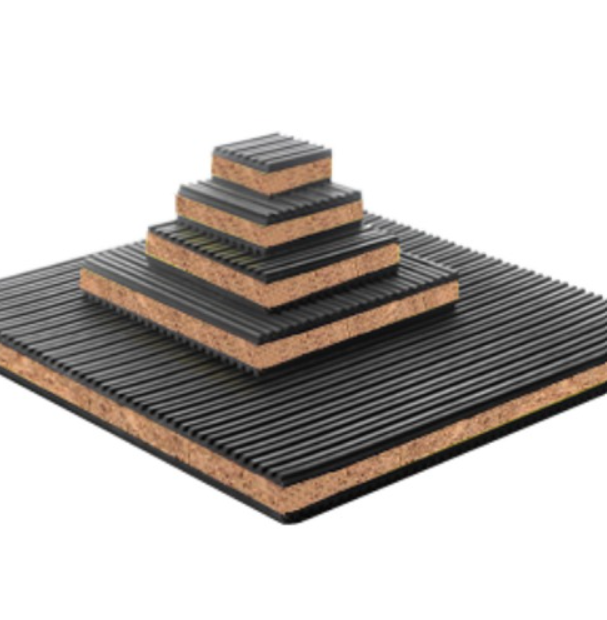
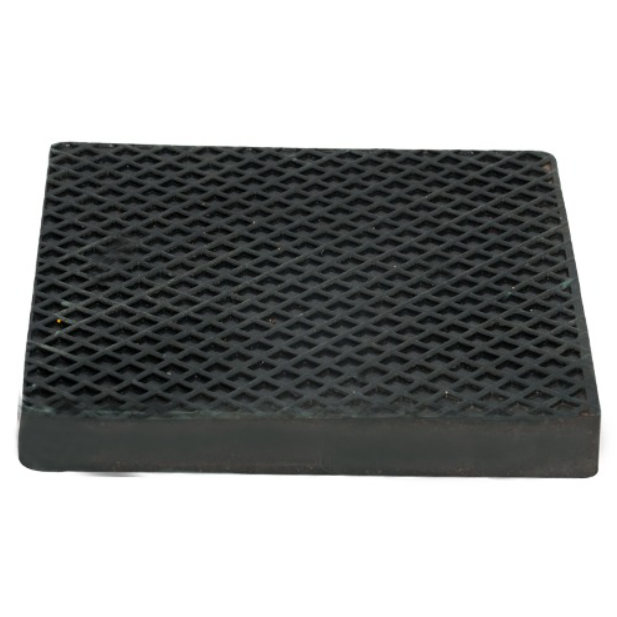
Properly engineered wedge mount pads provide the following:
Benefits
- Excellent machine stability
- Accurate machine levelling
- Better load distribution
- Reduced vibration
- Long-term alignment retention
- Lower maintenance requirements
Choosing the correct mounting solution with wedge mount manufacturer in India helps machines remain aligned for years under normal operating conditions.
What Happens If Alignment Problems Are Ignored?
Ignoring alignment issues often leads to expensive downtime.
Possible Consequences
- Reduced production quality
- Increased maintenance costs
- Frequent breakdowns
- Higher energy consumption
- Premature component failure
- Reduced equipment life
- Increased production losses
Early correction is always more economical than major repairs.
Expert Tips to Maintain Long-Term Machine Alignment
Best Practices
- Inspect mounting systems regularly.
- Monitor vibration levels.
- Check foundation condition.
- Verify machine levelling during maintenance.
- Replace worn mounting components on time.
- Train operators to identify early warning signs.
Why Industries Choose Unick Vibration Control Systems
Machine alignment is not only about installation; it also depends on using reliable mounting and vibration control solutions.
At Unick Vibration, we manufacture engineered vibration isolation and machine mounting solutions that help industries maintain long-term machine stability, reduce vibration, and improve operational efficiency.
Our technical team helps customers choose the right mounting solution based on machine weight, installation conditions, and operational requirements.
Conclusion
Machine alignment problems rarely happen overnight. They usually develop gradually due to vibration, improper levelling, unsuitable mounting systems, and foundation-related issues.
By identifying these causes early and selecting the correct engineered mounting solution, industries can reduce maintenance costs, improve production accuracy, and significantly extend equipment life.
Proper alignment is not just about installation; it is an investment in long-term productivity and machine reliability.